

Much historical analysis is either about 'recorded time,' i.e., history as evidenced in texts and other inscriptions, or about 'end time,' e.g., Edenic begin…
The Daily Planet #119: On Deep Time - The Daily Planet
The Daily Planet #123: Deep Time Impermanence - The Daily Planet
The Daily Planet #122: More on Deep Time - The Daily Planet
The Daily Planet #121: Timefulness - The Daily Planet
Planetary Sapience & Planetary Stupidity: a Bildungsroman for the Baby Noosphere | Antikythera
That is, the faculty of recollection and foresight? Until recently, I would argue, our planet was amnesiac. That is, no part of it was reflectively aware of the place of the present relative to the established past nor the expected future. But then peculiar animals emerged, capable—no matter how imperfectly—of cooperation, abstraction and invention. In the last blink of geologic time, through the collaboration of these animals with their increasingly cunning artifacts, this state of planetary amnesia has faltering begun being cured. That is, through our artifacts, our planet is becoming aware of its own unfolding biography. In our fallible attempts to model our world—alongside our growing legion of sensors—The Earth system has developed a way of recollecting its deepest past and tracking the changing complexities of its present so as to forecast its furthest future.


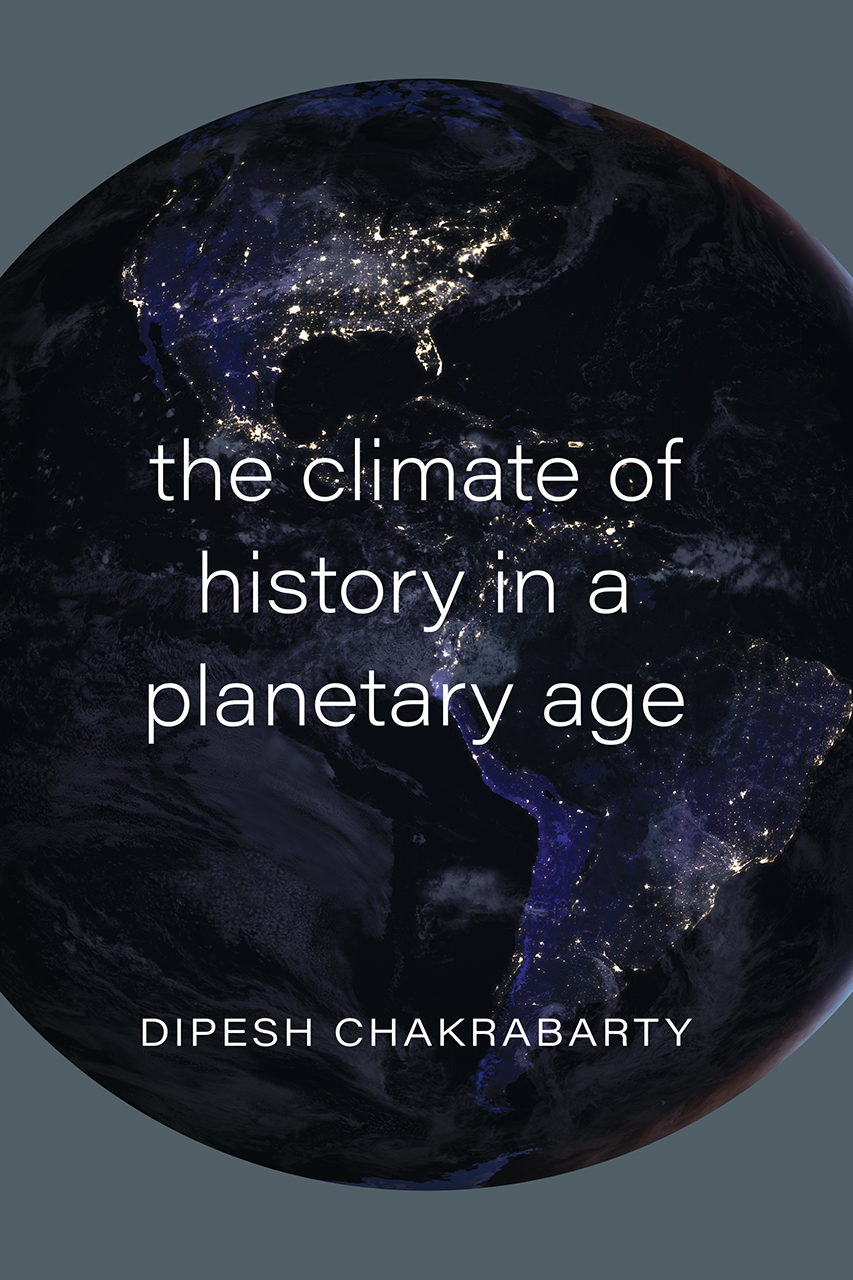
The Climate of History in a Planetary Age
For the past decade, historian Dipesh Chakrabarty has been one of the most influential scholars addressing the meaning of climate change. Climate change, he argues, upends long-standing ideas of history, modernity, and globalization. The burden of The Climate of History in a Planetary Age is to grapple with what this means and to confront humanities scholars with ideas they have been reluctant to reconsider—from the changed nature of human agency to a new acceptance of universals. Chakrabarty argues that we must see ourselves from two perspectives at once: the planetary and the global. This distinction is central to Chakrabarty’s work—the globe is a human-centric construction, while a planetary perspective intentionally decenters the human. Featuring wide-ranging excursions into historical and philosophical literatures, The Climate of History in a Planetary Age boldly considers how to frame the human condition in troubled times. As we open ourselves to the implications of the Anthropocene, few writers are as likely as Chakrabarty to shape our understanding of the best way forward.
Planetary Lexicon: Key Terms in Earth System Science
Define 90+ terms in planetary science — from Anthropocene and tipping points to planetary boundaries and the ecosphere.
The Daily Planet #125 - The Daily Planet
1177 BC: The Year Civilization Collapsed (Eric Cline, PhD)
The Daily Planet #118: On Contradiction - The Daily Planet
The Fifth Cycle of Humanity
Thinking together
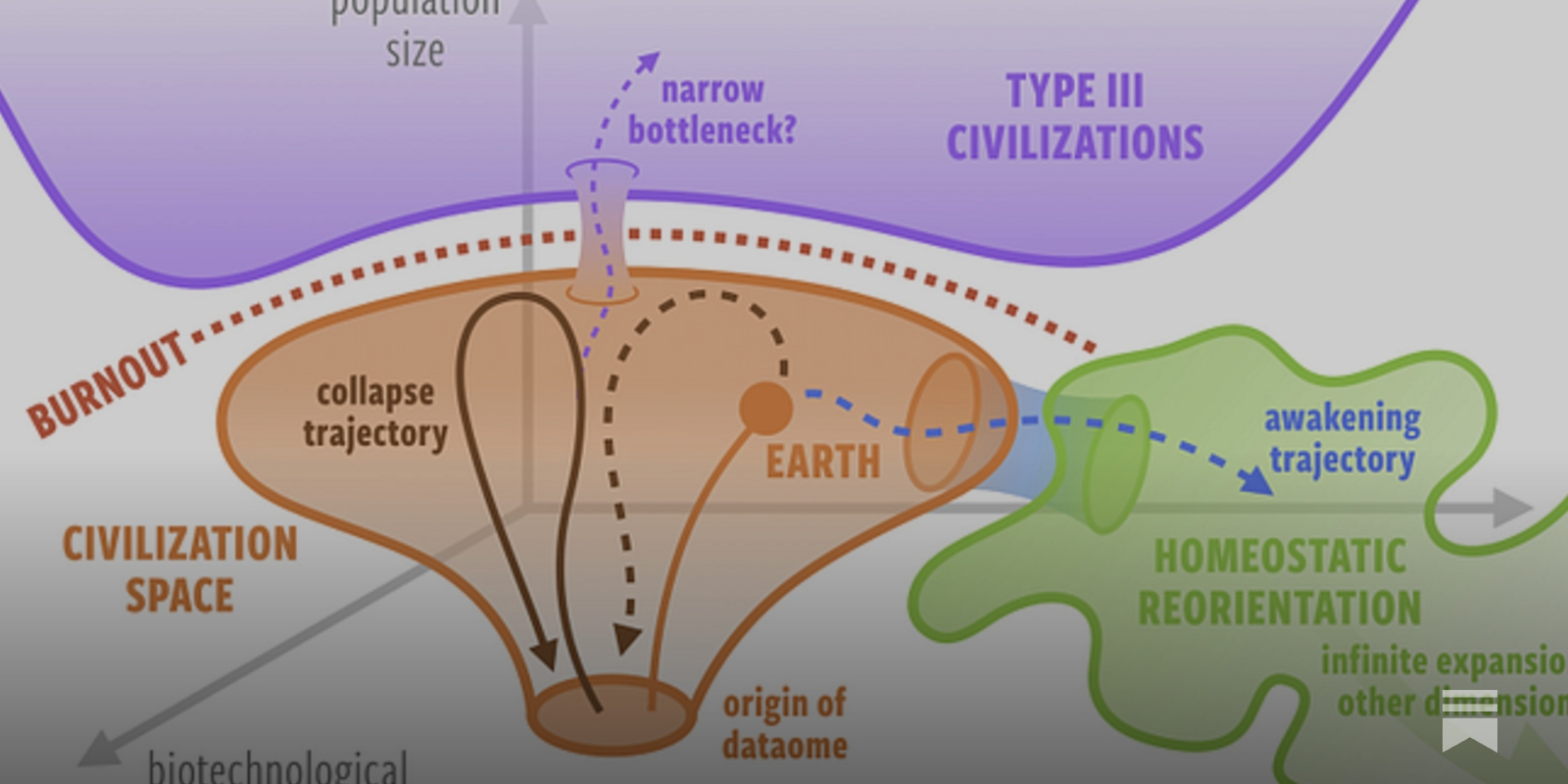
While analyzing a global history databank spanning 10,000 years, Shin, et al found a disconcerting pattern. Civilizations scale until they are overwhelmed by the information environment they create. This is The Information Scaling Threshold.
NASA Didn't Even Know!!
The Great Reckoning - The Ideas Letter
The world feels unsettled, as if history itself were changing tempo. The familiar landmarks of the modern age are blurring, slipping away, and the stories we once told ourselves about…
The Great Reckoning - The Ideas Letter
The world feels unsettled, as if history itself were changing tempo. The familiar landmarks of the modern age are blurring, slipping away, and the stories we once told ourselves about…