From Frederic Hanusch's "The Politics of Deep Time": How societies know about and perceive time on the one side, and how they are organized and govern thems…
The Daily Planet #120: Deep Time Continued - The Daily Planet
The Daily Planet #122: More on Deep Time - The Daily Planet
The Daily Planet #119: On Deep Time - The Daily Planet
The Daily Planet #121: Timefulness - The Daily Planet

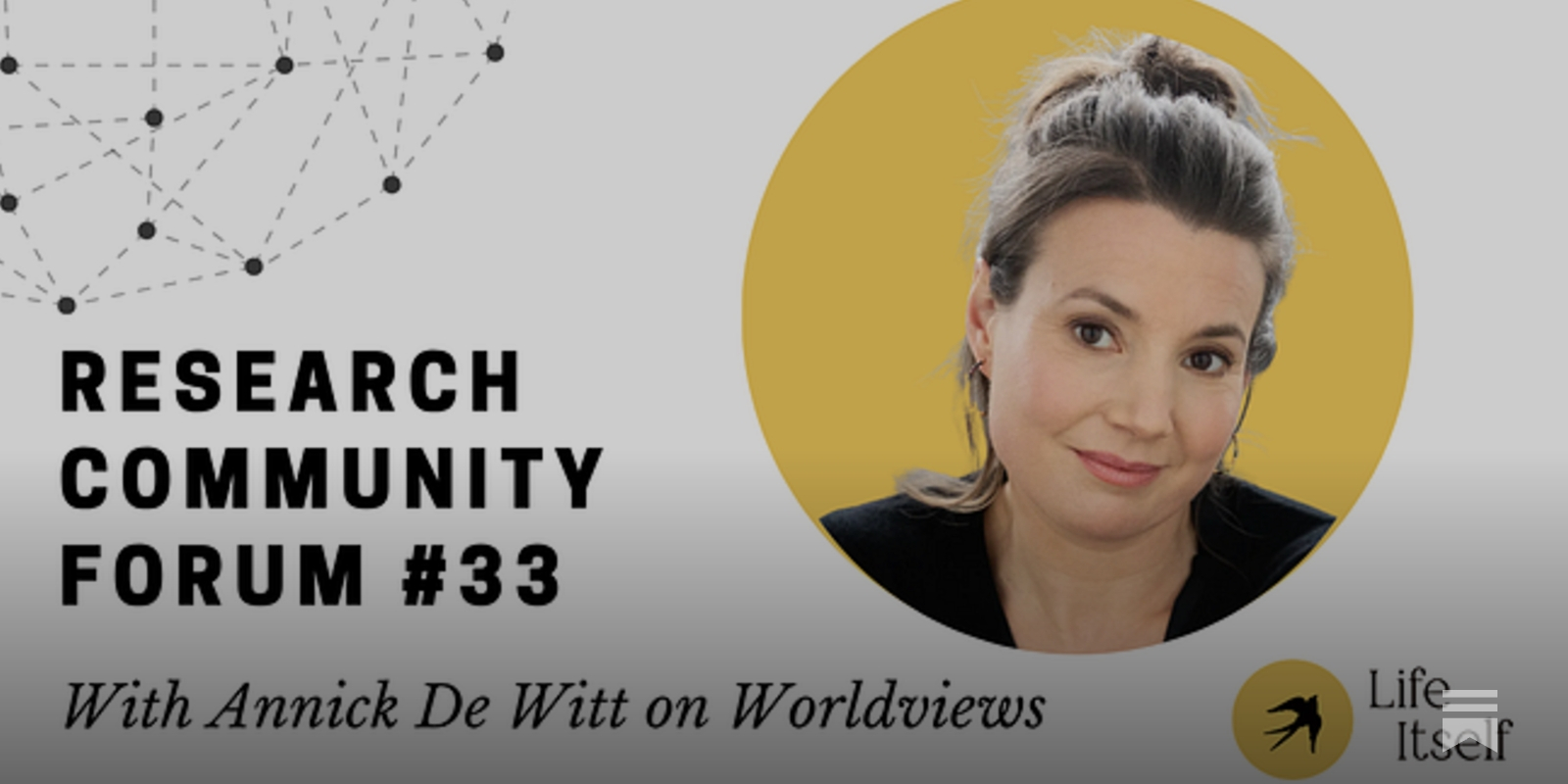
Annick de Witt on Worldview Theory in a Time Between Worlds
Join us for the Life Itself Research Community Call#33. Annick de Witt discusses how her research on worldviews helps us respond to our current period of global societal transition.
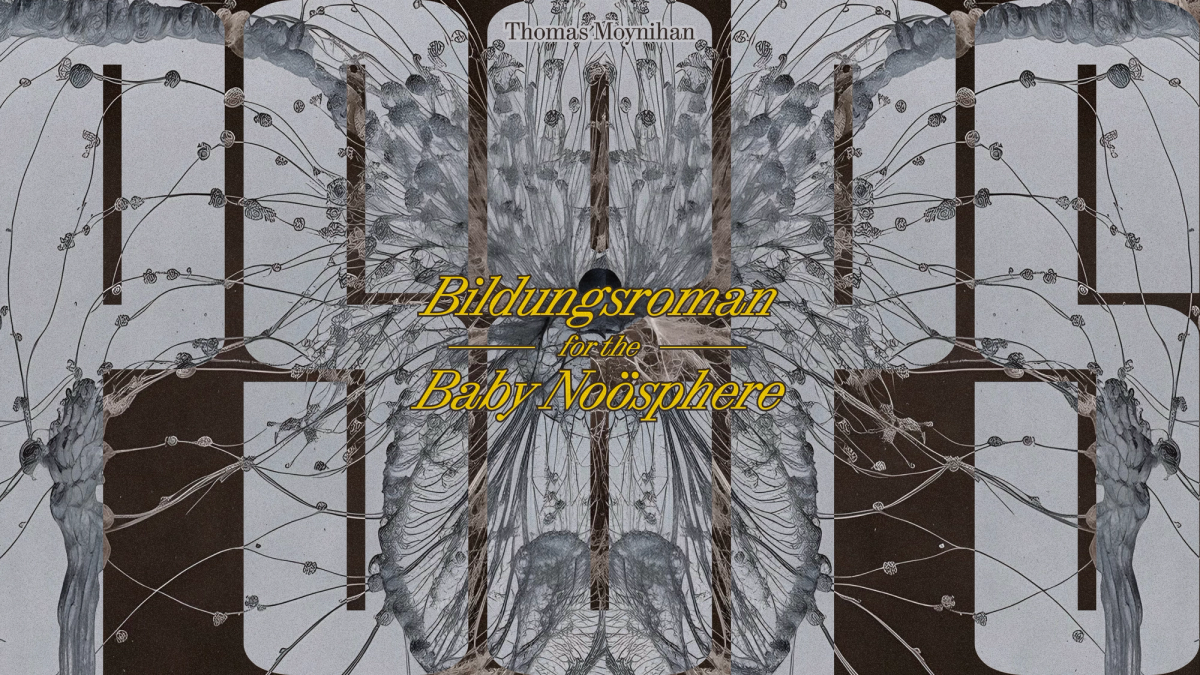
Planetary Sapience & Planetary Stupidity: a Bildungsroman for the Baby Noosphere | Antikythera
That is, the faculty of recollection and foresight? Until recently, I would argue, our planet was amnesiac. That is, no part of it was reflectively aware of the place of the present relative to the established past nor the expected future. But then peculiar animals emerged, capable—no matter how imperfectly—of cooperation, abstraction and invention. In the last blink of geologic time, through the collaboration of these animals with their increasingly cunning artifacts, this state of planetary amnesia has faltering begun being cured. That is, through our artifacts, our planet is becoming aware of its own unfolding biography. In our fallible attempts to model our world—alongside our growing legion of sensors—The Earth system has developed a way of recollecting its deepest past and tracking the changing complexities of its present so as to forecast its furthest future.
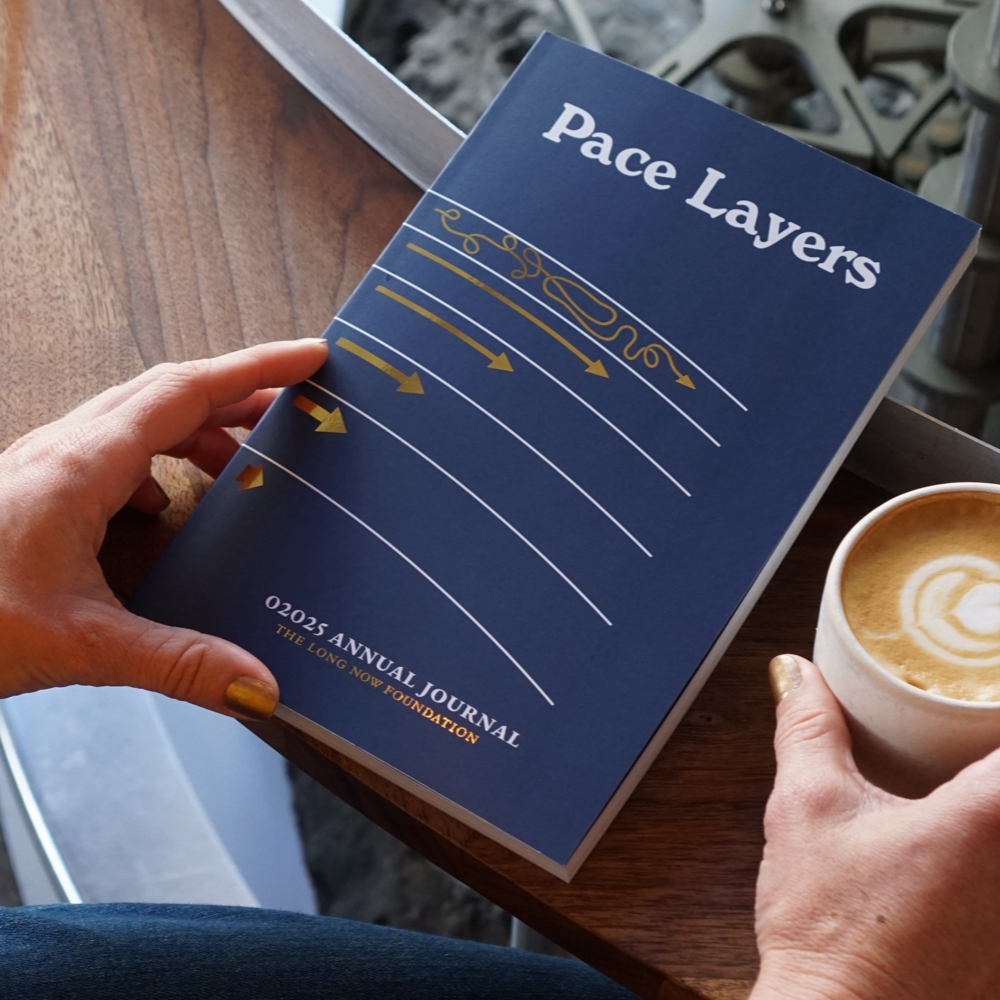
Pace Layers 02025 Annual Journal
Long Now’s annual print journal explores the ancient past and distant future of the present moment through essays, interviews, fiction, poetry, and visual art. The journal takes its name and shape from Long Now cofounder Stewart Brand’s pace layers framework — a tool for thinking about how civilizations work. [Learn more about Pace Layers](https://longnow.org/pacelayers/)
Living with two clocks
Staying with unbearable thoughts, and searching for a politics that’s equal to these times.

The Climate of History in a Planetary Age
For the past decade, historian Dipesh Chakrabarty has been one of the most influential scholars addressing the meaning of climate change. Climate change, he argues, upends long-standing ideas of history, modernity, and globalization. The burden of The Climate of History in a Planetary Age is to grapple with what this means and to confront humanities scholars with ideas they have been reluctant to reconsider—from the changed nature of human agency to a new acceptance of universals. Chakrabarty argues that we must see ourselves from two perspectives at once: the planetary and the global. This distinction is central to Chakrabarty’s work—the globe is a human-centric construction, while a planetary perspective intentionally decenters the human. Featuring wide-ranging excursions into historical and philosophical literatures, The Climate of History in a Planetary Age boldly considers how to frame the human condition in troubled times. As we open ourselves to the implications of the Anthropocene, few writers are as likely as Chakrabarty to shape our understanding of the best way forward.
Izabella Kaminska on Twitter / X
The problem of our time is not merely information overload. It is that the time required to construct a coherent understanding of reality is becoming longer than the time during which that understanding remains valid.— Izabella Kaminska (@izakaminska) October 16, 2026
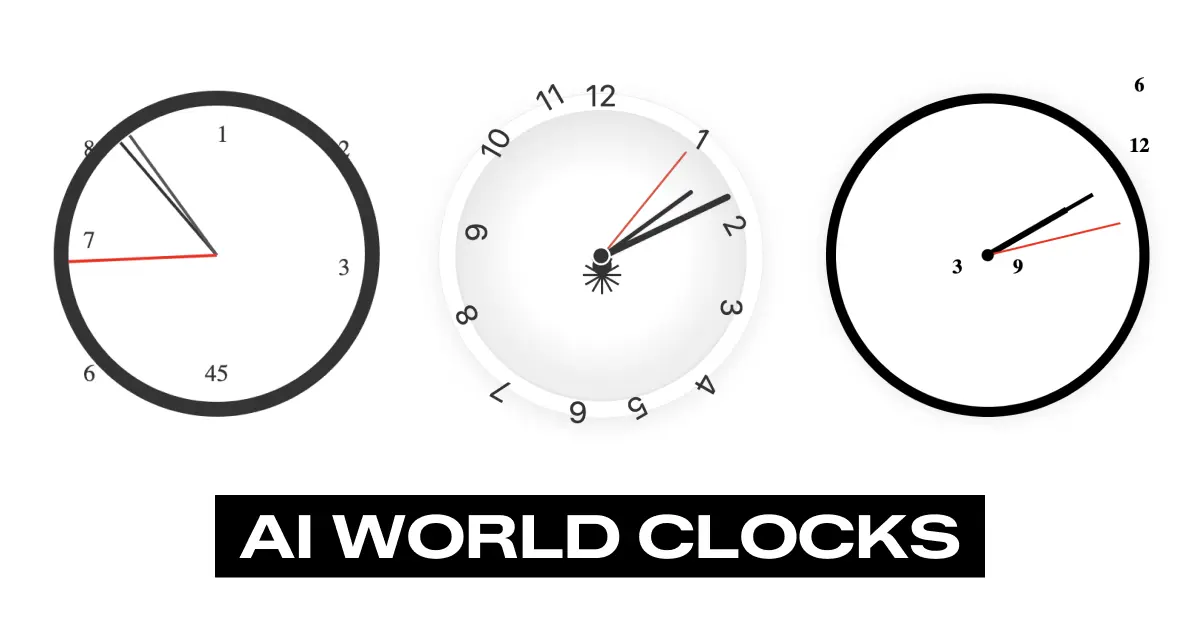
AI World Clocks
The current time as rendered by 9 different AI models. By Brian Moore.
The Daily Planet #126: A Plausible Dystopia - The Daily Planet
The Daily Planet #118: On Contradiction - The Daily Planet
After the Deluge: What Future for Climate Fiction? - Public Books
Even in a world remade, the past defines the present.

Why time management is ruining our lives | Oliver Burkeman
The Long Read: All of our efforts to be more productive backfire – and only make us feel even busier and more stressed