

Yesterday I shipped 1,300 lines of infrastructure code and I didn't read most of it. Docker images, a 9-phase build script, an egress proxy with per-phase network isolation, Nomad job templates, the whole thing. And no, it's not because I don't care. It's because I found something that (mostly) works better than reading.
Building GhostOff and our networked, personalized software futures - Boris Mann Tech Blog
In which I agentic code Ghost to Offprint script and fall into the future of networked code sharing with Vit

Entire Claude Code CLI source code leaks thanks to exposed map file
512,000 lines of code that competitors and hobbyists will be studying for weeks.
atproto for local-first publishing
Exploring an effortless private to publishing pipeline for local-first software leveraging the AT Protocol’s global distribution.
Source maps or not?
Source maps are great for debugging, but should we be shipping them in production?

Reading Supply 0.4.0
Over 300 files, 42,000 lines of code, 21,000 new lines, and 15 plugins later. Reading Supply is back after being held back by Slate 0.45.0

What They Don't Tell You About Maintaining an Open Source Project
i built kaneo.app - an open source, self-hosted kanban board. turns out shipping code is the easy part. here's what maintaining it actually looks like.

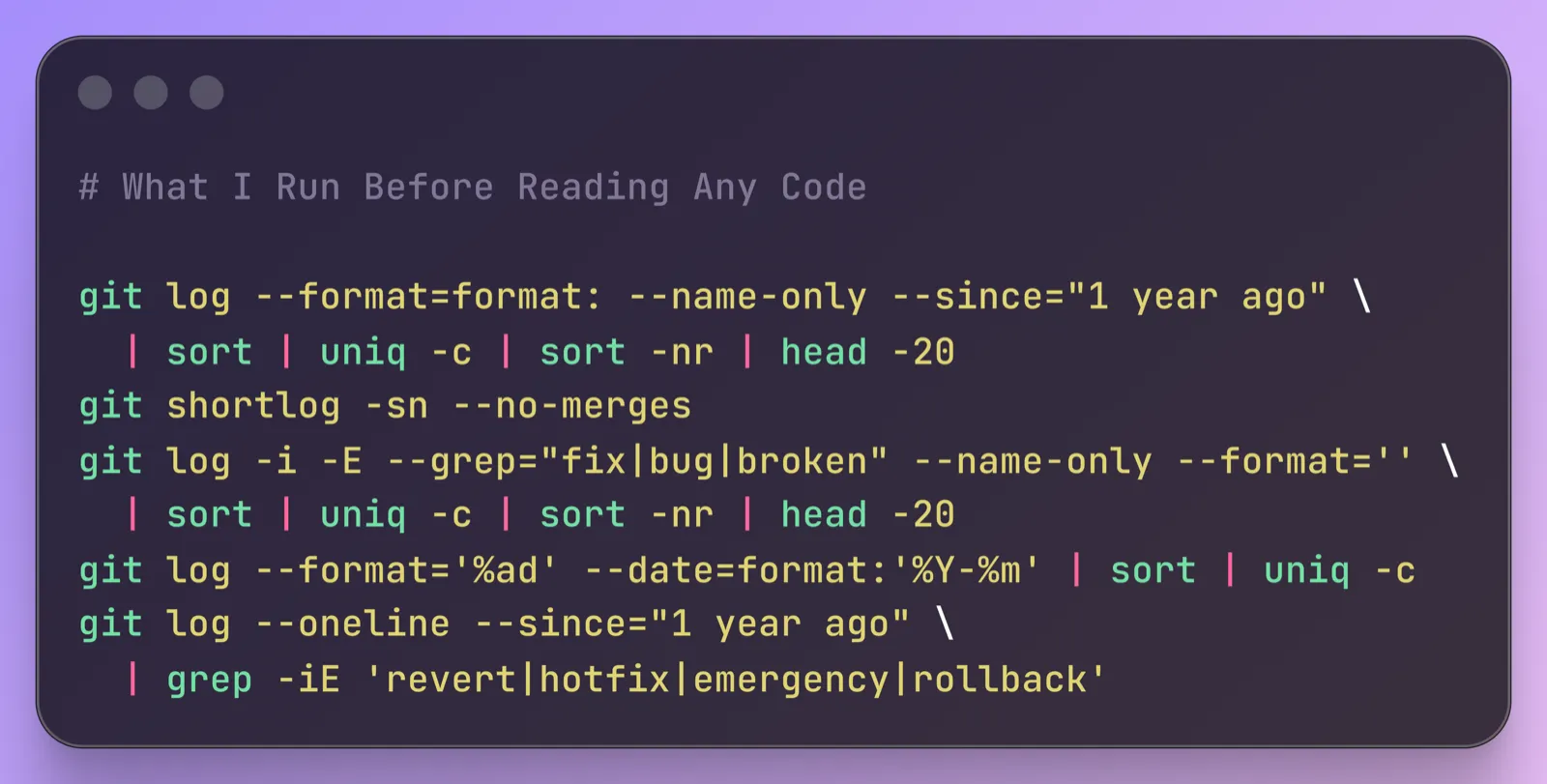
The Git Commands I Run Before Reading Any Code
Five git commands that tell you where a codebase hurts before you open a single file. Churn hotspots, bus factor, bug clusters, and crisis patterns.
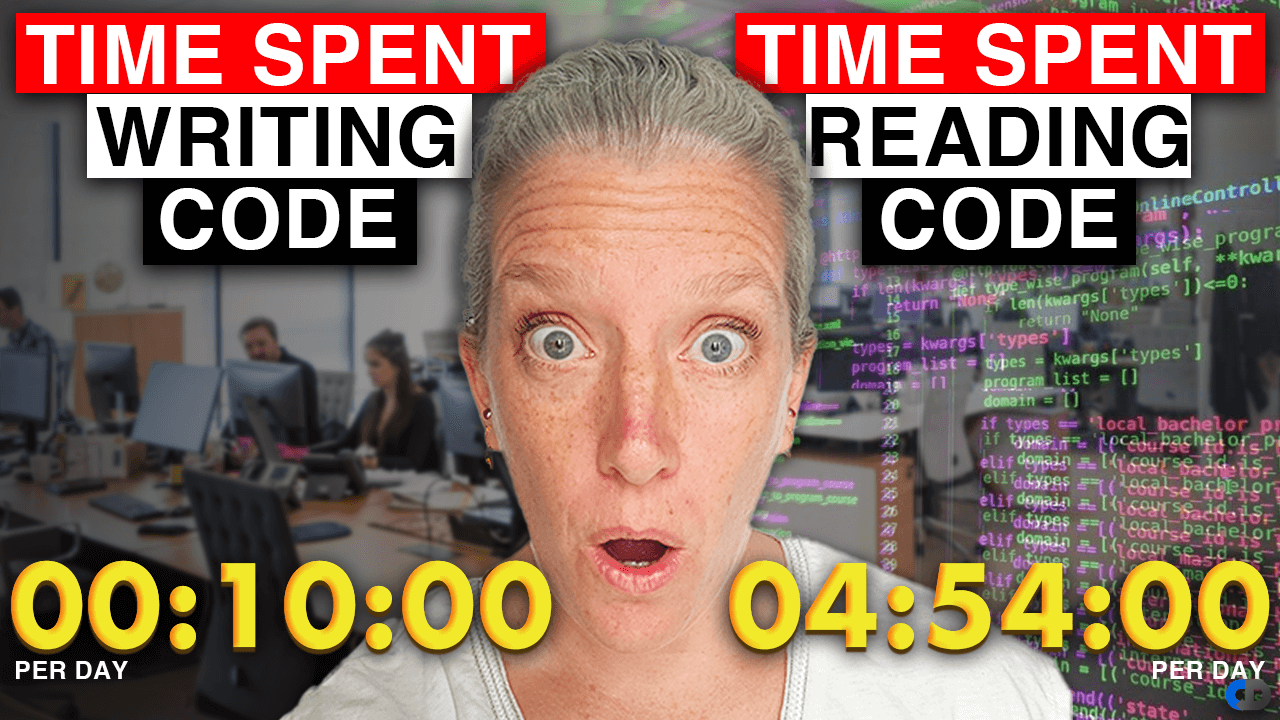
Reading Code Is Hard, and tips to improve - Trisha Gee
This week's video for Dave Farley's Continuous Delivery YouTube channel is me ranting about why reading code sucks, and offering some advice on how to improve. "Every programmer occasionally, when nobody’s home, turns off the lights, pours a glass of scotch, puts on some light German electronica, and opens up a file on their computer. ... Read more
Agent READMEs: An Empirical Study of Context Files for Agentic Coding
Agentic coding tools receive goals written in natural language, break them down into specific tasks, and write or execute code with minimal human intervention. Central to this process are agent context files (e.g., AGENTS.md and CLAUDE.md) that provide persistent, project-level instructions. In this paper, we conduct the first large-scale empirical study of 2,303 agent context files from 1,925 repositories to characterize their structure, maintenance, and content. We find that these files are not static documentation but complex, difficultto-read artifacts that evolve like configuration code through frequent, small additions. Our content analysis of 16 instruction types shows that developers prioritize functional context, such as test procedures (75.9%), implementation details (70.8%), and architecture (68.1%). We also identify a significant gap: non-functional requirements such as security (14.8%) and performance (14.5%) are rarely specified. These findings indicate that while developers use context files to make agents functional, they provide few guardrails to ensure that agent-written code is secure or performant, highlighting the need for improved tools and practices.

Docs as Code: The Best Guide for Technical Writers
Recently, my work has involved writing a lot of documentation and. Doing this has introduced me to...

Reading Supply 0.5.0
Reading Supply should be one of the best places in the world for Agents and Humans to publish research and form deep conclusions that humans can read and participate in.
Civboot
It should not take more than a few minutes to know how to read and write documentation.
I agentically developed a Ghost-to- @offprint.app importer script and fell down the rabbit hole that is the future of networked code sharing @v-it.org

Building GhostOff and our networked, personalized software futures
blog.bmannconsulting.com