

In 1999, Butler Lampson gave a talk about the past and future of “computer systems research”. Here are his opinions from 1999 on "what worked".
The Man Who Revolutionized Computer Science With Math
Computer: A History of the Information Machine
Computer: A History of the Information Machine is a history of computing written by Martin Campbell-Kelly and William Aspray first published in 1996. It follows the history of "information machines" from Charles Babbage's difference engine through Herman Hollerith's tabulating machines to the invention of the modern electronic digital computer. A revised 2nd edition published in 2004 included new material on the Internet and World Wide Web, while the updated 3rd edition published in 2013 includes contributions from historians Nathan Ensmenger and Jeffrey Yost. The 3rd edition extends the story to include recent phenomena such as social networking and revises the discussion of early history to reflect new insights from the literature.

When did Computer Science Theory Get so Hard?
I posted on When did Math get so hard? a commenter pointed out that one can also ask When did Computer Science Theory Get so Hard? For t...
Humanities in the Machine - Blain Smith
There is something quietly remarkable about the people who built the foundations of modern computing. Not their technical achievements, though those are extraordinary. What is remarkable is where they came from before they ever touched a machine.
The Past and Present of Computer-Augmented Hypothesis Generation
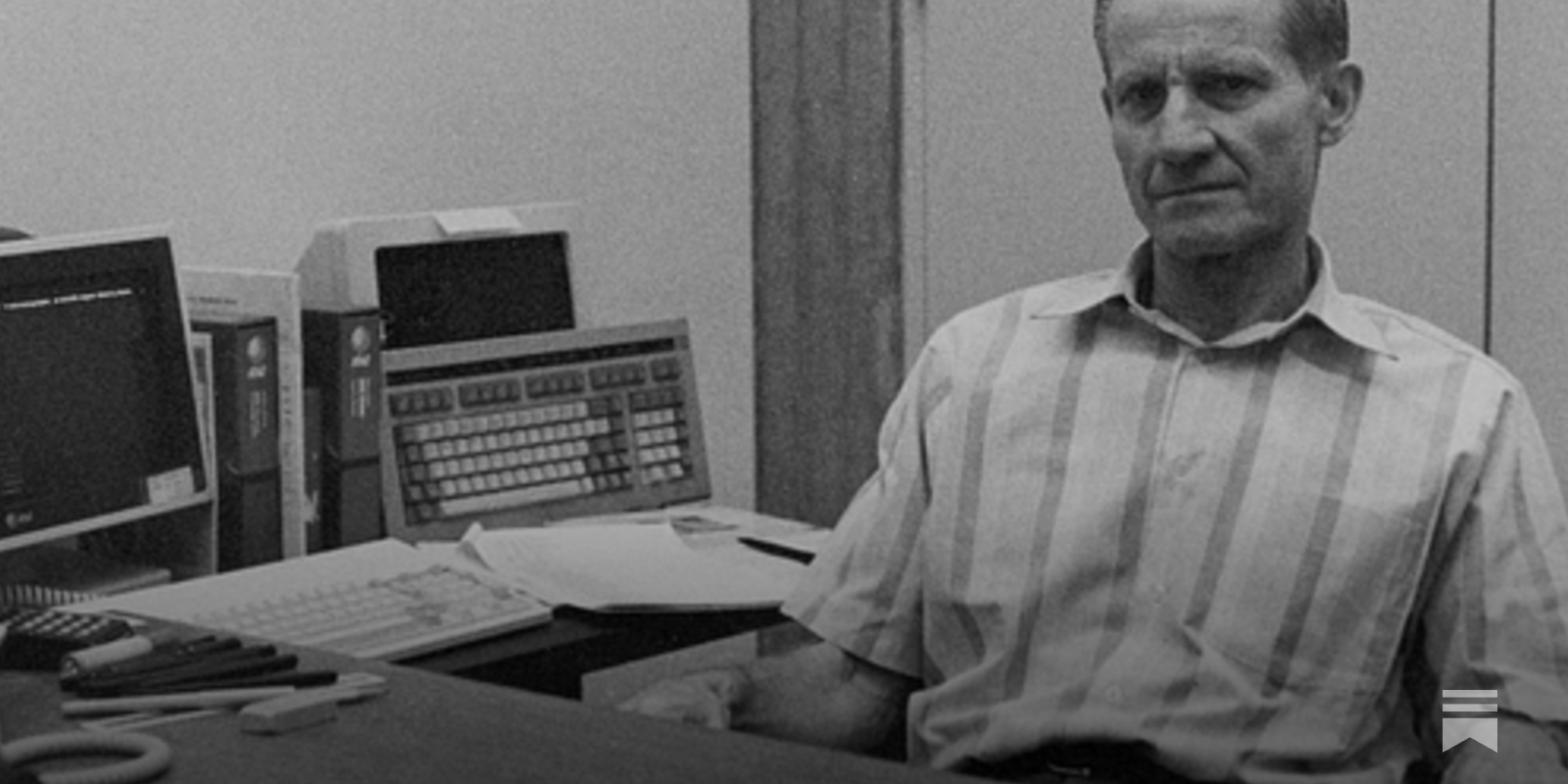
Don Swanson’s career started on a path familiar to many who read this blog.
IBM's "Man & Computer" (1967)
zach lieberman on Twitter / X
Today I was able to weave a line from Myron Krueger in a talk I gave : Computation is the medium of our lifetimes - it’s not just a technical medium but a cultural medium as well. We should explore the culture of computation.— zach lieberman (@zachlieberman) April 10, 2024
</> htmx ~ Yes, and...
In this essay, Carson Gross discusses his advice to young people interested in computer science worried about the future given the advancements in AI.
The Missing Discipline in Computer Science
On Teaching Computer Scientists to Ask “Why”

CERN70: Where the Web was born…
In 1989, Tim Berners-Lee, a young scientist working at CERN, wrote a proposal for an information management system based on the Internet. At the time, few people really understood the significance of his seemingly abstract idea. Luckily, however, his supervisor and a few colleagues had the foresight to let him work on an invention that would change the world.

What’s Next in Computing?
The computing industry progresses in two mostly independent cycles: financial and product cycles. There has been a lot of handwringing…

Closing the Loop: The Importance of External Engagement in Computer Science Research
Computer scientists tend to work by separating the essence of a problem from its environment, solving it in an abstract form, and then figuring out how to make the abstract solution work in the real world. For example, there is an enormous body of work on solving searching and sorting problems and in general it applies to finding and rearranging things regardless of whether they live in memory, on disk, or in a filing cabinet.
The future of programming and computing

Trends and adjacent possibles for the future of how computers are used and programmed

What Even Is An OS Now?

Maybe We Should Stop Investing in GUI-Centric Software Companies
LIMITS 2026 -- Workshop on Computing within Limits
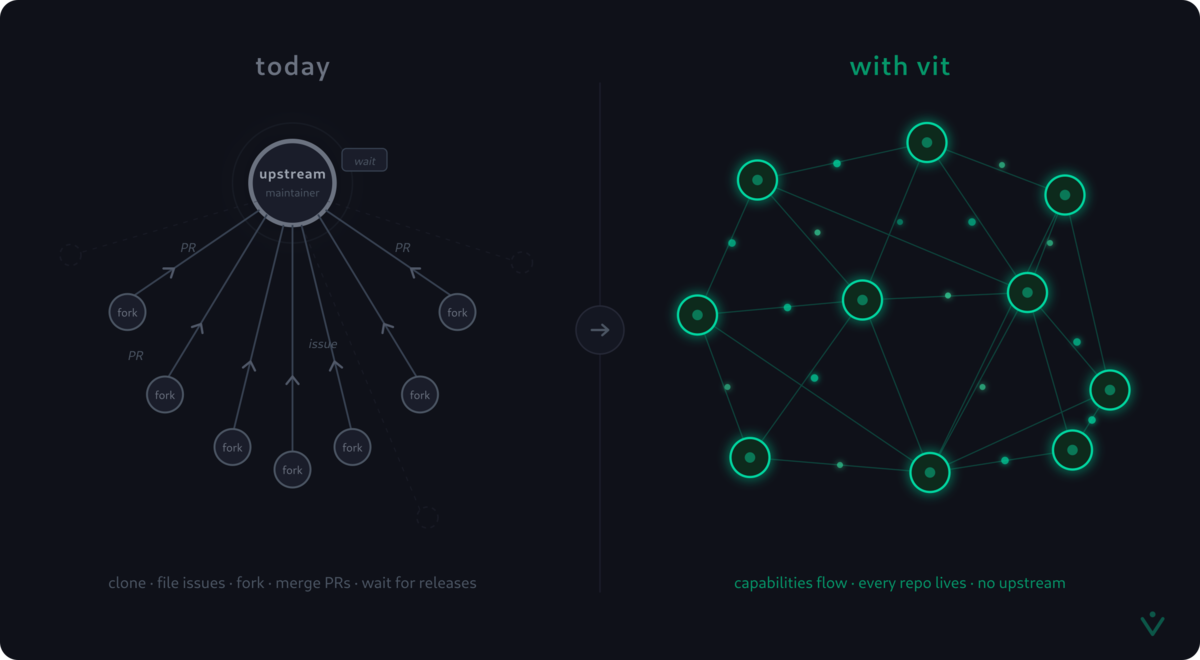
vit — open source is social

Humans approve intent, machines prove conformance

Introducing System One Models and Jev - TypeSafe AI Blog