

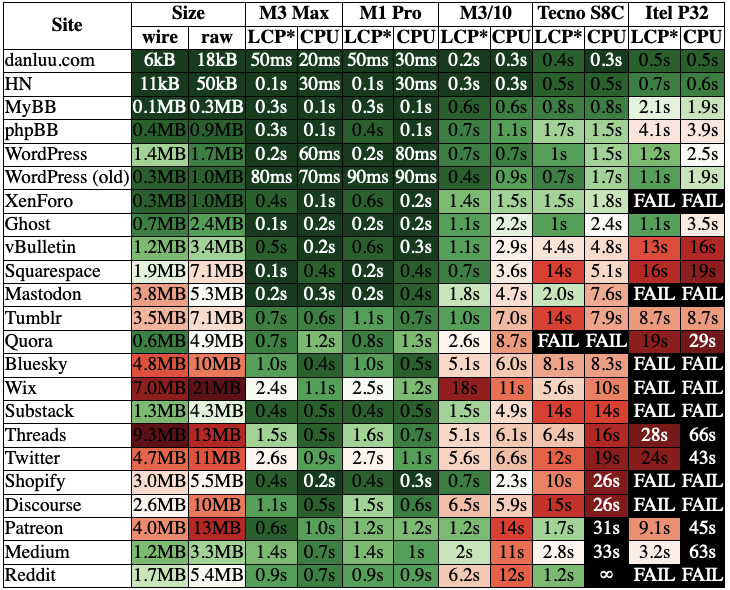
In 2017, we looked at how web bloat affects users with slow connections. Even in the U.S., many users didn't have broadband speeds, making much of the web difficult to use. It's still the case that many users don't have broadband speeds, both inside and outside of the U.S. and that much of the modern web isn't usable for people with slow internet, but the exponential increase in bandwidth (Nielsen suggests this is 50% per year for high-end connections) has outpaced web bloat for typical sites, making this less of a problem than it was in 2017, although it's still a serious problem for people with poor connections.
Should we design for iffy internet?
Around 97% of US households have internet access, but bandwidth and latency are likely worse than you expect.
Why Internet Infrastructure Decisions Rarely Stay Localized - Internet Society
Even narrow policy choices can have ripple effects that shape what people can access, how information moves, and who can participate online.

Funding The Web: From Cartel to Covenant
The Web is slow-motion collapsing for multiple reasons, but at the heart of it all is a little known system: the Search/Browser Levy. Let's fix it!

Funding The Web: A Wise Choice
The Web is slow-motion collapsing for multiple reasons, but at the heart of it all is a little known system: the Search/Browser Levy. Let's fix it!
The Zero Click Internet
The internet is undergoing the biggest change since its inception. It's huge. And there is no going back. The web is changing into the Zero Click Internet,...

ATmosphere Conf 2026: the internet built for people, not platforms
370 people in Vancouver, 500 online, all working on the same question: what does the internet look like when users own their data? Highlights from the AT Protocol community conference.

Press Release
The world's online population grew by more than 240 million people in 2025, according to Facts and Figures 2025 released today by the International Telecommunication Union (ITU). The new estimates confirm continuing progress in expanding digital connectivity, while pointing to differences in quality that impact how users benefit from Internet use.

A better web
The web as it is today is, by design, ridden with hostility. The problems faced by its users fall into three main categories: ownership of identity, ownership of data, and surveillance capitalism. Websites want to own the identity of their users. This results in compromising either the convenience by having to log in to every site separately – or security and privacy, by outsourcing identity control to other third-party sites (“Would you like to log in with your Google or Facebook account?”), thus disclosing movements throughout the internet.
You're Gonna Need A Bigger Browser
Browsers are hugely load-bearing in the Web's architecture, and yet they haven't changed very much in quite a while. If the Web is indeed for user agency, we should take a hard look at our user agents to see if they might not need improvement.

Would you pay $30 a month for a faster web browser that eats less battery?
The Mighty web browser is an old idea that’s new again

Dare Obasanjo (@carnage4life@mas.to)
The decline of the advertising supported internet is inevitable yet sad. Tech has been unique in being an equalizer. A poor Nigerian kid, a techie in the US or Jeff Bezos all used the same apps and websites. Now many charge $5-$15 per month creating a huge financial divide. Online advertising is a progressive form of taxation as the rich, mostly US-based consumers who buy goods & services from ads subsidized the internet for everyone else. We now live in the flat tax version of the internet.
Are We Decentralized Yet?
Statistics on how concentrated user accounts and data are across the Fediverse, the Atmosphere, web hosting, email, and other Internet infrastructure.
Gender Gap
Progress in closing the gender gap in mobile internet adoption across low- and middle-income countries (LMICs) has stalled. While more women are using mobile internet than ever before, their rate of adoption has slowed in the past year and women are now 14% less likely than men to use it. This equates to 235 million […]

The Browser's Main Thread Is Expensive | kciter.so
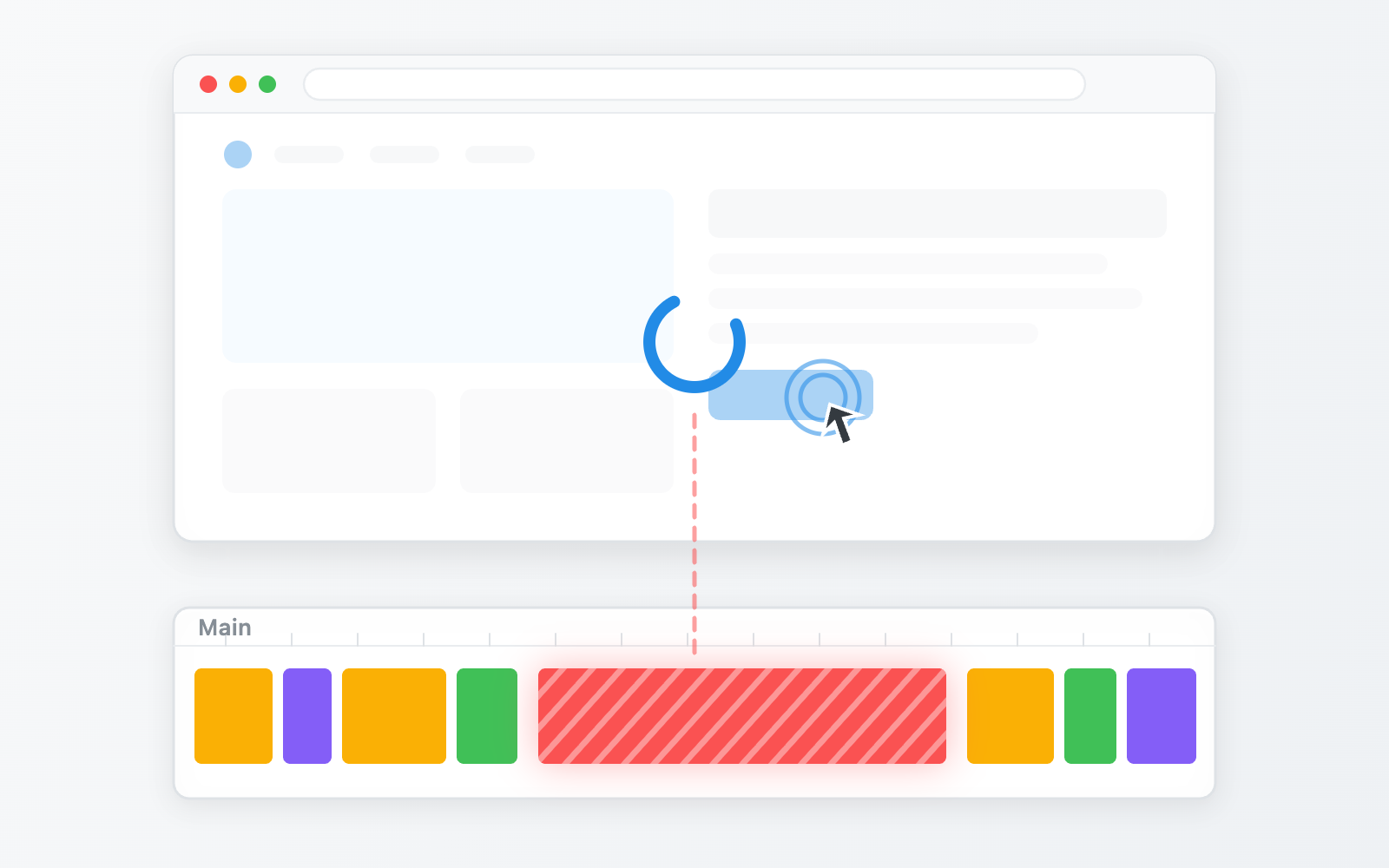
What comes to mind when you hear "frontend optimization"? For most of us it's things like reducing network requests, shrinking the bundle,…
I wonder if atmospheric websites (websites were most or all of their content is natively stored on the AT protocol) would alleviate this because there are so many places to get the content that aren’t just the website

Kuba Suder 🇵🇱🇺🇦
If you run a blog, website, other publicly readable web thing: do you have any kind of noticeable LLM scraper bots problem (i.e. ongoing huge number of bot requests that you have to fight with)? If you do, what is it that you run and that they're requesting (and how are you defending)?
