I've spent many hours since the election reading about the Ku Klux Klan in the 1920s. It started the day after election day when I had hours to kill in the lobby of a Hampton Inn, waiting for a room to open up. I loaded a library archive page up on my phone, and read newspapers from a hundred years ago about the KKK and how powerful they were in the '20s.
KKK attempts ‘Knights Party’ rebrand while maintaining white nationalist beliefs
Ku Klux Klan rebrand, putting family and faith at the center of the group’s message as it claims growing support before the midterms.

‘We’re Kind of a Voice’: KKK Leader Claims White Nationalist Movement Is Growing Ahead of 2026 Midterms, But Says Black People Still Aren’t Welcome
A longtime Ku Klux Klan leader says interest in the white nationalist movement is increasing ahead of the 2026 midterm elections. Thomas Robb, who leads

MAGA Newspaper Owner’s AI Bot Defends KKK
An AI-generated summary tried to offer “different views” on the hate group.
Fall of Assad: The end of the PKK?
This report examines the possible consequences of Assad’s fall on the PKK and the broader Kurdish movement in the region.

The weird time Nazis made common cause with black nationalists
The black nationalist Nation of Islam and the American Nazi Party didn't have a lot in common, but they did believe in staying as far away from each other's race as…
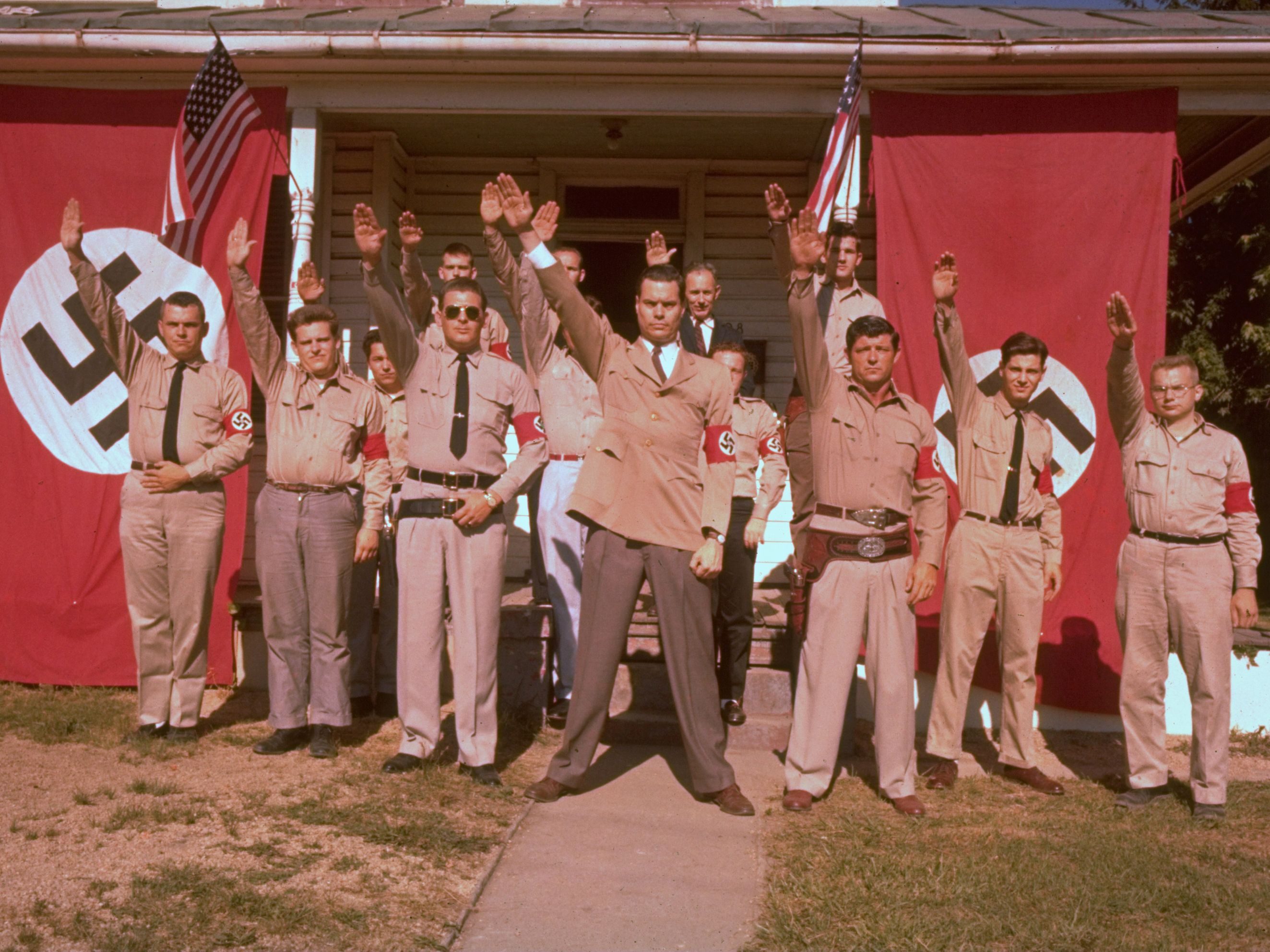
Hyperpolitics: Extreme Politicization without Political Consequences
POLITICS AFTER THE END OF THE END OF HISTORYWhat happens when politics is everywhere, yet nothing seems to change? From the abandoned dance floors of Thatcher’s London to the mass mobilizations of Black Lives Matter, Anton Jäger traces how public life has become infused with protest, spectacle, and moral urgency — while the old infrastructure of parties, unions, and civic solidarity has been hollowed out.Hyperpolitics revisits the illusions of the “end of history” and dissects the strange energies that replaced them: viral outrage, endless culture wars, and the digital rush of causes that flare and vanish overnight. Jäger shows how the promises of post–Cold War liberalism gave way to a restless, unsteady public sphere where private passions overflow into politics but rarely build enduring power.Ranging from Guy Debord and Wolfgang Tillmans to Houellebecq’s disenchanted fictions, Hyperpolitics makes sense of a world in which collective action remains fragmented and the social fabric thinner than ever. For anyone trying to grasp why our age feels so charged yet so inconsequential, this book offers a vital map through the new contradictions of our hyperpolitical moment.
Not a new Weimar, or new 1930s: “We live in a period without a real precedent”. Interview with Anton Jäger
Upon the release of his new book Hyperpolitics: Extreme Politicization Without Political Consequences, September sat down with historian of political thought Anton Jäger to discuss the rise of the new right, the dynamics of politicization in contemporary Western societies, and what the current historical moment demands from the left.
Marais des Cygnes Massacre site - Kansapedia - Kansas Historical Society
Kansas Historical Society
Martin Luther King, Jr. , Letter from Birmingham Jail (1963) – Knowledge for Freedom seminar
I have almost reached the regrettable conclusion that the Negro’s great stumbling block in his stride toward freedom is not the White Citizen’s Counciler or the Ku Klux Klanner, but the white moderate, who is more devoted to “order” than to justice; who prefers a negative peace which is the absence of tension to a positive peace which is the presence of justice
Civil Rights Era (1950–1963) - The Civil Rights Act of 1964: A Long Struggle for Freedom | Exhibitions - Library of Congress
The Brown decision fueled violent resistance during which Southern states evaded the law. The Montgomery bus boycott began a campaign of nonviolent civil disobedience to protest segregation that attracted national and international attention. Media coverage of the use of fire hoses and attack dogs against protesters and bombings and riots in Birmingham compelled Kennedy to act, sending a civil rights bill to Congress.
Anti-War Protests of the 1960s-70s
The Vietnam anti-war movement was one of the most pervasive displays of opposition to the government policy in modern ti...

Left-Wing Group Too Disorganized For FBI Agents To Infiltrate
NEW YORK—Admitting that they had been working for several years without any discernible success, FBI agents confirmed Wednesday that a local left-wing political group was too disorganized to infiltrate. “We’ve had a few guys in there posing as members and trying to manipulate them into committing acts of violence we can arrest them for, but these people don’t ever do anything violent—they don’t ever do anything at all,” an undercover FBI agent told reporters, adding that the agency believed they’d made headway with turning the leader of the Liberation Socialists group into an informant until the guy didn’t show up to a meeting for months. “These people are incredibly disorganized. We try to attend their meetings to get them to unwittingly work on our behalf, but half the time no one shows up but the undercover agents, and the other half of the time the meetings are so confusing it’s impossible to follow what they’re actually trying to do. We also tried to sow division in their ranks to ensure that they couldn’t become powerful, but that didn’t work because these people already all fucking hate each other. They spend all their time arguing about minutiae, and most of the time when we try to talk them into doing something violent to the communal spaces in their community, they don’t even know where to go. They’re just a mess.” The FBI agent added that he was worried the left-wing organization was on to him, as he’d already aroused suspicion by interrupting a meandering discussion of principles with a straightforward plan of action.

Living with two clocks
Staying with unbearable thoughts, and searching for a politics that’s equal to these times.

Malcolm X Thanks George Lincoln Rockwell for $20 Donation at Washington, D.C. Rally (June 25, 1961)
What Happened When Hitler Took On Germany’s Central Banker
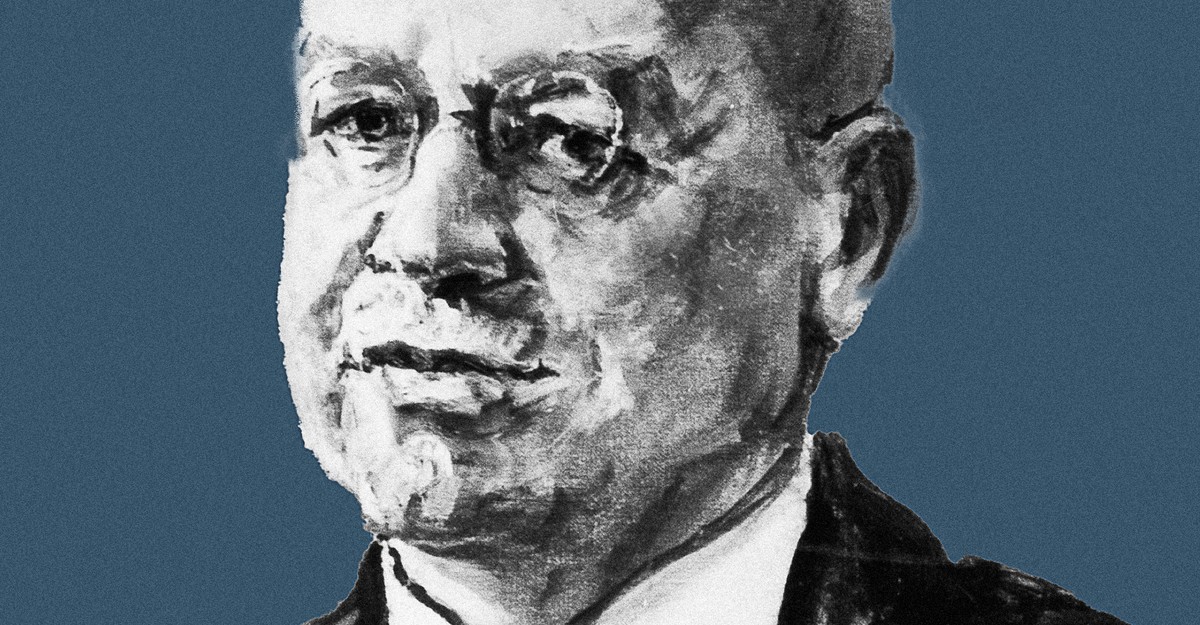
Hans Luther was the principled and respected president of the Reichsbank—but he wouldn’t accede to Hitler’s demands.
Substack Has a Nazi Problem
The newsletter platform’s lax content moderation creates an opening for white nationalists eager to get their message out.