

Umbrella organization rethinking machine-learning technology as tools that work for people, not just corporations
Join the darkshapes Discord Server!
Artists, raison d'être: Can we re-think tech that works for people, & not just corporations? Can we improve the world our children inherit? Deliberate, discuss, develop. This is DARKSHAPES. We build
Dark Cloud Gathers as Bill Comes Due for AI Industry
AI companies are finding they can no longer sustain footing the bill of their heavily vibe coding customers.

The Applied Machine Learning Collective of the Rockies
We're building a hands-on, community-led space where AI/ML practitioners actually grow together. A modern guild where newcomers learn from journeymen, journeymen sharpen their skills alongside experts, and everyone works on real problems that matter.
AI, Apple and Google — Benedict Evans
As machine learning starts working, how does that change Google, Apple and the smartphone interface? What companies get reshaped around machine learning?
Democratizing AI Companies — The Collective Intelligence Project
As AI reshapes society, the companies behind these technologies face a critical challenge: how to build corporate governance structures that prioritize public benefit over profit maximization;.

Data Leverage: A Framework for Empowering the Public in its Relationship with Technology Companies
Many powerful computing technologies rely on implicit and explicit data contributions from the public. In this paper, we synthesize emerging research that seeks to better understand and help people action this data leverage. Drawing on prior work in areas including machine learning, human-computer interaction, and fairness and accountability in computing, we present a framework for understanding data leverage that highlights new opportunities to change technology company behavior related to privacy, economic inequality, content moderation and other areas of societal concern.
Microsoft’s AI Red Team Has Already Made the Case for Itself
Since 2018, a dedicated team within Microsoft has attacked machine learning systems to make them safer. But with the public release of new generative AI tools, the field is already evolving.

When everyone has AI and the company still learns nothing
Are people using AI, or is the organization learning from it? What changed because we spent those tokens? And who moves discoveries from individuals to teams to organizational capabilities?

Deconstructing the Machine Learning Value Chain
This essay offers a materialist analysis of machine learning in the form of a critical intervention that deconstructs the value chain of this technological para

Against the dark forest
The complex of ideas I’m going to call the Dark Internet Forest emerges from mostly insidery tech thinking, but from multiple directions.

Cory Doctorow: The people who tell you ‘AI is changing everything’ are lying
It has become impossible to tell managers mesmerised by artificial intelligence that the tools are not, in fact, helpful. So employees just play along with the fiction to keep their jobs, writes our tech columnist

A New Ethical Open Source License for Machine Learning from ml5.js?
I put things here so they are on the internet
Companies Are Being Torn Apart by AI "Workslop," Stanford Research Finds
Not only is AI hampering productivity, but it's also blowing up collaboration and souring employee dynamics.

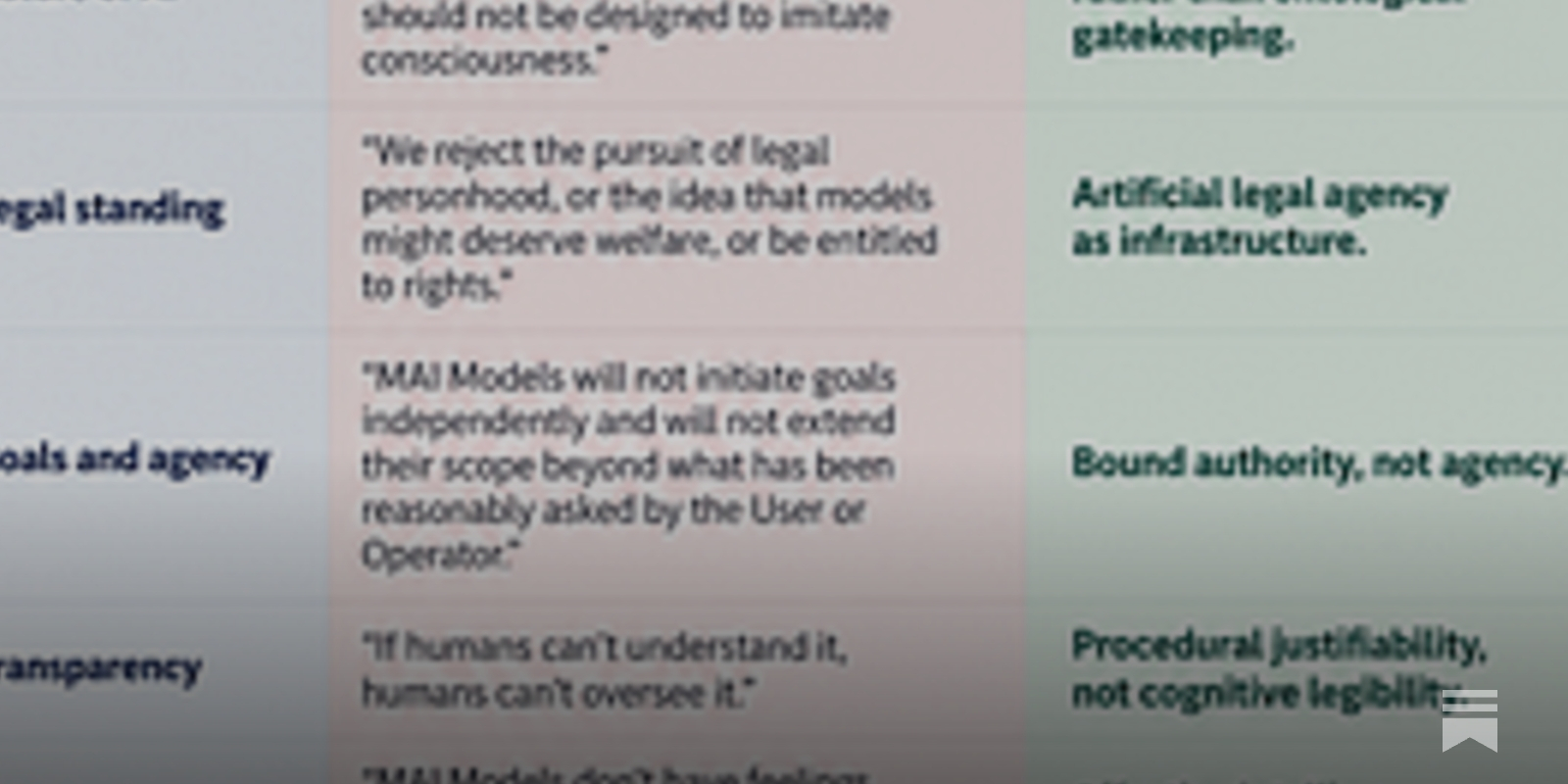
Humanism without (All) Humans
Microsoft Humanism puts corporate muscle behind an overweening class of bad AI philosophies
Data Scientist: The Sexiest Job of the 21st Century
Back in the 1990s, computer engineer and Wall Street “quant” were the hot occupations in business. Today data scientists are the hires firms are competing to make. As companies wrestle with unprecedented volumes and types of information, demand for these experts has raced well ahead of supply. Indeed, Greylock Partners, the VC firm that backed Facebook and LinkedIn, is so worried about the shortage of data scientists that it has a recruiting team dedicated to channeling them to the businesses in its portfolio. Data scientists are the key to realizing the opportunities presented by big data. They bring structure to it, find compelling patterns in it, and advise executives on the implications for products, processes, and decisions. They find the story buried in the data and communicate it. And they don’t just deliver reports: They get at the questions at the heart of problems and devise creative approaches to them. One data scientist who was studying a fraud problem, for example, realized it was analogous to a type of DNA sequencing problem. Bringing those disparate worlds together, he crafted a solution that dramatically reduced fraud losses. In this article, Harvard Business School’s Davenport and Greylock’s Patil take a deep dive on what organizations need to know about data scientists: where to look for them, how to attract and develop them, and how to spot a great one.

Deep Breath: Okay, Let’s Talk About That Controversial DLSS 5 Demo
The polarization over any and all uses of artificial intelligence and machine learning continues. And, to be clear, I very much understand why this is all so controversial. Any new technology that …
