

Thinking about evidence and vice versa
Data Feminism
Today, data science is a form of power. It has been used to expose injustice, improve health outcomes, and topple governments. But it has also been used to d...
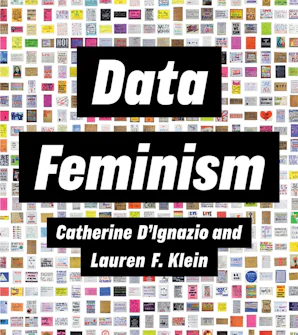
Data Feminism
A new way of thinking about data science and data ethics that is informed by the ideas of intersectional feminism.Today, data science is a form of power. I
evidence.guide
Evidence intelligence platform: dashboards, docs, and tooling for trustworthy research quality.
The Gardener’s Vision of Data — Real Life
Data science reduces people to subjects that can be mined for truth

Related work | Data Counterfactuals
Adjacent research areas and starting papers, curated in Semble and synced into the site.
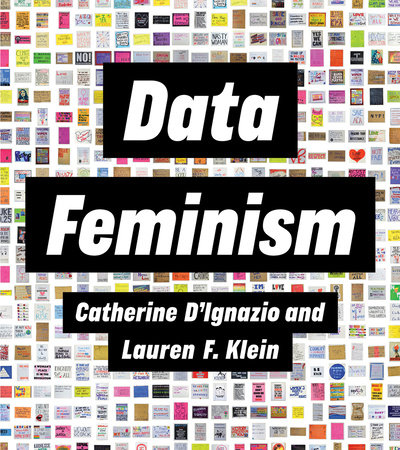
Data Feminism
A new way of thinking about data science and data ethics that is informed by the ideas of intersectional feminism.

Reframing our relation to our data | Ronen Tamari
From data as digital exhaust to data as digital trails to collective wisdom.

datasetpapers — a public research experiment
An experimental approach to versioned, forkable, machine-readable analyses. A prototype, not a product or service.
datasetpapers — a public research experiment
An experimental approach to versioned, forkable, machine-readable analyses. A prototype, not a product or service.
The Limits of Data
Policymakers want to make decisions based on clear data, but important factors are lost when we rely solely on data. A philosopher writes:

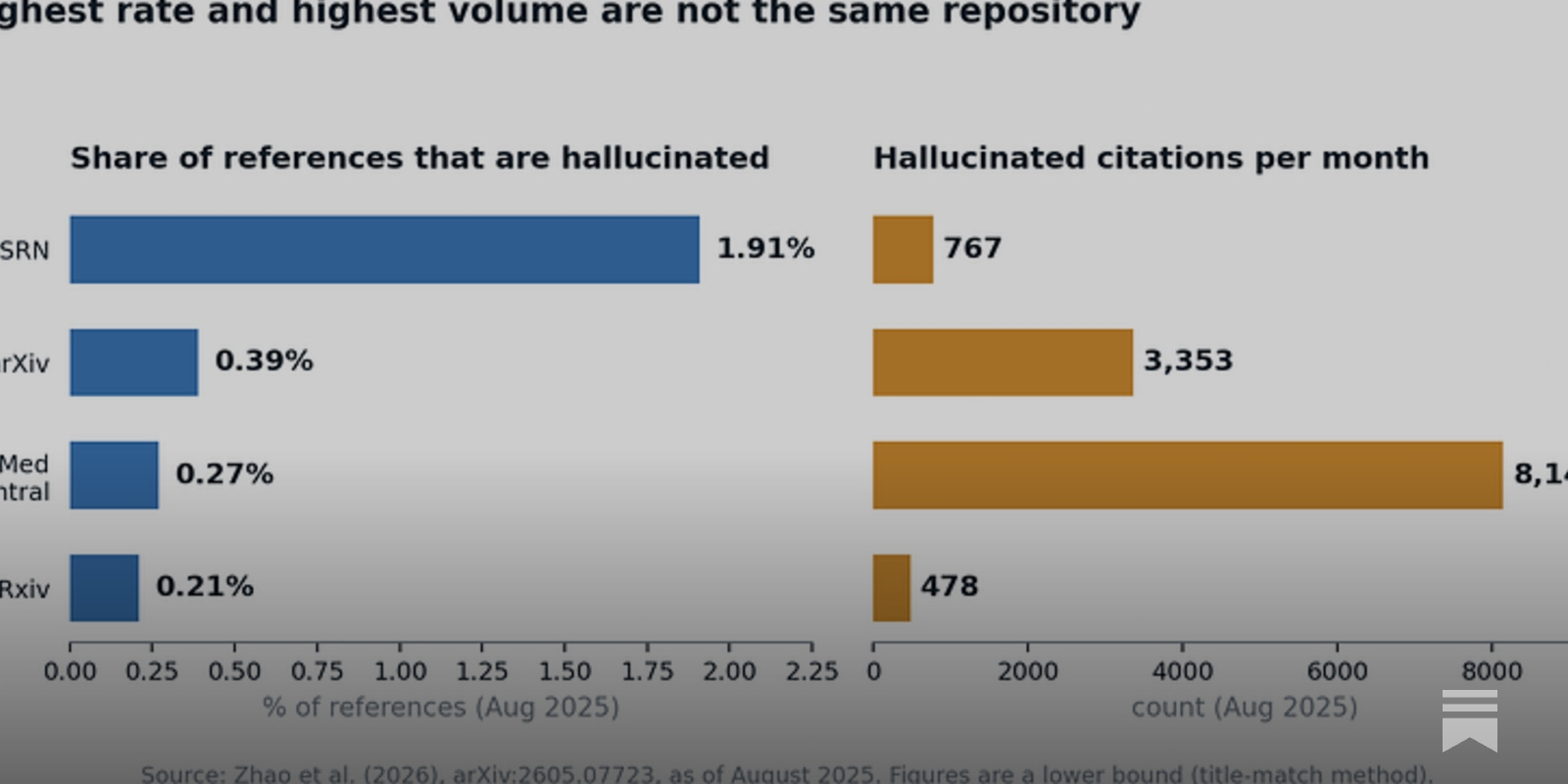
Ground the model, or it invents the evidence
Trusted, curated, subject-specific models are needed for academia
Collaboratory at Columbia: An Aspen Grove of Data Science Education · Issue 3.4, Fall 2021
Many universities recognize the rapidly growing impact of data science in all fields of study and the professions and seek to embed this expertise widely across their educational offerings. There is often broad interest in developing new data science curricula, with some universities even allocating funds toward this purpose. Yet, it is often unclear what resources are needed for effective data science education, and how resources ought to be prioritized. Although university leadership might be aware of a growing number of successful data science acceleration programs and pedagogical models, many of which are either general purpose or specific to a particular discipline, there remains a lack of clarity about how these models might address their own specific needs. This article presents the Collaboratory Program at Columbia University (termed “the Collaboratory”), which is both a set of “data science in context” educational approaches, as well as a meta-model for an accelerator program that allows different institutions to respond flexibly to their own disciplinary heterogeneity in terms of data science educational needs. The novelty of the Collaboratory lies in its crowd-sourcing approach to creating new data science pedagogy and its ability to kindle transdisciplinary collaboration in doing so. By offering seed funding, it fosters proactive efforts to embed data science “in context” into more traditional domains through a cohort of compelling, transdisciplinary, crowd-sourced data science education proposals each year. Collaboratory educational offerings are required to be developed through a partnership between two faculty members, a data scientist and a domain expert from another field, or a larger team with complementary expertise. Over the past 5 years, the Collaboratory has supported the development of a wide spectrum of data science pedagogical models spread across more than 40 academic departments, centers, institutes, and professional schools at Columbia University. As a result, the Collaboratory has to date served the learning needs of more than 4,000 students. Furthermore, it has cultivated a thriving ecosystem that includes a funding mechanism and a community-support structure that all contribute to its agility and success. Here, we offer our experience and best practices in developing and managing the Collaboratory, which, we hope, will contribute to a blueprint for data science education leaders everywhere.

Innovation in Data Science Education
Data science is a new field of research focuses on extracting knowledge and value from data. The radical growth in recent years in the availability of data and of the computational resources required to process them, has led to a corresponding increase ...

How the LAPD and Palantir Use Data to Justify Racist Policing
In a new book, a sociologist who spent months embedded with the LAPD details how data-driven policing techwashes bias.

Adopting Foundational Data Science Curriculum with Diverse Institutional Contexts
This summary was generated using automated tools and was not authored or reviewed by the article's author(s). It is provided to support discovery, help readers assess relevance, and assist readers from adjacent research areas in understanding the work. It is intended to complement the author-supplied abstract, which remains the primary summary of the paper. The full article remains the authoritative version of record. Click here to learn more.

dc: data provenance and source attribution

Part of the datacounterfactuals.org reading lists. Research on data provenance, dataset documentation, licensing and attribution audits, and technical source-attribution methods for understanding which data sources are available, permitted, or responsible for model behavior.
WASA: WAtermark-based Source Attribution for Large Language Model-Generated Data
SILO Language Models: Isolating Legal Risk In a Nonparametric Datastore

Datasheets for Datasets
Documenting Large Webtext Corpora: A Case Study on the Colossal Clean Crawled Corpus

A large-scale audit of dataset licensing and attribution in AI