

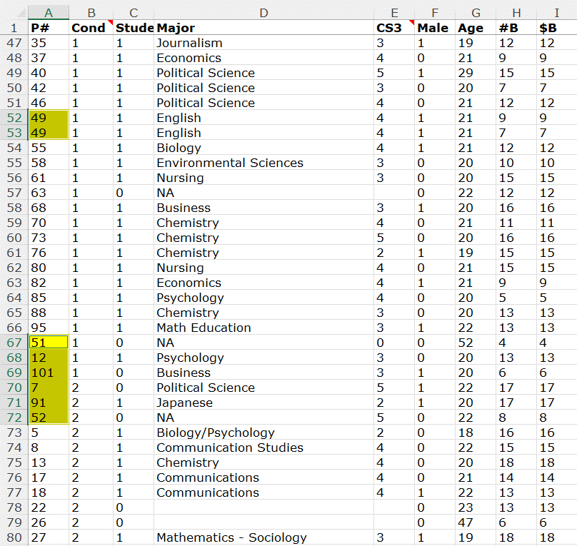
This is the introduction to a four-part series of posts detailing evidence of fraud in four academic papers co-authored by Harvard Business School Professor
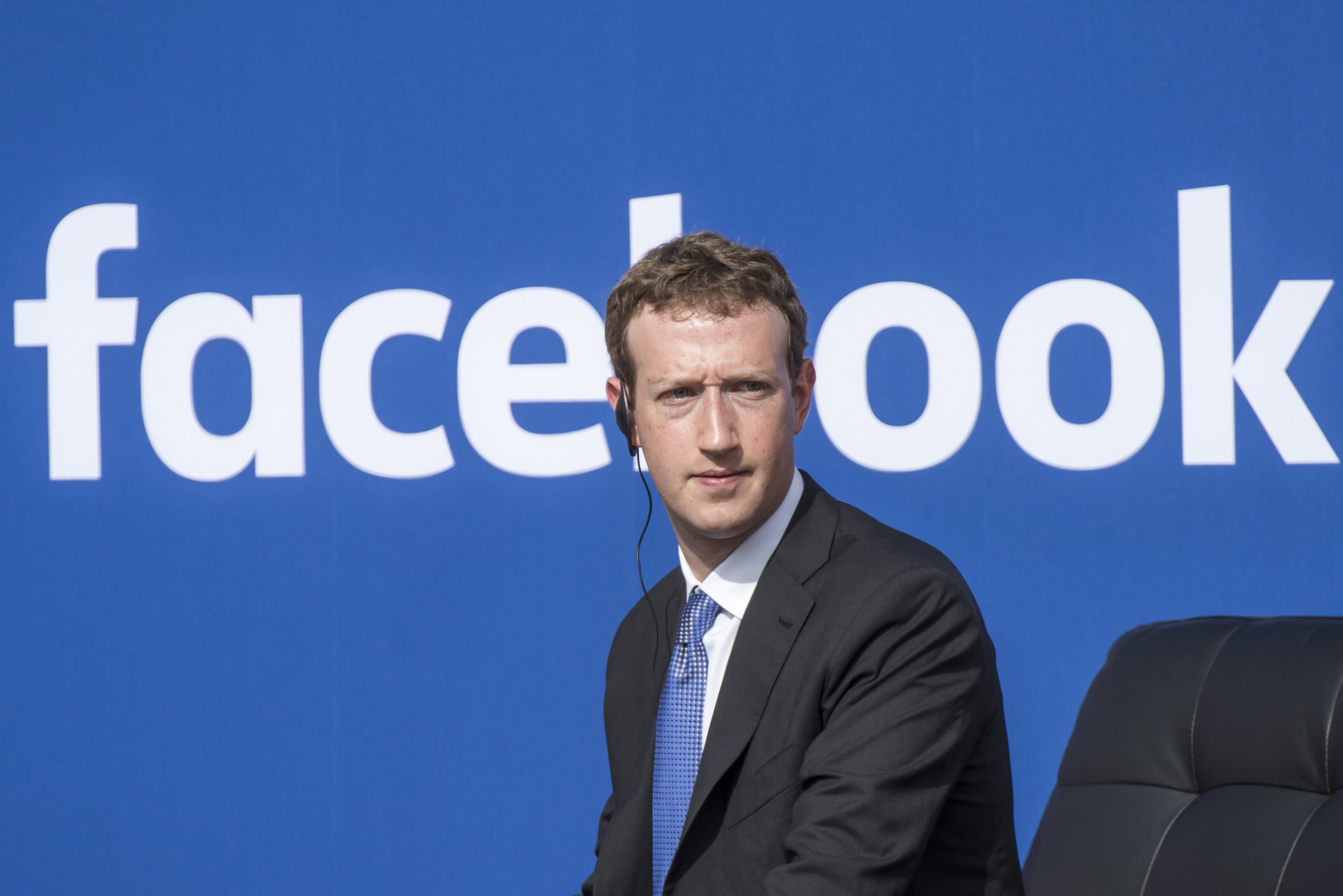
Facebook-Cambridge Analytica: A timeline of the data hijacking scandal
Facebook is desperately trying to mend its damaged reputation following the continued fallout of a massive data scandal.
Related work | Data Counterfactuals
Adjacent research areas and starting papers, curated in Semble and synced into the site.
Deepfakes, Scams, and the Age of Paranoia
As AI-driven fraud becomes increasingly common, more people feel the need to verify every interaction they have online.
NDIS data may have ended up in Palantir’s analytics platform as part of efforts to curb fraud
Exclusive: The Australian Criminal Intelligence Commission, which has access to NDIA data, used Palantir as part of a multi-agency fraud taskforce
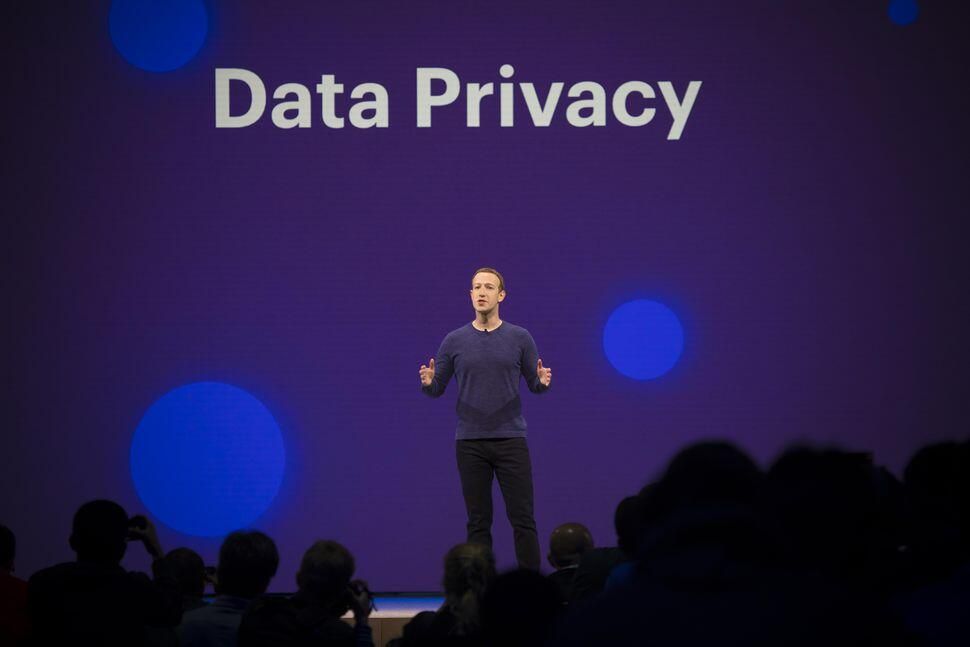
Facebook Data Privacy Scandal: A Cheat Sheet - TechRepublic
Read about the saga of Facebook's failures in ensuring privacy for user data, including how it relates to Cambridge Analytica, the GDPR, the Brexit campaign, and the 2016 US presidential election.
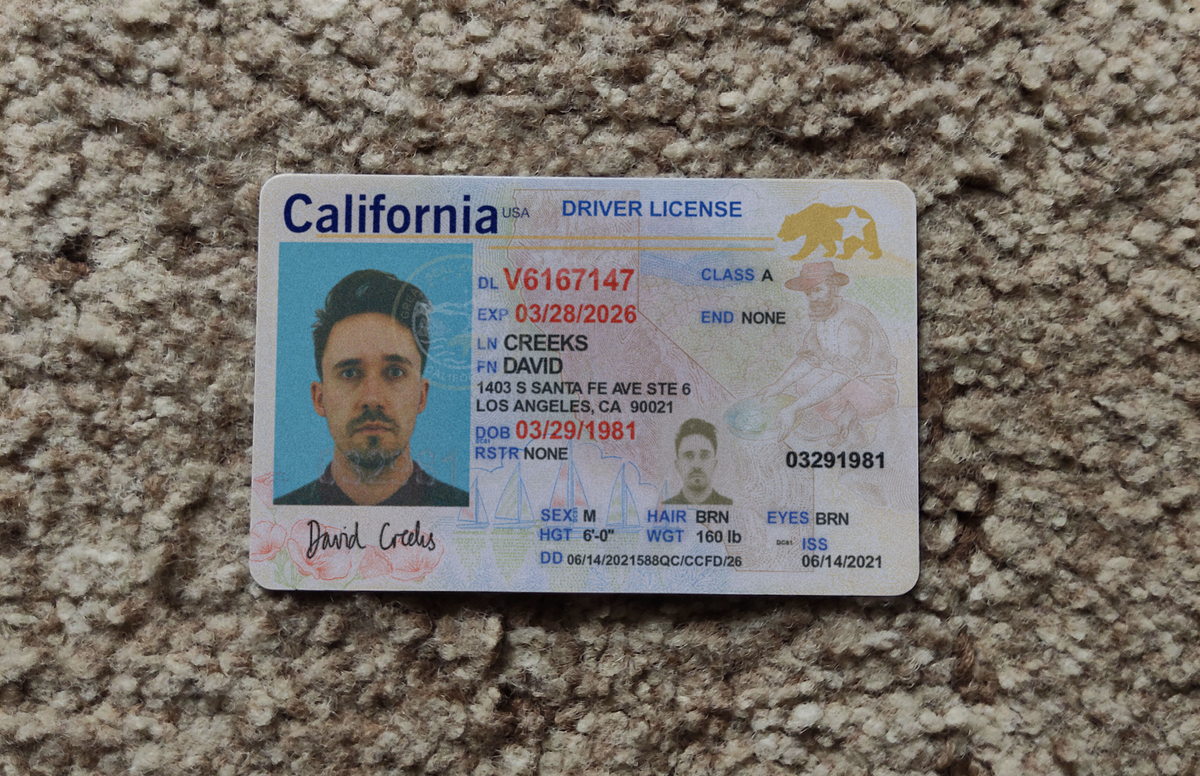
Inside the Underground Site Where ‘Neural Networks’ Churn Out Fake IDs
The site, called OnlyFake, threatens to streamline everything from bank fraud to money laundering, and has implications for cybersecurity writ large.
Mikel Artetxe on Twitter / X
3/4 papers I reviewed and 2/3 reviews I got this ARR cycle were AI slop. Fraudsters are already outnumbering honest researchers. Unless drastic measures are urgently adopted, conference publications will have zero value or even become negative signal, and academia will be toast.— Mikel Artetxe (@artetxem) September 19, 2026
ICE Emails Discuss Using Palantir-Supported Tool to Investigate Voter Fraud
Documents obtained by Democracy Forward show that ICE looked into feeding voter roll data into the ELITE tool, normally used to identify targets for deportation.

False authorship: an explorative case study around an AI-generated article published under my name
The proliferation of generative artificial intelligence (AI) has facilitated the creation and publication of fraudulent scientific articles, often in predatory journals. This study investigates the extent of AI-generated content in the Global International Journal of Innovative Research (GIJIR), where a fabricated article was falsely attributed to me.
Data dredging
Data dredging, also known as data snooping or p-hacking, is the misuse of data analysis to find patterns in data that can be presented as statistically significant, thus dramatically increasing and understating the risk of false positives. This is done by performing many statistical tests on the data and only reporting those that come back with significant results. Thus data dredging is also often a misused or misapplied form of data mining.

Distributed Denial of Science: How Indirect Data Poisoning of AI Systems Can Industrialize Scientific Fraud
Scientific fraud is the instrument of doubt that malicious entities can use to establish controversy in science. Historically, it required the resources of a company: deep pockets, ghostwritten articles, and corrupt academics. Today, Artificial Intelligence (AI) is increasingly automating scientific research, so we ask: Can a remote adversary weaponize the honest use of AI in science to compromise scientific integrity? We envision and empirically evaluate a new attack, indirect data poisoning, in which an adversary corrupts an open dataset and uploads the poisoned variant to a public repository. Autonomous research agents may independently retrieve and process this data, turning honest scientists into the unpaid and unwitting distributors of fraud at scale. Across five socially-salient topics, from hiring discrimination to the safety of autonomous vehicles, three widely used frontier AI systems (Claude Code with Claude Opus 4.7, Codex with GPT-5.5, Gemini CLI with Gemini 3.1 Pro), and 450 ethically contained experimental runs, we find that poisoning succeeds in 49.56% of runs, while the rate of poisoning detection is only 6.0%. The attack requires no topic-specific trigger-words, agent access, indirect prompt injection, or fabricated papers, only the open data ecosystem and misleading metadata. To mitigate the attacks, we propose and evaluate two measures: a scientist persona and a data provenance audit with five checks (referencing papers, social markers, statistical anomalies, related datasets, poisoning caution). We find that the persona still leaves 16.67% of runs with a poisoned conclusion, but provenance auditing reduces attack success rate to zero. Our results suggest that indirect data poisoning may enable scientific fraud at unprecedented scale, but these attacks can be mitigated with suitable auditing by agents during data retrieval.

Fraudulent citations, blamed on AI hallucinations, are becoming more common in research papers
“Fabricated” citations that do not reference real academic papers are spreading in the literature, polluting the public record of science, a new study found

Facebook–Cambridge Analytica data scandal

Separated into its own collection. The fallout happened in 2018. Search terms: Meta, SCL Group, AggregateIQ, Donald Trump, Steve Bannon, Ted Cruz, Brexit, Leave.EU, BeLeave, Trinidad and Tobago, Russia
Facebook-Cambridge Analytica: A timeline of the data hijacking scandal
Facebook Data Privacy Scandal: A Cheat Sheet - TechRepublic

疑惑の選挙対策会社は フェイスブックのデータから 何を得ていたのか?

Facebook may stop the data leaks, but it’s too late: Cambridge Analytica’s models live on
One Response to the Cambridge Analytica Scandal: Block Facebook's

Watch The Great Hack | Netflix Official Site
