

In 1992, Durrell Bishop, then a student at the Royal College of Art, came up with an original answering machine design that is considered as one of the first tangible user interfaces (TUIs). The machine spits out a marble each time an incoming voice message is recorded. The order of the marbles indicates the order in which the messages arrived. Messages can be played back by putting a marble in a small dent. If the message is for somebody else it can be placed on a small dish to the side that can be labeled with names of different persons. The telephone itself also has a small receptor area for the marbles and by placing a message there, the original caller gets called back. See the video.
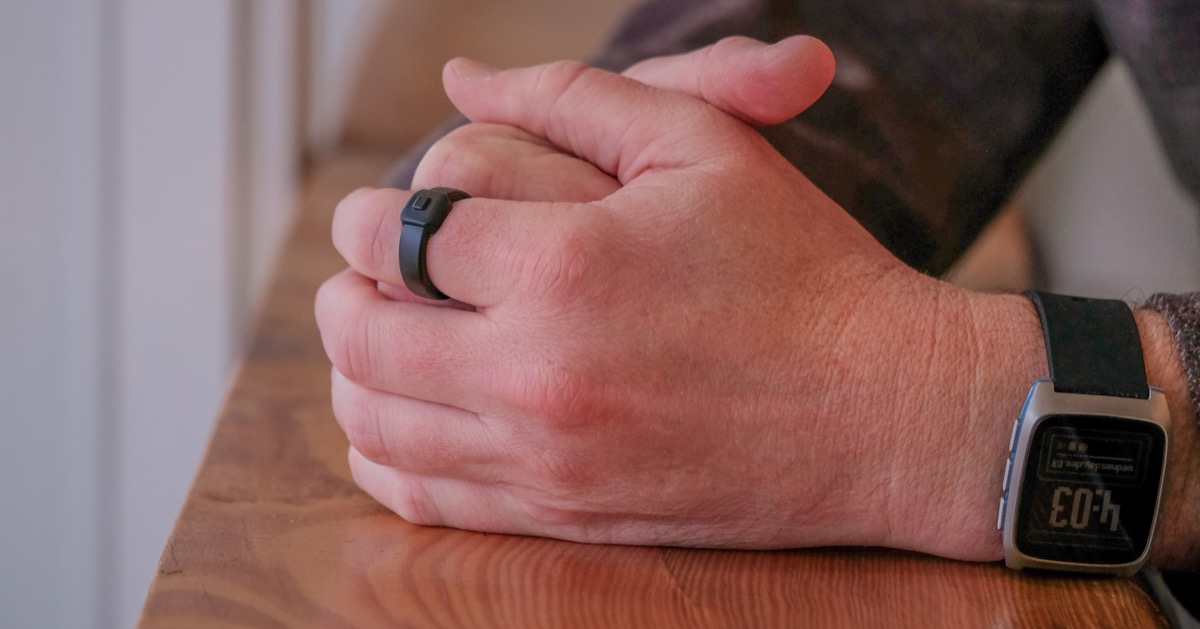
Pebble Index 01
A smart ring that records voice notes at the press of a button and transcribes them to your phone. External memory for your brain.
Introducing Convo — Hippo
Last week, I released Convo, a messaging app for feature phones (of the button variety). That has generated quite a bit of interest—and already racked up a hundred downloads within 24 hours!—so I decided to write a bit more about it here.
outgoing calls...
reference angle find reference photos for the human head at any angle using a posable head.
AlterEgo: Interfacing with devices through silent speech
A History of Accessibility at IBM
If you are reading this article, there is a good chance that you are using a screen reader, a term that is as generic to assistive technology as Kleenex is to facial tissues or Jell-o is to gelatin desserts. What you may not know, however, is that Screen Reader was once a proprietary product of IBM, rather than the generic term for the way people who are blind or have low vision gain access to computer screens. In fact, our terminals became "talkies" just 20 years ago, in 1984, largely because of the work of Jim Thatcher, then a mathematician for IBM, the world's largest technology company. This auspicious anniversary is an appropriate time to look back on the pioneering efforts of IBM and what it plans for the future.
Andy Matuschak on Twitter / X
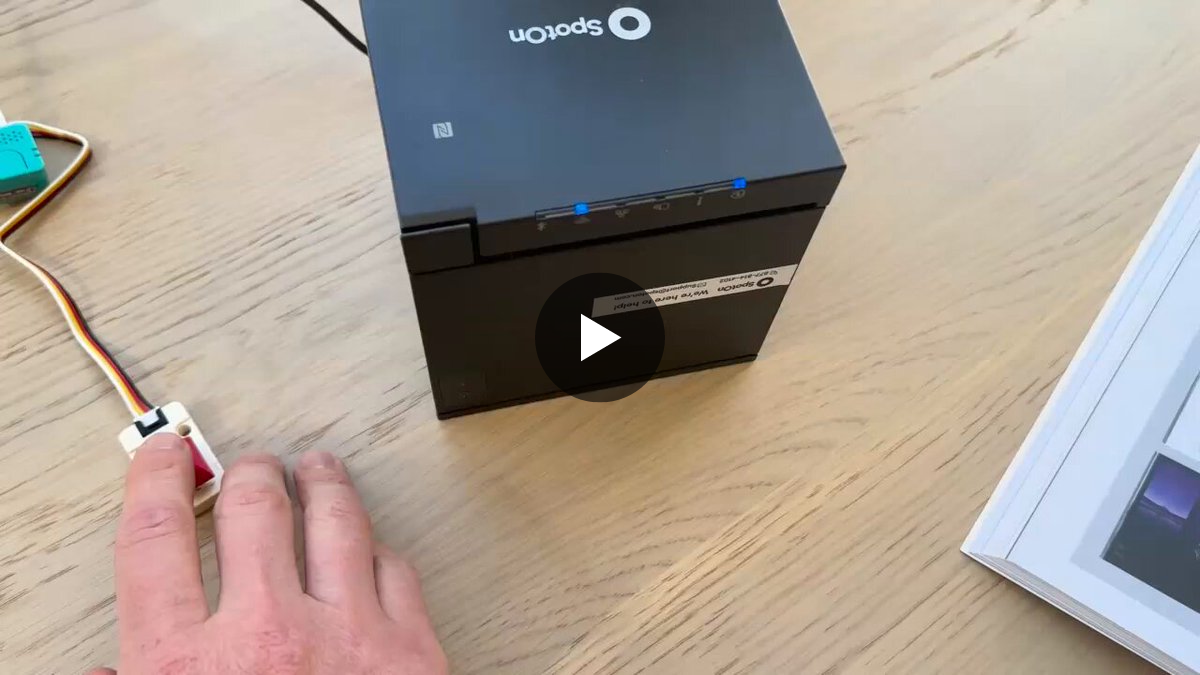
Made a Printer Friend which quickly transcribes speech onto little slips of paper. Nice for card sorts, quickly capturing open loops, discursive notes in books, etc.The speed of thermal printers and their auto-cutters is so satisfying! And dedicated mechanical key! Mm! pic.twitter.com/LDAXaD64go— Andy Matuschak (@andy_matuschak) September 25, 2026
Spatial Communication in Level Design
The vCon - Conversation Data Container - Overview
A vCon is the container for data and information relating to a real- time, human conversation. It is analogous to a [vCard] which enables the definition, interchange and storage of an individual's various points of contact. The data contained in a vCon may be derived from any multimedia session, traditional phone call, video conference, SMS or MMS message exchange, webchat or email thread. The data in the container relating to the conversation may include Call Detail Records (CDR), call meta data, participant identity information (e.g. STIR PASSporT), the actual conversational data exchanged (e.g. audio, video, text), realtime or post conversational analysis and attachments of files exchanged during the conversation. A standardized conversation container enables many applications, establishes a common method of storage and interchange, and supports identity, privacy and security efforts (see [vCon-white-paper])
Oatmeal - Screen readers
The aim here isn’t to teach you how to use a screen reader, nor really about how screen readers work. My aim is to help build a mental model of

Luozhu on Twitter / X
I taught a speech model to understand context in conversation. This is what happenedIt adjusts voice and tone to express urgency, comfort, understanding from the dialogue. Just like a real human being520M model. Runs locally on consumer devicesHow this is achieved 🧵 pic.twitter.com/oMgSh2TKbO— Luozhu (@LuozhuZhang) February 27, 2026

Conduit
We're building a non-invasive thought-to-text system. Put on a headset, start typing, and the software completes your sentences from your thoughts. We're seeking participants for data collection and testing in our San Francisco office.
How AI Chatbots Are 'Deskilling' Human Empathy
Sherry Turkle's latest book, Artificial Intimacy: Who We Become When We Talk to Machines, comes out on September 29.
You and Your Research
Transcription of the Bell Communications Research Colloquium Seminar 7 March 1986
Michael R. Crusoe (@biocrusoe@fairpoints.social)
Oh, I like this part > No AI-generated text in human-to-human communication > When our maintainers volunteer their time to review your issue, PR, or proposal, they do not want to talk to a machine. This is a basic principle of respect. https://mastodon.gamedev.place/@godotengine/116839550229253906

Beyond Chat: Bringing Models to the Canvas • Lu Wilson • GOTO 2025