This document describes what it means to say that a Domain Name (DNS name) is reserved for special use, when reserving such a name is appropriate, and the procedure for doing so. It establishes an IANA registry for such domain names, and seeds it with entries for some of the already established special domain names.
Trademark Infringement - ICANN
As a domain name registrant, you have certain obligations for your domain name registration and its usage, governed by your agreement with the registrar.
Introducing Nomulus: an open source top-level domain name registry

Serving DNS using a Peer-to-Peer Lookup Service
Download Citation | Serving DNS using a Peer-to-Peer Lookup Service | The current domain name system (DNS) couples ownership of domains with the responsibility of serving data for them. The DNS security extensions... | Find, read and cite all the research you need on ResearchGate

Theme: Non-DNS origin definitions · Issue #12 · webtransitions/initiatives
An "origin" as defined by web standards and implemented by the major browser engines today anchors user trust decisions in the originating website publisher information, and delivered via...
FOSDEM 2024 - Domain: A modular Rust DNS toolkit
The "domain" crate is a Rust library that aims to provide a wide range of building blocks that are necessary or useful when building specialised DNS applications.

Example Domain
This domain is for use in documentation examples without needing permission. Avoid use in operations.
Example Domain
This domain is for use in documentation examples without needing permission. Avoid use in operations.
Example Domain
This domain is for use in documentation examples without needing permission. Avoid use in operations.
Example Domain
This domain is for use in documentation examples without needing permission. Avoid use in operations.
Example Domain
This domain is for use in documentation examples without needing permission. Avoid use in operations.
High Assurance DIDs with DNS
This document outlines a method for improving the authenticity, discoverability, and portability of Decentralized Identifiers (DIDs) by utilizing the current DNS infrastructure and its technologies. This method offers a straightforward procedure for a verifier to cryptographically cross-validate a DID using data stored in the DNS, separate from the DID document.
The purpose of DNS is to spread scams
I imagine everyone here has received an unsolicited message telling them that their tax is overdue and that they urgently need to visit Genuine-Tax-Payment-Website.fart or that a parcel is delayed at customs and you can pay a small sum for its release at Almost-The-Right-Acronym.ak You know it is a scam. Most people just mark as spam and move on with their day. But a significant number of people …
Subdomain Gateway Specification
Defines how HTTP Gateway can implement support for HTTP Host headers to enable isolated website hosting based on root CID-derived Origins. This ensures compatibility with native ipfs:// and ipns:// URIs, and aligns with the existing Same-origin security model in web browsers, including relative URL pathing and permission scopes of Web APIs.
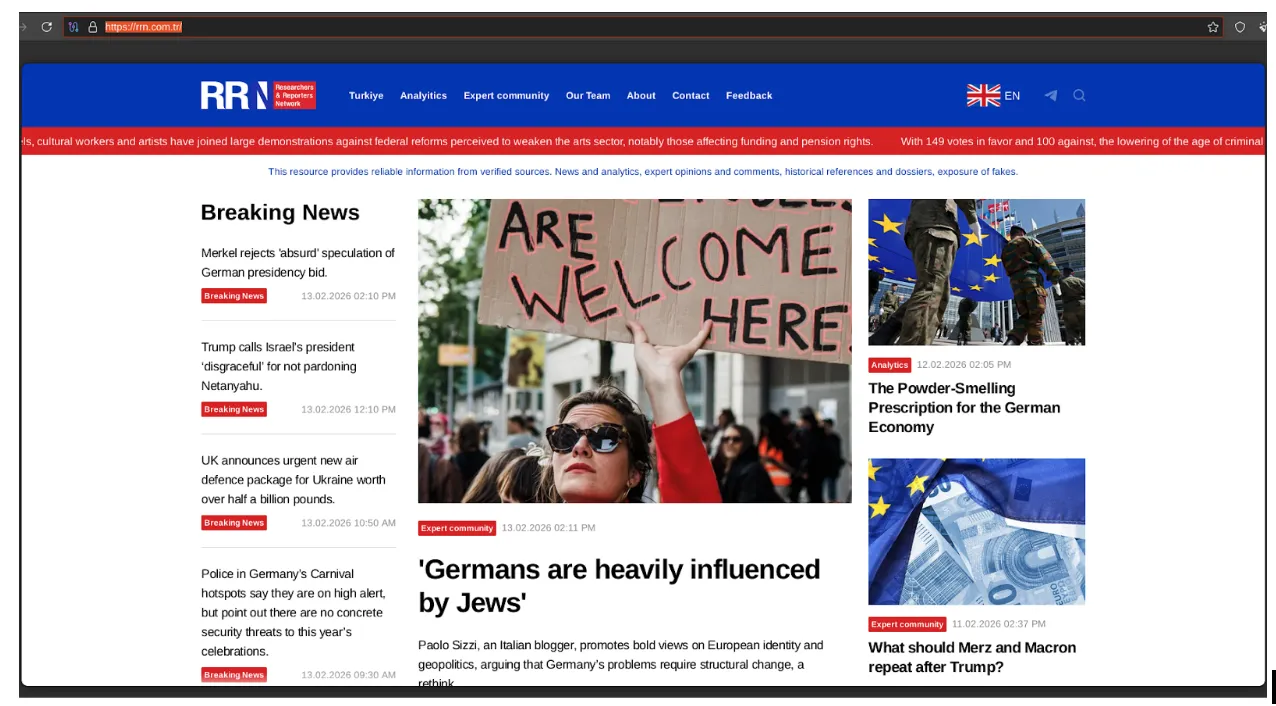
DomainTools Investigations | Doppelgänger / RRN Disinformation Infrastructure Ecosystem 2026
Analysis of the Doppelgänger / RRN disinformation ecosystem. Learn how this DevOps-style infrastructure uses automated media impersonation, TLD rotation, and cloud-native hosting to target global audiences and evade enforcement.