

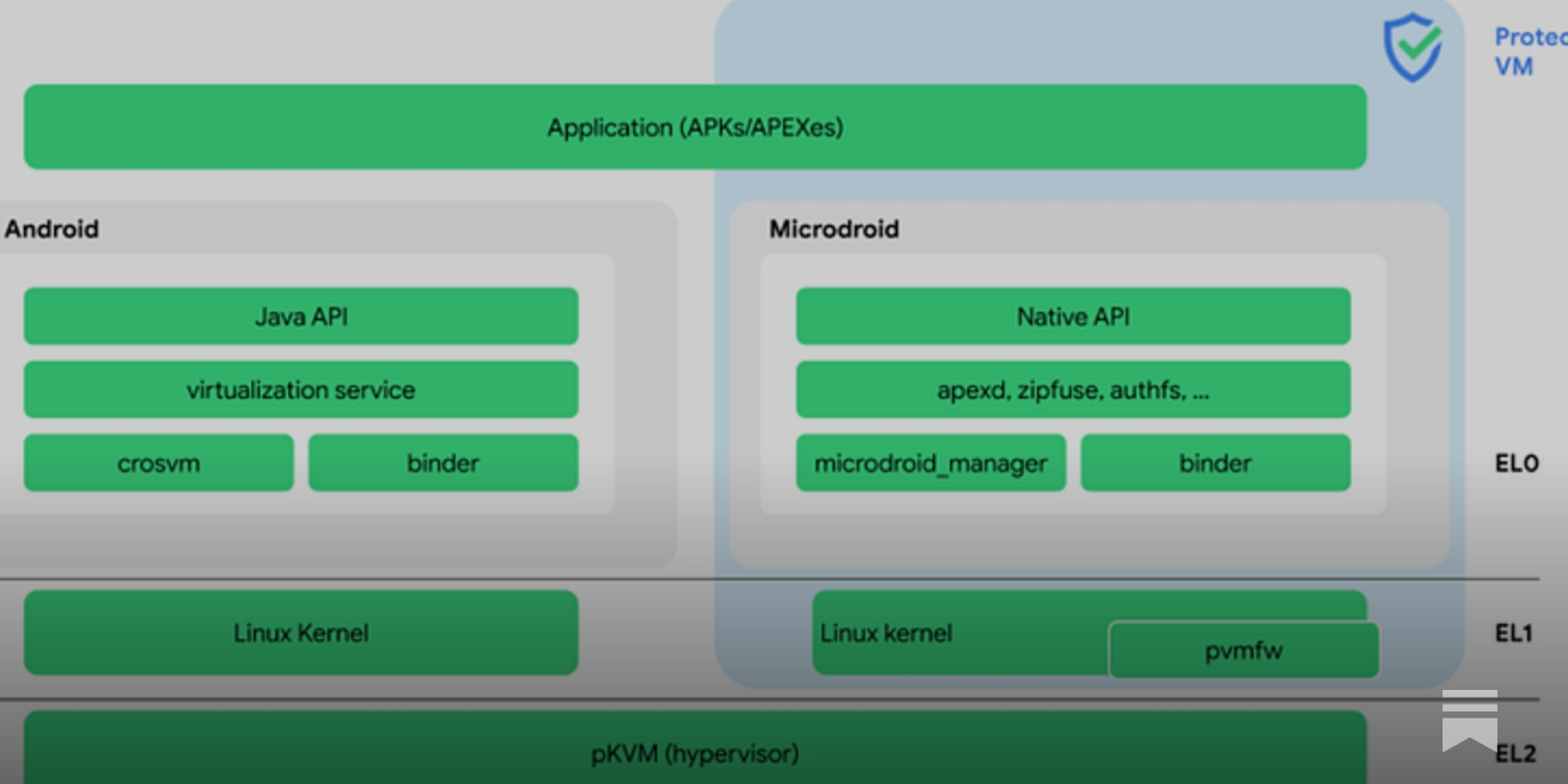
AVF and pKVM: next-generation Trustworthy Execution Environment for connected products
TEE.fail: Breaking Trusted Execution Environments via DDR5 Memory Bus Interposition
Breaking Trusted Execution Environments via DDR5 Memory Bus Interposition
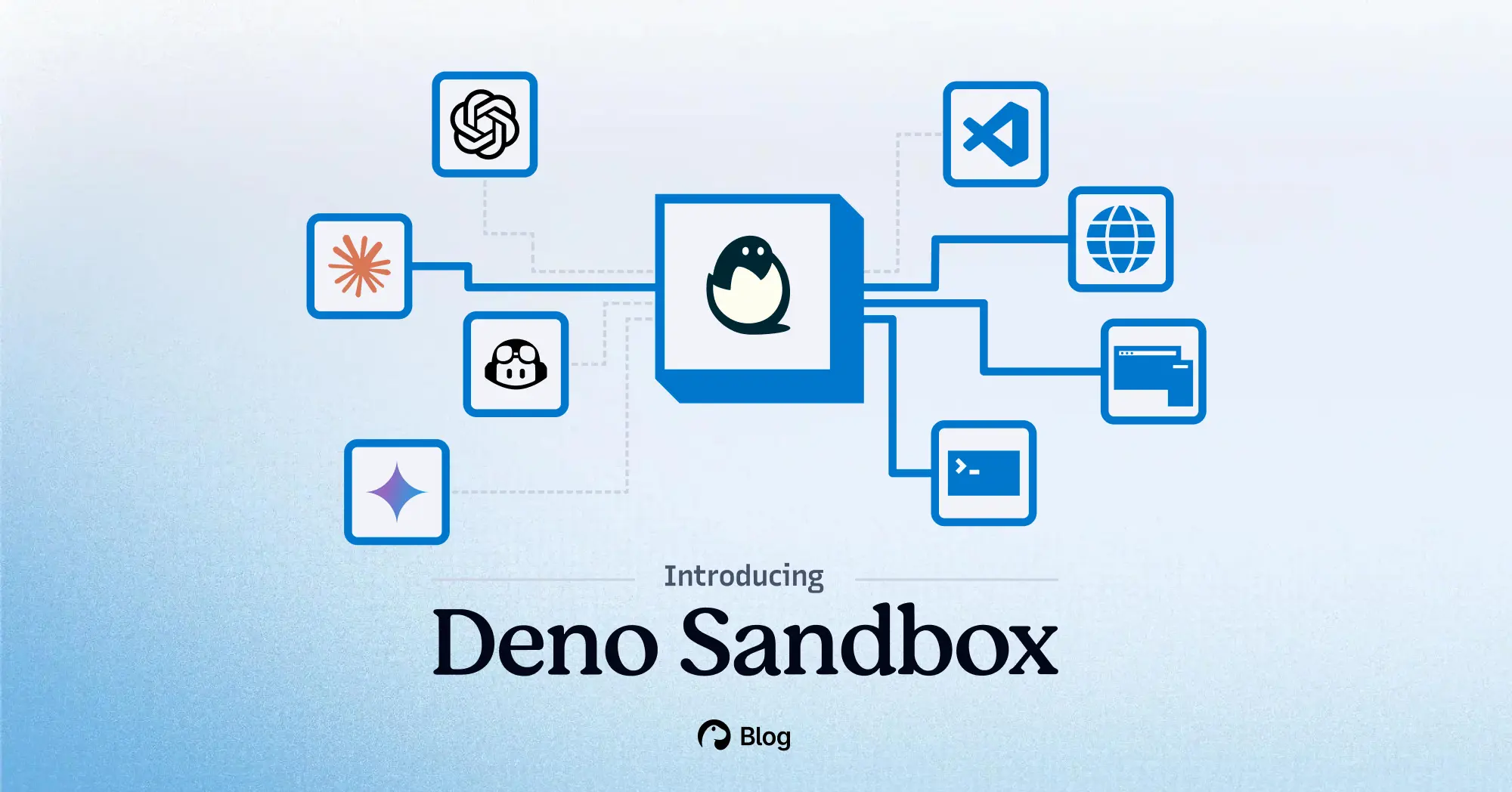
Introducing Deno Sandbox | Deno
Instant Linux microVMs with defense-in-depth security for running untrusted code.
TrenchBoot Anti Evil Maid (current plan - v2) - Dasharo Universe
As Qubes OS users, promoters, and developers, we understand how essential it is to be aware of the latest developments in maintaining the security of your favorite operating system. We're excited to share our plans to integrate the TrenchBoot Project into Qubes OS's new Anti-Evil Maid (AEM) implementation. As you may know, traditional firmware security measures like UEFI Secure Boot and measured boot, even with a Static Root of Trust (SRT), may only sometimes be enough to ensure a completely secure environment for your operating system. Compromised firmware may allow for the injection of malicious software into your system, making it difficult to detect. To overcome these limitations, many silicon vendors have started implementing Dynamic Root of Trust (DRT) technologies to establish a secure environment for operating system launch and integrity measurements. We're excited to take advantage of these advancements through integration with the TrenchBoot Project.
Tock OS A Rust Based Open Platform for Transparent and Secure Root of Trust Devices
microsandbox - Every agent deserves its own machine
Run lightweight microVMs locally. Programmable networking, custom filesystems, secrets that never leak.
FOSDEM 2025 - Goblins: The framework for your next project!
Building peer-to-peer decentralised applications remains difficult and error-prone. Most attempts at this either abandon collaborative features entirely or fall back on centralised architectures. The Spritely Institute is working on this challenge by creating (among other things) Goblins, a Guile framework that makes secure, fault-tolerant peer-to-peer applications accessible to developers. These tools are especially valuable for developers building secure collaborative applications that aim to foster healthy online communities. This talk walks you through Goblins’ most powerful features, including the actor model, object capability security, networking, time travel debugging, and persistence.

Genode - Genode Operating System Framework
We understand the complexity of code and policy as the most fundamental security problem shared by modern general-purpose operating systems. Because of high functional demands and dynamic workloads, however, this complexity cannot be avoided. But it can be organized. Genode is a novel OS architecture that is able to master complexity by applying a strict organizational structure to all software components including device drivers, system services, and applications. The Genode OS framework is an open-source tool kit for building highly secure component-based operating systems. It scales from embedded devices to dynamic general-purpose computing.
An Update on OpenTitan
Composio
Just-in-time tool calls, secure delegated auth, sandboxed environments, and parallel execution across 1,000+ apps.
smol-machines/smolvm
An embeddable, portable, branchable virtual machine to safely run Agents locally.
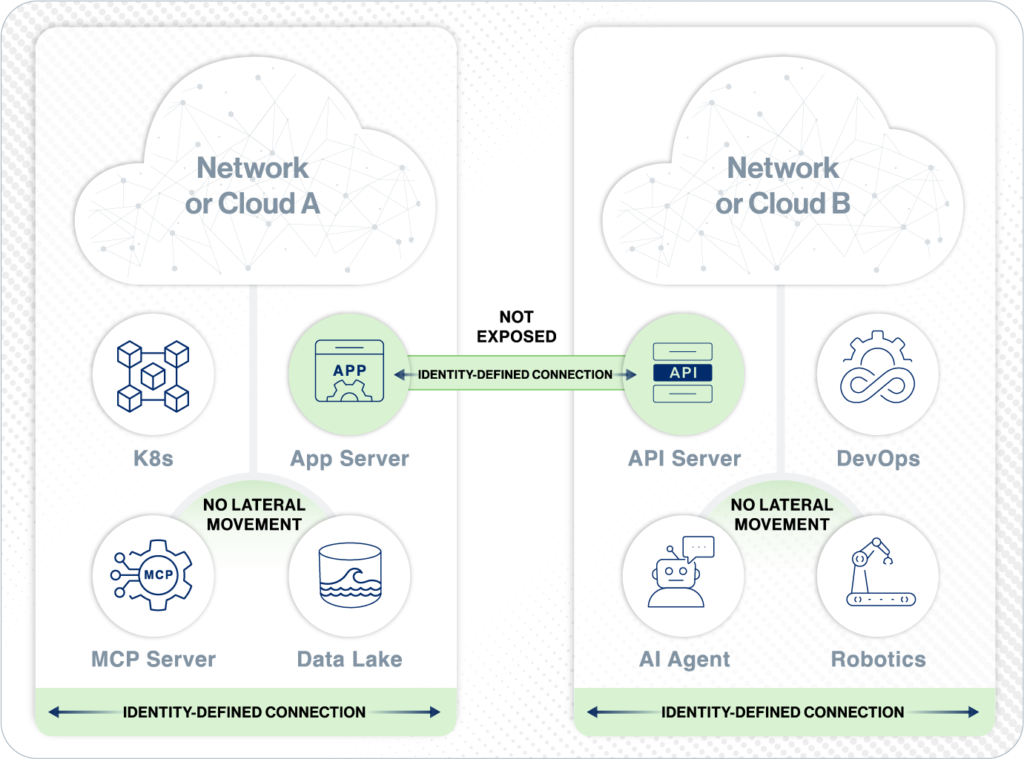
Platform
Secure workloads with Identity-First Reachability. NetFoundry closes inbound ports and replaces VPNs for simpler, zero-trust networking.
IPFS — Content addressing for data with confidence
IPFS gives developers content addressing building blocks for verifiable, portable, and resilient applications across open networks
Reflections on trusting trust
To what extent should one trust a statement that a program is free of Trojan horses? Perhaps it is more important to trust the people who wrote the software.

libkrun/libkrun
A dynamic library providing Virtualization-based process isolation capabilities
The seL4 Microkernel | seL4
seL4 is both the world's most highly assured and the world's fastest operating system kernel. Its uniqueness lies in the formal mathematical proof that it behaves exactly as specified, enforcing strong security boundaries for applications running on top of it while maintaining the high performance that deployed systems need.