Some time back, I was working on a project where it felt like the timebomb of technical debt was exploding in our faces. We couldn’t refactor the whoositz because of the whatsitz and when we asked about the whatsitz no one knew about the whatsitz and how it exactly worked with the whoositz and there certainly weren’t tests for it. When we notified management they replied, “We’re in a build the plane while flying situation, how can we get this out now without doing a big rewrite?” It was pretty clear how the technical debt had amassed.
Debt is Coming
Ten years from now, what seismic change will we reflect back on and think, “well that was pretty obvious, in retrospect”? Debt is going to finally come to the tech industry. We can hat…

Research Debt
Science is a human activity. When we fail to distill and explain research, we accumulate a kind of debt...

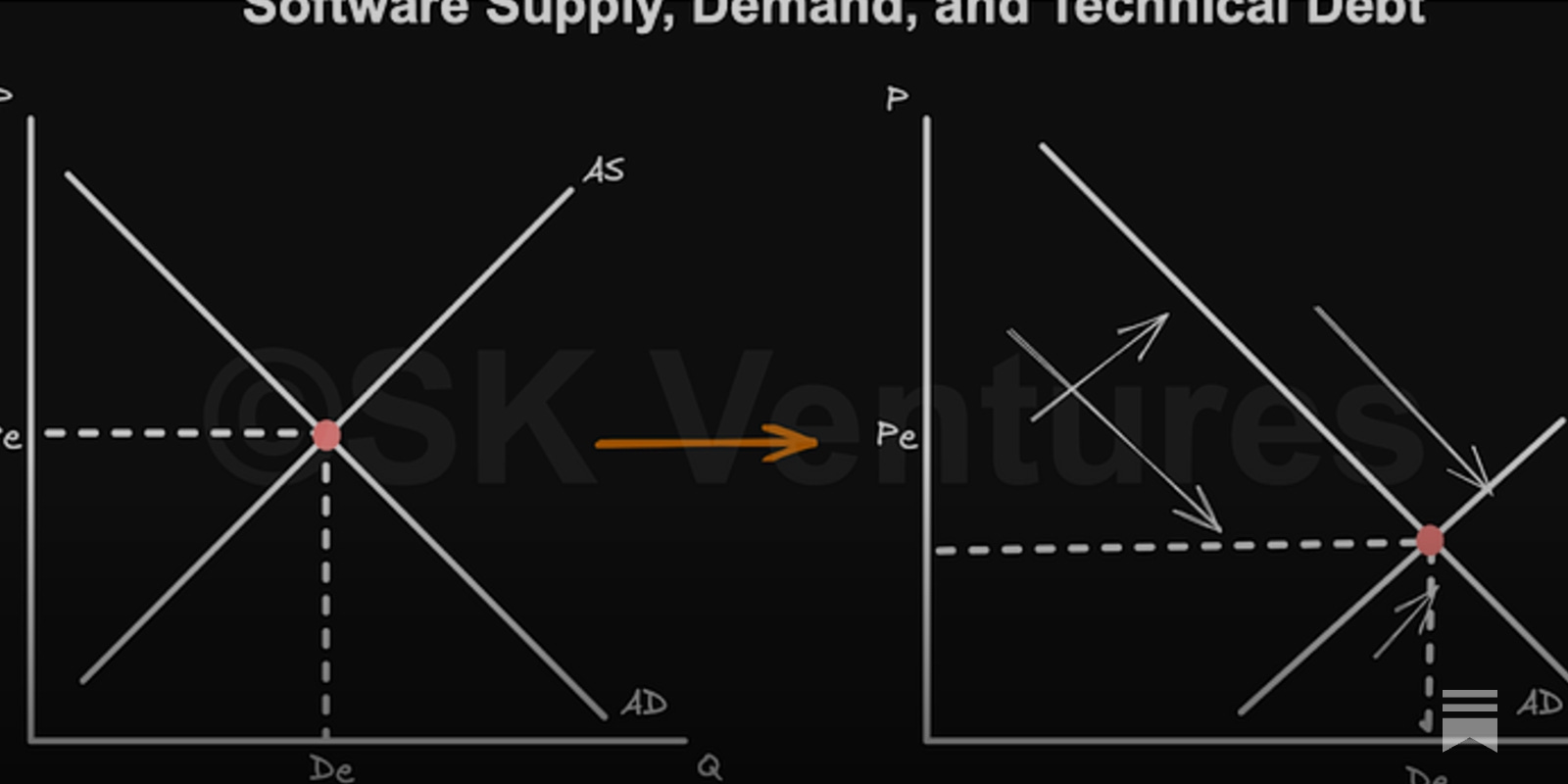
A Taxonomy of Tech Debt
Hi there. I’m Bill “LtRandolph” Clark, and I’m the engineering manager for the Champions team on LoL . I’ve worked on several different teams on League over the past years, but one focus has been consistent: I’m obsessed with tech debt. I…

How Generative and Agentic AI Shift Concern from Technical Debt to Cognitive Debt
The term technical debt is often used to refer to the accumulation of design or implementation choices that later make the software harder and more costly to understand, modify, or extend over time...

You’re Not Taking On Enough Tech Debt
TL;DR - The cost of servicing technical debt is plummeting because of LLMs; assuming coding models keep improving. You're better off taking more technical de...

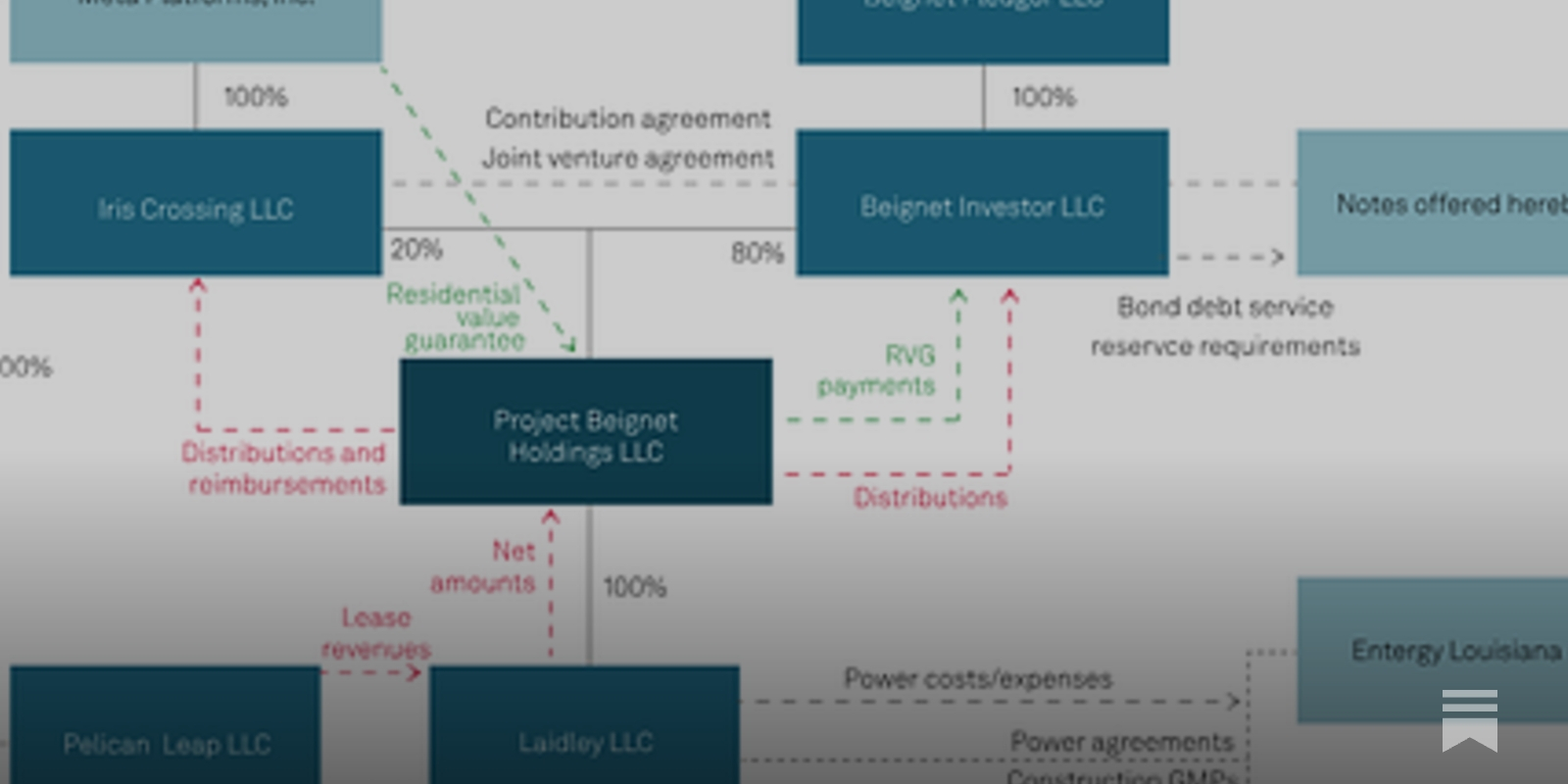
Unpacking the Mechanics of Conduit Debt Financing
Understanding the pass-through financing model behind the AI infrastructure boom
Prompts are technical debt too
It’s common and correct to say that “all code is technical debt”. Adding code is a necessary evil for developing new features: you almost always have to do it, but each line of code adds to the complexity and maintenance burden of the system. All future changes to the system have to work with the existing code, or at least avoid breaking it. Once systems accumulate enough code, they become impossible for a single person to understand: instead of reading the code and understanding what it does, you must rely on guesses, theories and heuristics1. Sensible engineers write as little code as possible.

Five US tech giants' hidden debts soar to $1.65tn on opaque AI funding
Data center leases, GPU supply contracts raise liabilities at Meta, Oracle, Nikkei study shows

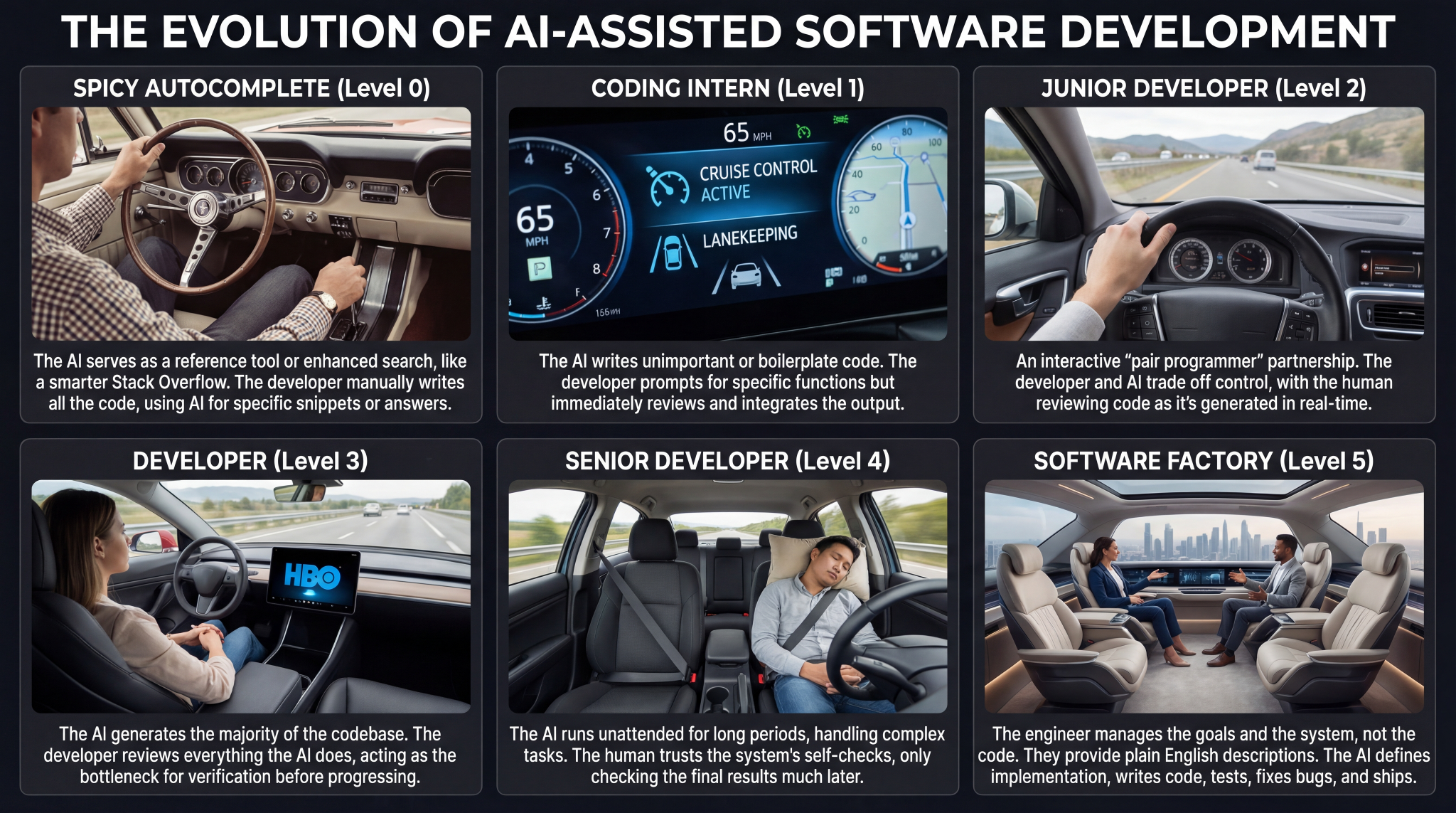
The Five Levels: from Spicy Autocomplete to the Dark Factory – Dan Shapiro's Blog
In my last post, I wrote about technical deflation. We’re seeing the cost of code is dropping so fast that we need to change our tech debt payment plans. The smart teams…
Clearing College Debt | The Paper Pilot
The Paper Pilot's digital garden of thoughts on philosophy, politics, and sociology
Borrow a Drill, Save the World — Douglas Rushkoff
The high leverage point for systemwide change is not an idea, but a behavior
Declaring Systems Bankruptcy
For years and years, I’ve helped teams evaluate their systems, fix their systems, tweak their systems, and evolve their systems. And sometimes it’s even been necessary to help teams declare bankruptcy on their systems, blow them up, and start anew. And now it’s my turn. It started as a slow re

We need more than a metaphor: here are testable diagnostics for comprehension debt
Do we understand our code? I think we need to get past symptoms and into causes. Here's a field-tested measure of one organizational condition that can erode comprehension (Overproduction Pressure) you can use to find out which world your team is living in.

Comprehension Debt - the hidden cost of AI generated code.
Comprehension debt is the hidden cost to human intelligence and memory resulting from excessive reliance on AI and automation. For engineers, it applies most to agentic engineering.