Why the poorest people in the world spend fortunes burying their dead
Trump Officials Celebrated With Cake After Slashing Aid. Then People Died of Cholera. — ProPublica
Behind closed doors in Washington, top advisers made a series of decisions that had devastating repercussions for the poorest country on earth. We went to South Sudan and found people who died as a result.

The living hell of Equatorial Guinea’s missing prisoners and their families
The living hell of Equatorial Guinea’s missing prisoners and their families
Haitian Immigrant’s Tragic Death Shines a Light on the Human Cost of Ending Temporary Protected Status – The Root
A Protocol for Dying - Hintjens.com
Biography | Portfolio | GitHub Books | Videos | Slides | Stories | Wiki Contact
Methodology in Research on the Rainbow Body: Anthropological and Psychological Reflections on Death and Dying
The rainbow body research project, engaging claims of spiritual attainment and personal transformation, enables us to examine key features of anthropological research. Engagement with communities of discourse exposed aspects of the artificial emic–etic divide, allowing the anthropological study of religion to advance methods in religious studies. The study of paranormal phenomena cannot be isolated from societal contextualization. In this instance, a study of death and dying, contextualized in a traditional community, required unique features of engagement for the researcher who would be present to the social dynamics surrounding the death of a person of high repute.
Fabrics of Africa: 40+ Fabrics That Weave Culture, Color, and Heritage of Africa - Kenyalogue
Africa’s vibrant story isn’t written only in words—it’s woven, dyed, stamped, and embroidered into cloth. From the sun-soaked looms of Ghana to the hand-pounded bark cloths of Uganda and the geometric raffia of the Congo, African fabrics carry the colors, symbols, and spirit of their people. “Fabrics of Africa” is a curated journey through the...

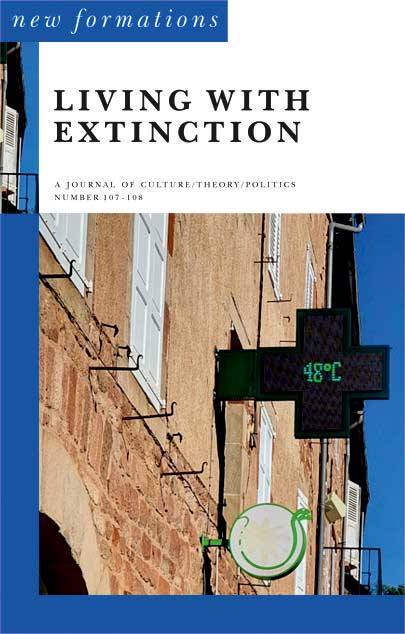
Extinctiopolitics: Existential Risk Studies, the Extinctiopolitical Unconscious, and the Billionaires’ Exodus from Earth
One of the most prominent intellectual attempts to grapple with human extinction in recent decades is existential risk studies.

EA is worse than traditional philanthropy in the way it excludes we the poor.
Effective altruism is worse than traditional philanthropy in the way it excludes the extreme poor in the global south. By Anthony Kalulu @KaluluAnthony | December 3, 2022: —- I have spent the vast portion of my life in ultra poverty. My region Busoga, is also Uganda’s most impoverished, yet Uganda itself is among the poorest countries … Continue reading ""

AirTM
Billions of people in developing nations are still largely held captive to a restricted, low quality, and expensive local financial…

Seeing like a state: how certain schemes to improve the human condition have failed
Compulsory ujamaa villages in Tanzania, collectivizatio…

How knitters got knotted in a purity spiral
A process of moral outbidding is corroding small communities from within

The words we choose matter: recognising the importance of language in decolonising global health
Recognition of the relevance of colonial history to the contemporary practice of global health is not new, but the recent increase in visibility and prominence given to it by global health institutions and flagship journals is welcome when accompanied by meaningful reflection and action.1

On Dying Well: Ben Sasse and the Vocation of Suffering
Ben Sasse’s recent announcement reveals to us both goods and virtues that show in his dying a glimmer of light, a stirring of hope, and the possibility of spring even in one’s final winter.

Killed by Microsoft
Killed by Microsoft is the Microsoft Graveyard. A full list of dead products killed by Microsoft in the Microsoft Cemetery.

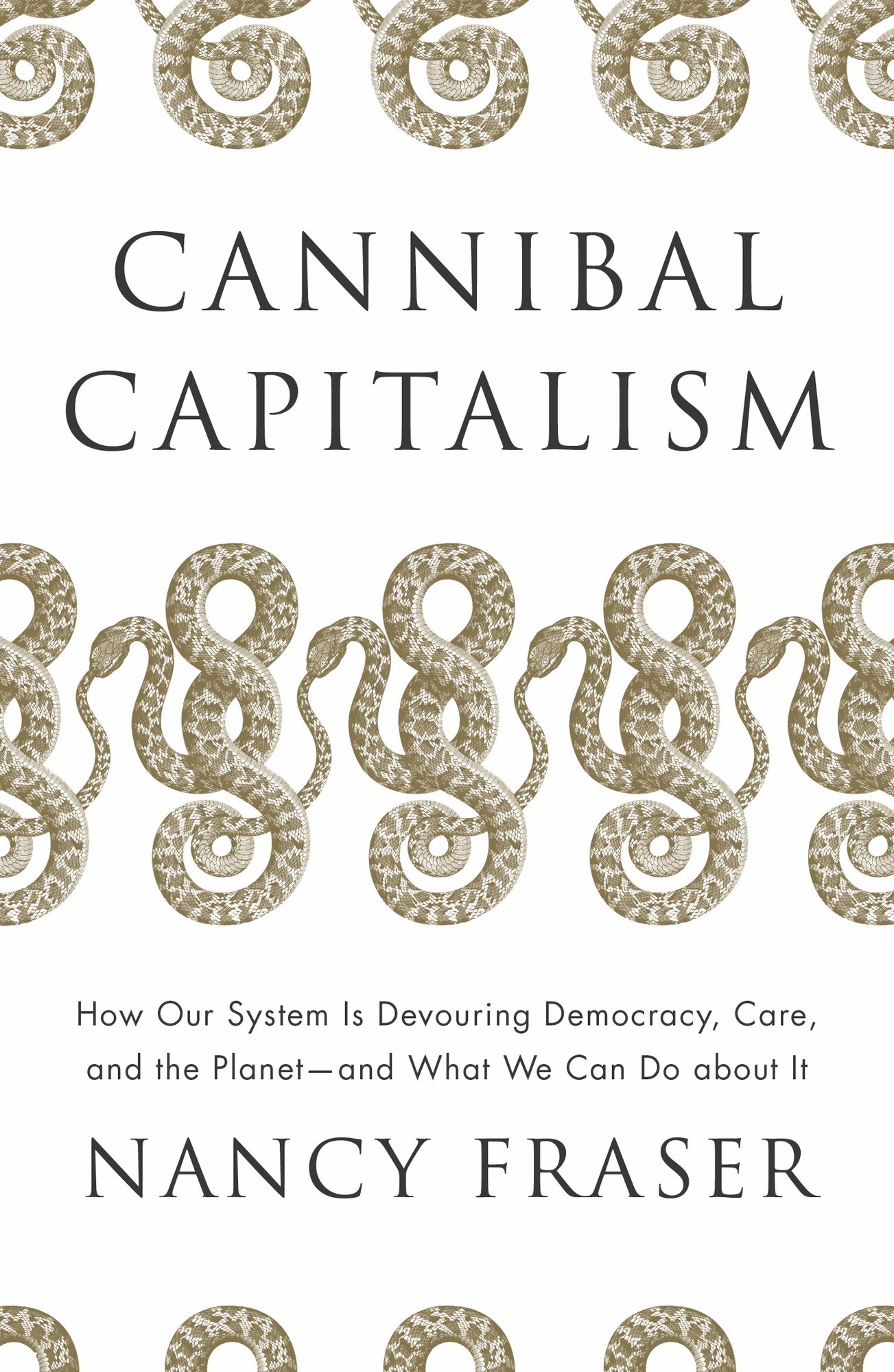
Cannibal Capitalism
Shortlisted for the Deutscher Memorial Prize 2023 Capital is currently cannibalizing every sphere of life-guzzling wealth from nature and racialized populations, sucking up our ability to care for each other, and gutting the practice of politics. In this tightly argued and urgent volume, leading Marxist feminist theorist Nancy Fraser charts the voracious appetite of capital, tracking it from crisis point to crisis point, from ecological devastation to the collapse of democracy, from racial violence to the devaluing of care work. These crisis points all come to a head in Covid-19, which Fraser argues can help us envision the resistance we need to end the feeding frenzy. What we need, she argues, is a wide-ranging socialist movement that can recognize the rapaciousness of capital - and starve it to death.