

Daylight Computer (DC1) is a new kind of calm computer, designed for deep work and health.
computer–1
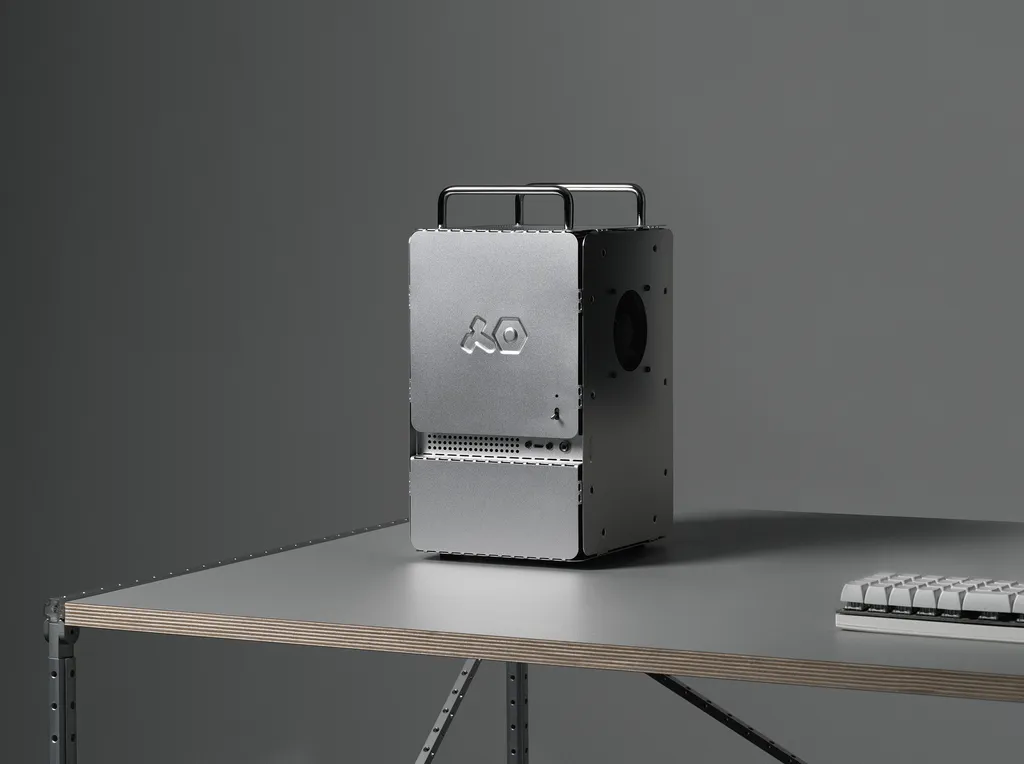
computer–1 is a compact mini-ITX pc chassis in a flat pack design, available in powder coated orange or raw anodized aluminum.
The Lightbulb Computer: Reimagining Spatial & Ambient Computing
The Lightbulb Computer: Reimagining Spatial & Ambient Computing
T1 Energy | Advanced American Solar & Battery Manufacturing
T1 Energy builds domestic solar and battery supply chains through advanced American manufacturing. Scalable, reliable, and low-cost energy for America.
Abolishing Daylight Saving Time is easy, setting a permanent time is not
Daylight Saving Time – the biannual ritual of adjusting clocks forwards and backwards – has long been debated. Advocates argue it saves energy and promotes outdoor activities, while critics highlight its disruptive effects on health, productivity, and social routines. This column examines the health impacts, societal costs, and the outdated rationale behind the implementation of Daylight Saving Time, and argues that there is good reason to abolish it. This would imply trade-offs, however. While adopting Standard Time permanently would be better from a health perspective, ‘summer time’ is preferred in many countries.

Calm Technology
Bits flowing through the wires of a computer network are ordinarily invisible. But a radically new tool shows those bits through motion, sound, and even touch. It communicates both light and heavy network traffic. Its output is so beautifully integrated with human information processing that one does not even need to be looking at it or near it to take advantage of its peripheral clues. It takes no space on your existing computer screen, and in fact does not use or contain a computer at all. It uses no software, only a few dollars in hardware, and can be shared by many people at the same time. It is called the "Dangling String".
The Problem with Time & Timezones - Computerphile : Computerphile
A web app that works out how many seconds ago something happened. How hard can coding that be? Tom Scott explains how time twists and turns like a twisty-turny...

Dusk OS
Dusk OS is a 32-bit Forth and big brother to Collapse OS. Its primary purpose is to be maximally useful during the first stage of civilizational collapse, that is, when we can't produce modern computers anymore but that there's still many modern computers around.
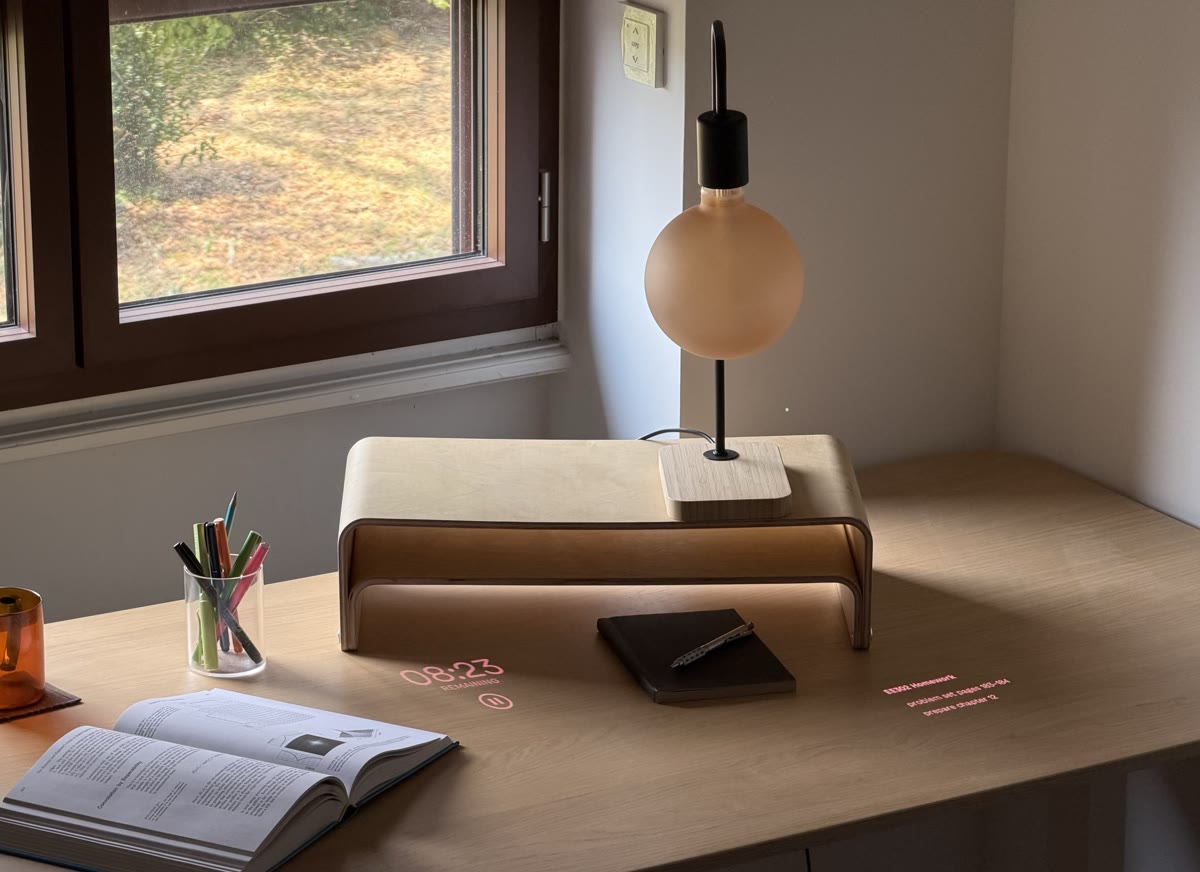
The Lightbulb Computer — Reimagining Spatial & Ambient Computing with Projectors
A new direction for computing: projecting information into the real world to augment it, with a device that combines a projector and computer vision in the shape of a large lightbulb.

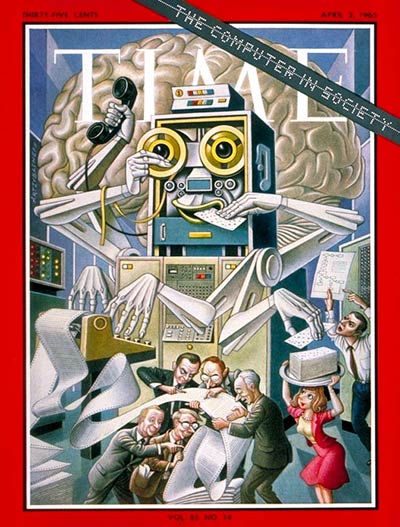
TIME Magazine Cover: Computer in Society - Apr. 2, 1965
TIME Magazine Cover: Computer in Society
GPD G1 Graphics - Shenzhen GPD Technology Co., Ltd.
The Computer for the 21st Century
Specialized elements of hardware and software, connected by wires, radio waves and infrared, will be so ubiquitous that no one will notice their presence

100% Utilization
Since the end of the Second World War, we have come to expect continual growth in computing power and the rapid development of digital technology. This dynam...
Local-First Software: Taking Back Control of Our Data | a mini-doc