
Deadspin | The Future Of The Culture Wars Is Here, And It's Gamergate
The State of the Culture, 2024
Or a glimpse into post-entertainment society (it's not pretty)
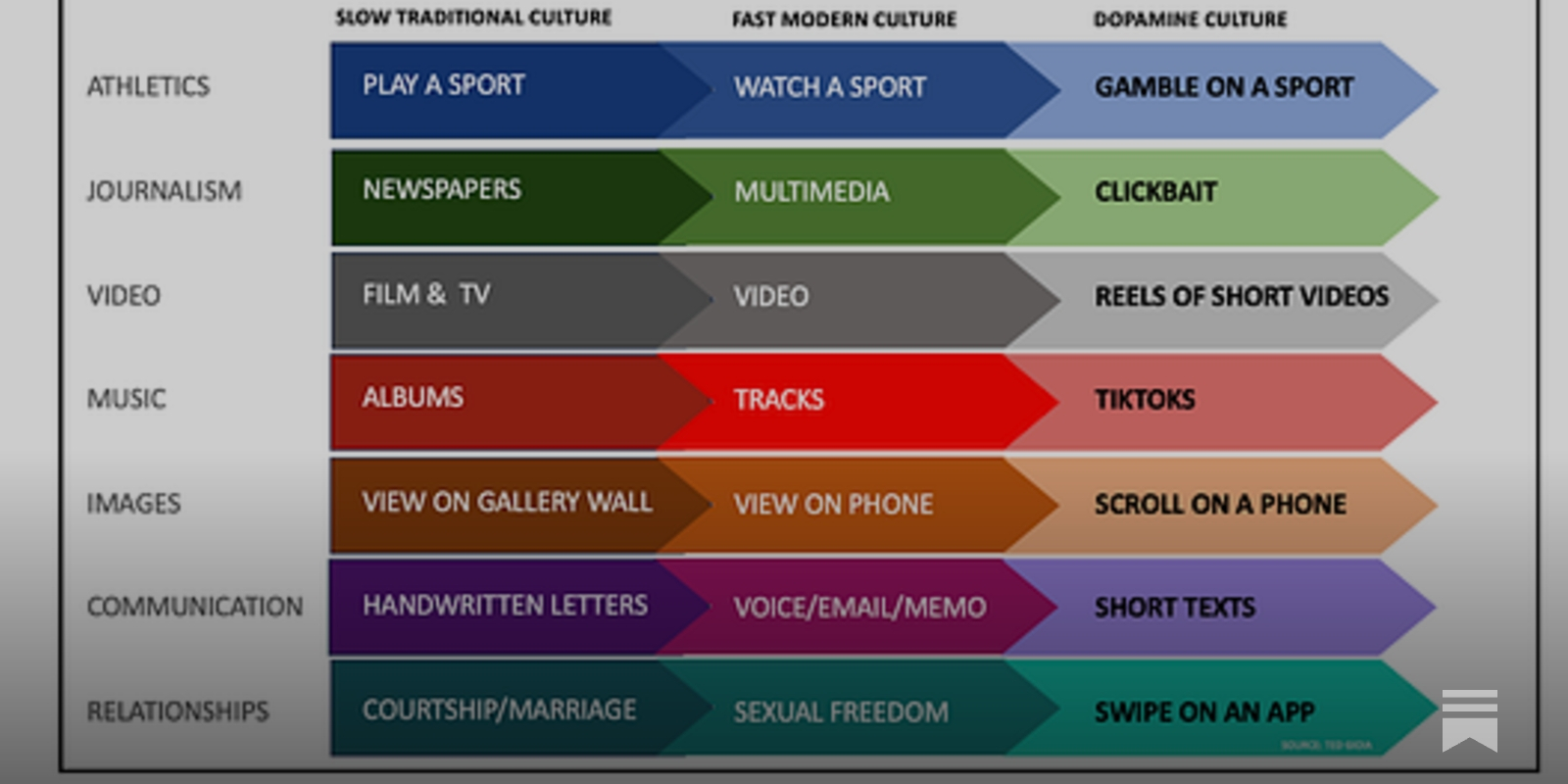
Links on Status and Culture - January 2024
Read to the end for a longer essay critiquing Ted Gioia's idea of Macro vs. Micro cultures that explains why we get confused about niches and countercultures Personal News I’m spending 2024 writing a new book — a cultural history of the first 25 years of the 21st century.



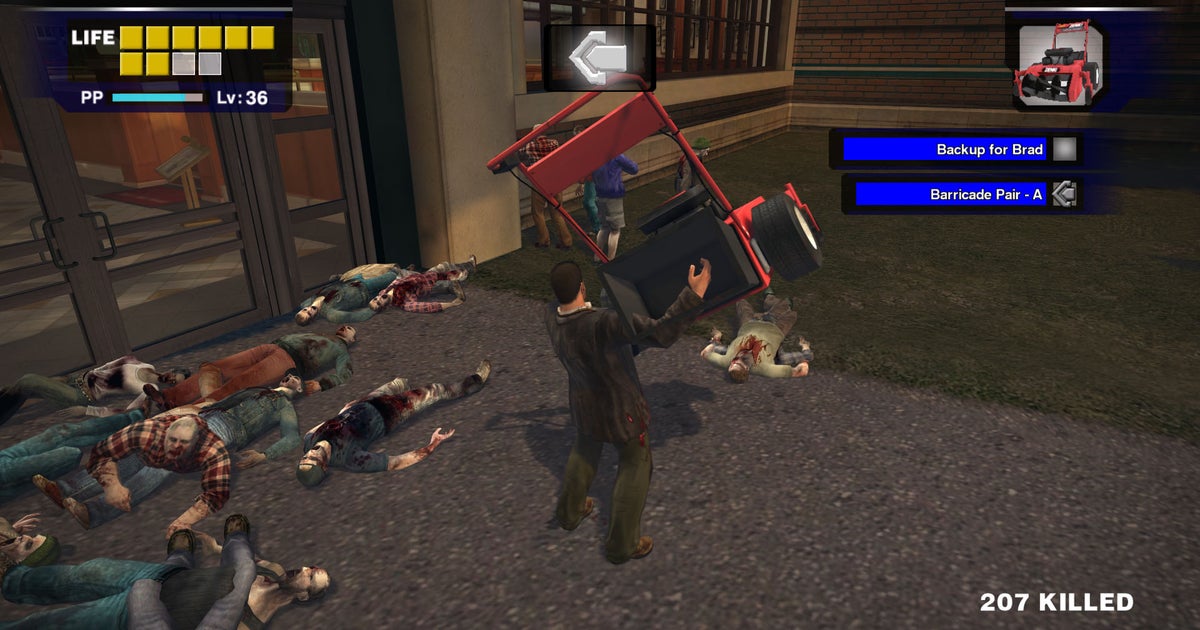
20 years ago, Dead Rising showed a different path for open worlds, and more games should pinch its ideas
Dead Rising showed developers there were different ways of doing open worlds. 20 years since its release, we go back and explore what we could of had.
i am going to solve the cyberpunk discourse forever. part 1: the pigs.
A while back, I replayed Mass Effect; my politics have shifted more towards the left since I last played it about four years prior, and I…
Game Dev Tree | The Paper Pilot
The Paper Pilot's digital garden of thoughts on philosophy, politics, and sociology
How we’ll fight the platform war against Big AI - Anil Dash
A blog about making culture. Since 1999.

How we’ll fight the platform war against Big AI - Anil Dash
A blog about making culture. Since 1999.
Vanishing Culture: A Report on Our Fragile Cultural Record (2026)
DOWNLOAD THE FREE EBOOK: PDFEPUBPURCHASE A PRINT COPY: Buy the book from Better World Books or any online bookstore.Order a copy through your local bookstore!LISTEN TO THE PODCAST (Release dates: July 1 - August 5, 2026): Vanishing Culture Episode #1: What We Stand to Lose with Luca MessarraVanishing Culture Episode #2: The Stories Hidden in Cookbooks with Katie LivingstonVanishing Culture Episode #3: Saving Queer Memory with Brooke PalmieriVanishing Culture Episdoe #4: Keeping African Folktales Alive with Helen Nde & Laura GibbsVanishing Culture Episode #5: A Language Worth Saving with Peter ScholingVanishing Culture Episode #6: What We've Learned with Vida Vojić & Alice BridgwoodABOUT VANISHING CULTURE: In today’s digital landscape, corporate interests, shifting distribution models, and malicious cyber attacks are threatening public access to our shared cultural history. The rise of streaming platforms and temporary licensing agreements means that sound recordings, books, films, and other cultural artifacts that used to be owned in physical form, are now at risk—in digital form—of disappearing from public view without ever being archived. Web sites like MTV News, Gawker, and others are removed from the live web by their corporate owners, leaving only web archives like those in the Wayback Machine as the last remaining public record of their reporting and cultural impact. Cyber attacks, like those against the Internet Archive, British Library, Seattle Public Library, Toronto Public Library and Calgary Public Library, are a new form of digital barrier, impeding access to information at community scale. When digital materials are vulnerable to sudden removal—whether by design or by attack—our collective memory is compromised, and the public's ability to access its own history is at risk. Vanishing Culture: A Report on Our Fragile Cultural Record aims to raise awareness of these growing issues, featuring essays from: Digital librarian Brewster Kahle, founder of the Internet Archive; Humanities scholar Luca Messarra; Book historian and social media star Allie Alvis; Game designer Jordan Mechner; Journalist Philip Bump; Writer and editor Maria Bustillos; Film archivist Rick Prelinger; Digital humanities scholar Nichole Misako Nomura; Writer and book artist Eve Scarborough; And many more… The report details recent instances of cultural loss, highlights the underlying causes, and emphasizes the critical role that public-serving libraries and archives must play in preserving these materials for future generations. By empowering libraries and archives legally, culturally, and financially, we can safeguard the public’s ability to maintain access to our cultural history and our digital future.

The Search For The Apolitical Video Game
» The Space Sim’s Last Hurrah The Digital Antiquarian
Amidst so much else, the 1990s saw the rise and fall of the narrative-driven space sim. The sub-genre was effectively invented in 1990, when Wing Commander dared to add a set-piece story line to the sturdy foundation of the more open-ended British classic Elite. It reached a peak of commercial and critical acceptance in 1994 with Wing Commander III and TIE Fighter, only to fall off the big publishers’ radar completely by shortly after the turn of the millennium. As you regular readers know, I’ve been writing the final installments to a lot of stories recently, a symptom of the period of churn and consolidation in which these histories currently find themselves. Now I’m on the verge of writing my last words on not just a company but a whole category of games as a mainstream commercial force — almost, I’m tempted to say, a whole subculture of gaming, one of the oddest of them all when you stop to think about it.
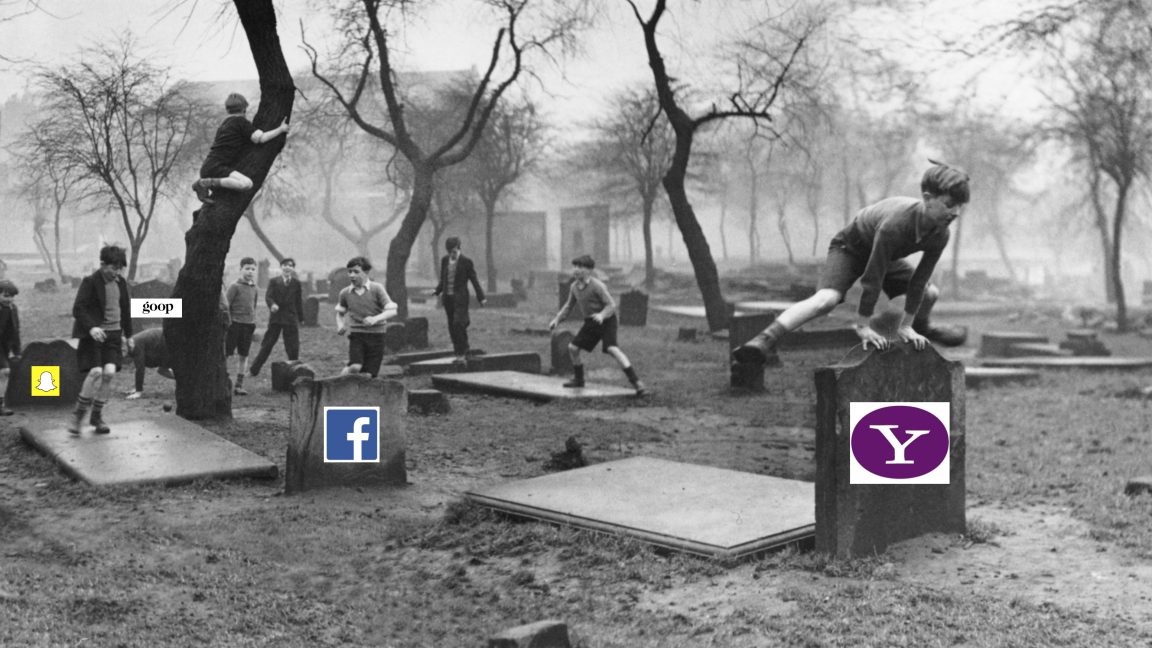
They’re dead to us: The Ars Technica 2019 Deathwatch
Companies, tech, and trends least likely to succeed in 2019, as chosen by Ars editors.
Hospicing Modernity
The book “Hospicing Modernity: Facing Humanity’s Wrongs and the Implications for Social Activism” was published in September 2021. If you are in Canada, you can purchase the book …

On Let's Plays — That Dragon, Cancer
I've been sitting here this morning paralyzed at what to say in response to this... The last few months since we launched That Dragon, Cancer have been pretty incredible. The mainstream culture, the gamer culture, and others have all embraced our story and been willing to listen to our heart a