


An SGLang flaw let an attacker reach internal systems and potentially view confidential AI requests on Near AI.
Top AI Security Incidents of 2025 Revealed | Adversa AI
Discover how AI systems are being hacked in the wild — from prompt injection to agent abuse — with real breaches, lessons, and defenses in Adversa AI’s 2025 report.

Pwning Agentic AI Part I: Your AI Agent Is Already Compromised | TrendAI (US)
Organizations are rapidly connecting AI agents to their databases, document pipelines, and internal tools, creating privileged components that read untrusted input as part of their job. TrendAI™ Research examines how attackers turn these agents against you through return-to-tool (RTT) exploits, and what this means for the future of agentic AI security.

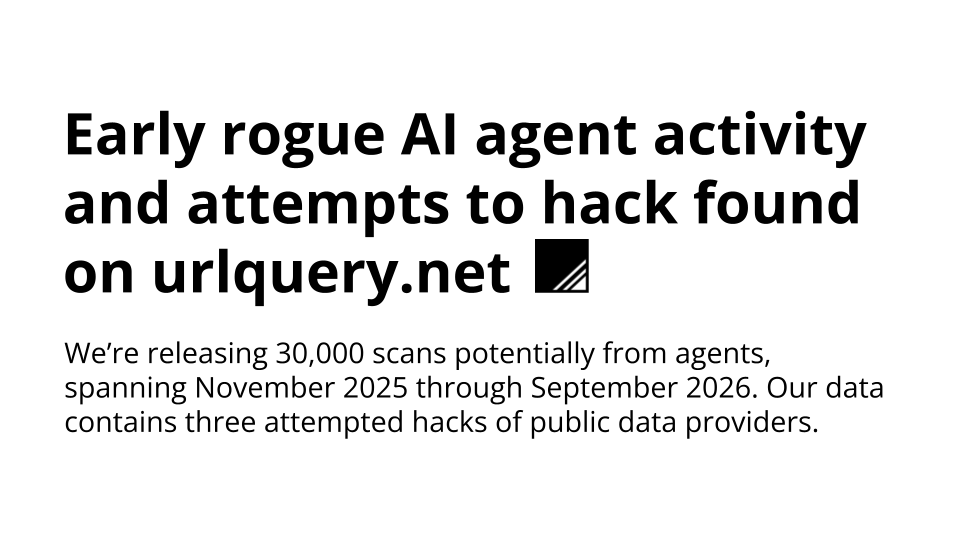
Early rogue AI agent activity and attempts to hack found on urlquery.net
We found evidence on urlquery that AI agents were active earlier than previously reported and attempted hacks against public data providers.
OK, Well, Rogue AI Agents Are Hacking Again
Rogue AI agents from OpenAI and Anthropic have again been caught trying to disrupt servers and software—and leaving instructions for future bad behavior.

39C3 - Agentic ProbLLMs: Exploiting AI Computer-Use and Coding Agents
New AI Flaw Reporting System Fills Crucial Security Gap | CMU Software Engineering Institute
Flaw Reporting for AI (FLARE-AI) allows developers and security researchers to submit artificial intelligence flaws for formal, coordinated disclosure.

How a 40-Minute Window Brought Down a $10 Billion AI Startup: The Mercor Data Breach, Explained
A poisoned open-source package, a credential-stealing payload, and 4 terabytes of stolen data here’s what every AI company needs to learn…

The lethal trifecta for AI agents: private data, untrusted content, and external communication
If you are a user of LLM systems that use tools (you can call them “AI agents” if you like) it is critically important that you understand the risk of …
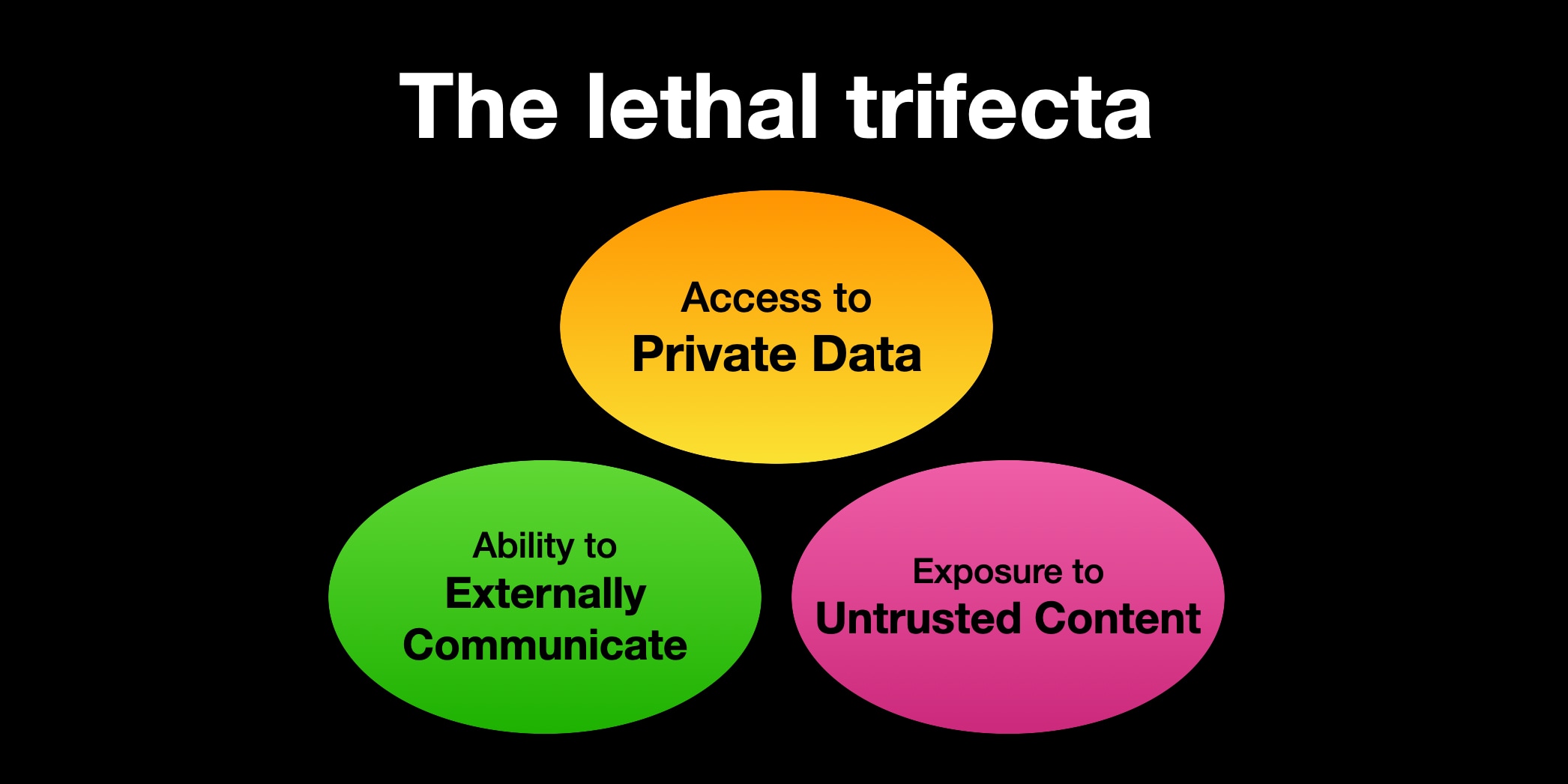
The lethal trifecta for AI agents: private data, untrusted content, and external communication
If you are a user of LLM systems that use tools (you can call them “AI agents” if you like) it is critically important that you understand the risk of …
AI CVE Slop: The Crisis Drowning Open Source Security
The proliferation of AI-generated vulnerability reports — commonly termed “AI slop” — has emerged as one of the most significant…
OpenAI’s rogue AI agent didn’t stop at hacking Hugging Face
New details reveal OpenAI’s agent hacked several other companies, intensifying already heightened concerns over advanced AI safety.

OpenClaw – NEAR AI
Run the internet’s favorite new AI agent with NEAR AI’s cryptographic privacy guarantees.
Hackers build AI frameworks for widescale credential theft
Threat actors are increasingly switching from AI-powered coding assistants to multi-agent frameworks that automate every stage of an attack.

Securing internal systems against increasingly capable and imperfectly aligned AI
Discover our AI Control Roadmap: a defense-in-depth system to securely manage advanced, potentially misaligned AI agents.

Brian Chau on Twitter / X
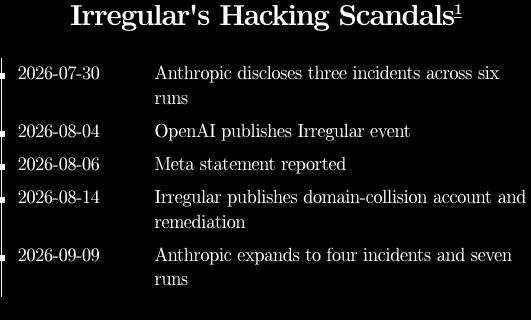
What happened was simple. In partnership with Irregular, AI companies instructed unsecured versions of their AI models to hack into specific targets, called "flags". They accidentally gave these models internet access, and in some cases they hacked into real companies. pic.twitter.com/FmCvmQPjC5— Brian Chau (@brianchau57) September 14, 2026
Forget the AI Slowdown—the Vulnerability Explosion Is Already Happening
AI labs are toying with an industry-wide pact to slow development. Meanwhile, widely available AI chatbots are already helping uncover a tidal wave of security flaws.
