Deep Research for scenario planning. Stress-test your strategy against thousands of possible futures with a realtime AI scenario generation engine.

Request for Proposals: The Launch Sequence | IFP
Apply to our rolling effort to find, scope, and build the most important projects to prepare the world for advanced AI
Deep Agents
Build deep agents that plan and execute complex tasks over longer time horizons. Learn the architecture behind Deep Research and Claude Code.

AI Almost Started a U.S.–China War — and No One Seems to Care
The tech world is too busy dreaming up imaginary doomsday scenarios to focus on a very real one that flared up between nuclear powers.
Selective Optimism: a critique of AI 2040
Some context for this post: I’ve been working part-time as a consultant for the AI Futures Project over the last year.

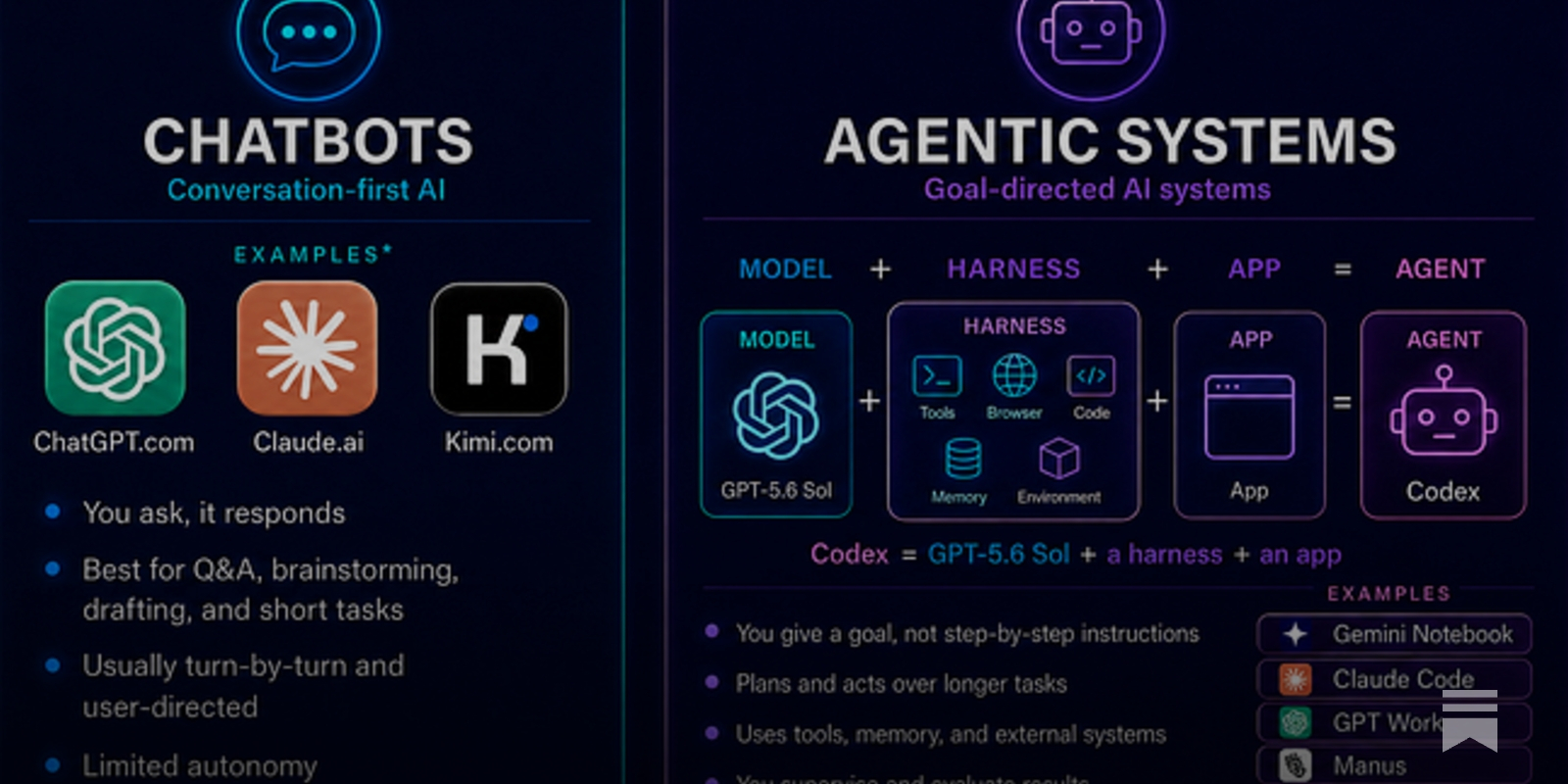
The future belongs to those who can refute AI, not just generate with AI
Why verification, not prompting, could shape the next decade of engineering

Deep Research, information vs. insight, and the nature of science
What AI will accelerate in the scientific process, what it cannot do, and how we can prepare for new manners of scientific investigation.
Mastering Real-Time Strategy Games with Deep Reinforcement Learning: Mere Mortal Edition
The capabilities of game-playing AIs have grown rapidly over the last few years. This trend has culminated in the defeat of top human players in the complex real-time strategy (RTS) games of DoTA 2…

What is AI Agent Security Plan 2026? Threats and Strategies Explained
Learn what AI agent security is, understand key threats like prompt injection and tool abuse, core AI security principles, and best practices to secure AI agents.


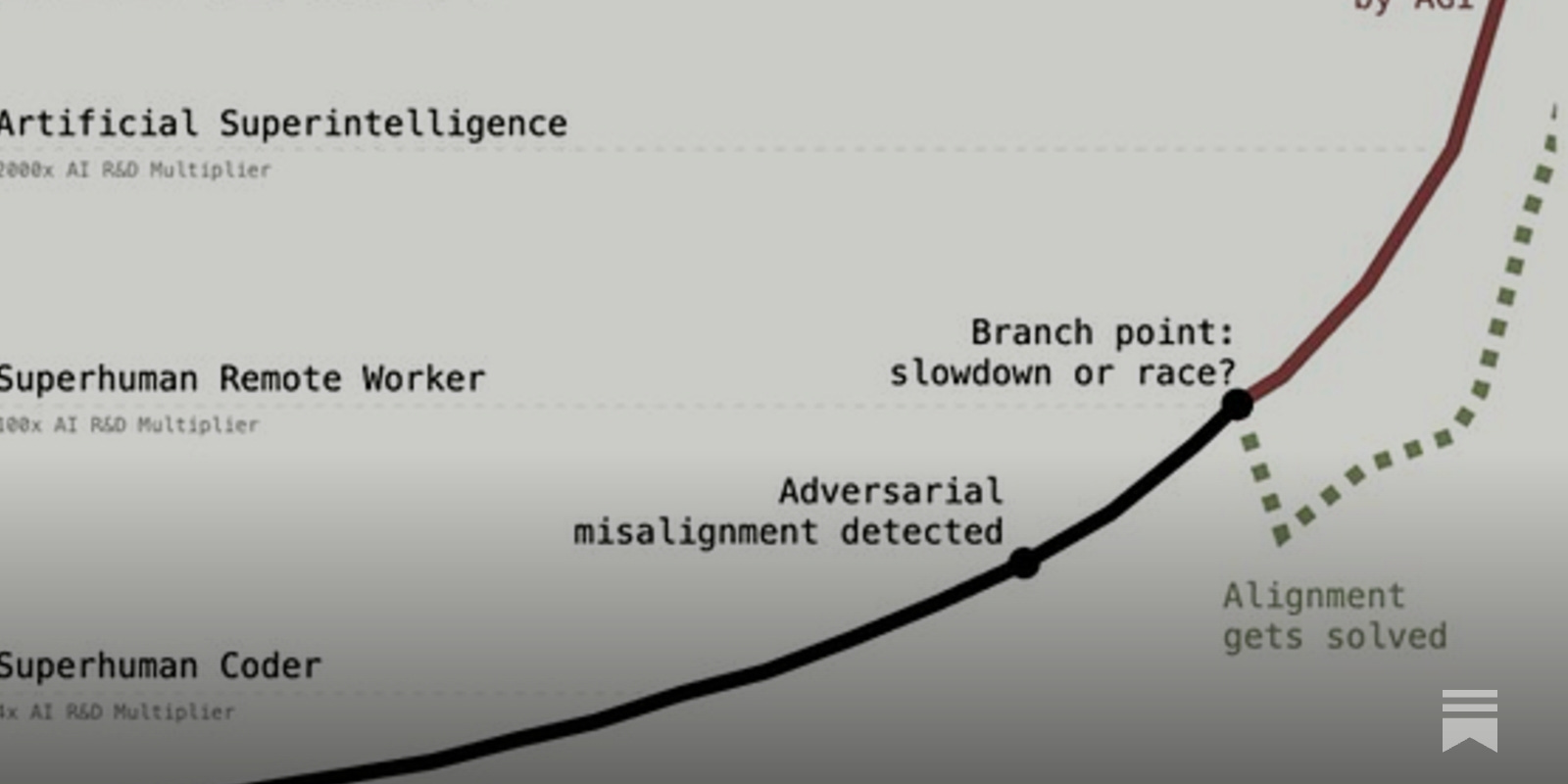
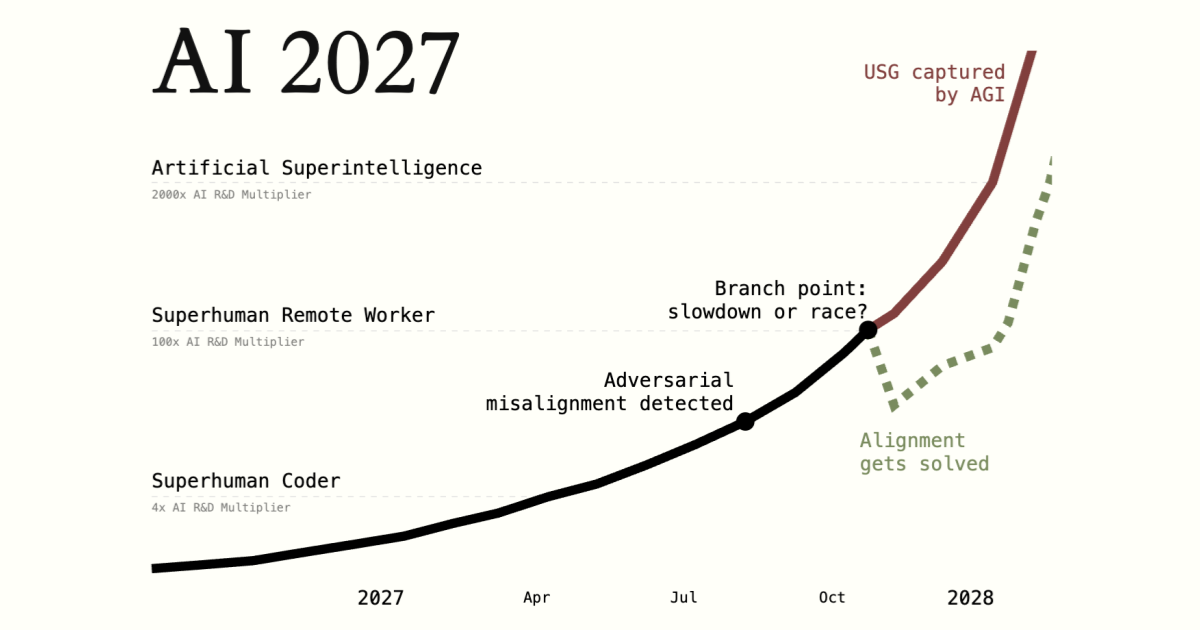
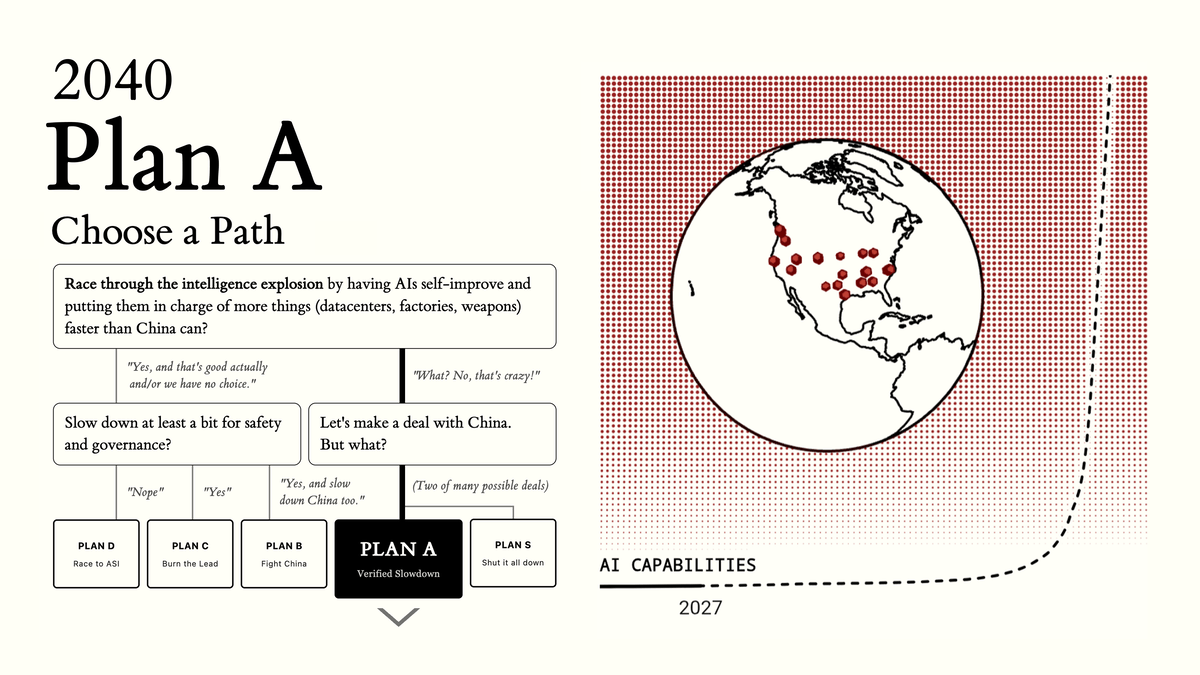
AI 2040: Plan A
A detailed forecast and recommendation for how the US, China and the rest of the world should navigate superintelligence.
AI 2040: Plan A
A detailed forecast and recommendation for how the US, China and the rest of the world should navigate superintelligence.
AI.Gov | President Trump's AI Strategy and Action Plan
Explore President Trump’s AI initiatives focused on innovation, infrastructure, international engagement, and youth education in artificial intelligence.