


from the archive, 1992
Part I: The Next Great Online Community
There’s a lack of innovation in community software. Let's dive into internet history, and get inspired!

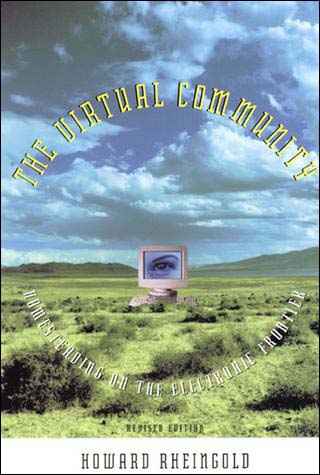
The Virtual Community: Homesteading on the Electronic Frontier
Howard Rheingold tours the 'virtual community' of online networking.Howard Rheingold has been called the First Citizen of the Internet. In this book he tou
A Declaration of the Independence of Cyberspace
by John Perry Barlow Governments of the Industrial World, you weary giants of flesh and steel, I come from Cyberspace, the new home of Mind. On behalf of the future, I ask you of the past to leave us

Thoughts on Cyberpositionality: The Construction of Digital Communities in Digital Spaces, Damien Patrick Williams
I found Rebecca Monteleone, Martin Perez Comisso, and Elma Hajric’s “Cyberpositionality: Sociotechnical Location in the Digital Age” (2024) to be an extremely timely and important article which can…

we were online
Turn the internet into a living, shared space with real-time traces of people browsing.
Cyberspace to Cyberplace
This post is a broad exploration, it doesn’t have a single central goal or thesis so I will be presenting quotes, resources, and various reflections on these to start circling around the topic from different angles.
The year we wanted the internet to be smaller
Why tiny, weird online communities made a comeback in 2017

FediForum | Growing the Open Social Web un-workshop, 2026/03/02

RIP social media. What comes next is messy.
As social media splinters, how can we keep the new online spaces from devolving into toxic pits of despair?

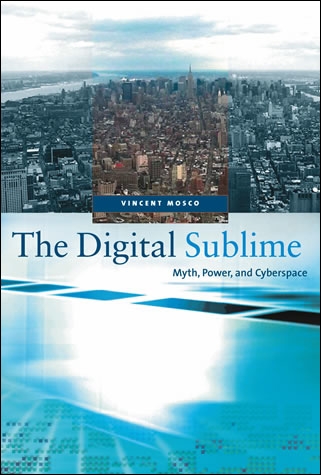
The Digital Sublime: Myth, Power, and Cyberspace
Interpreting the myths of the digital age: why we believed in the power of cyberspace to open up a new world.The digital era promises, as did many other te
Cybercultural: Internet History and Its Impact on Our Culture
Cybercultural is a website covering internet history and the evolution of digital culture.
Your Online Clubhouse
I’ve gotten in the habit of explaining Discourse to people as a clubhouse. A place on the Internet that belongs exclusively to you and your friends – whether you have 10 friends or a few hundred thousand.

The future of the internet is likely smaller communities, with a focus on curated experiences
As brands look to hold onto the internet of the past, the term “community” will become a loaded word.

The Relational Origins of Rules in Online Communities
Where do rules come from in online communities? This study investigates how and why online communities adopt and change their rules. We conducted a grounded theory-based analysis of 40 in-depth interviews with community leaders from subreddits, Fandom wikis, and Fediverse servers, and identified seven processes involved in the adoption of online community rules. Our findings reveal that, beyond operational reasons like regulating behavior and solving problems, rules are also adopted and changed for relational reasons, such as signaling or reinforcing community legitimacy and identity to other communities. While rule change was often prompted by challenges during community growth or decline, change also depended on volunteer leaders' work capacity, the presence of member feedback mechanisms, and relational dynamics between leaders and members. Our findings extend prior theories from social computing and organizational research, illustrating how institutionalist and ecological explanations of the relational origins of rules complement operational accounts. Finally, we build on these explanations to offer a set of design propositions that reflect the relational aspects of rules and rulemaking across communities' lifecycles.

The Relational Origins of Rules in Online Communities
Where do rules come from in online communities? This study investigates how and why online communities adopt and change their rules. We conducted a grounded theory-based analysis of 40 in-depth interviews with community leaders from subreddits, Fandom wikis, and Fediverse servers, and identified seven processes involved in the adoption of online community rules. Our findings reveal that, beyond operational reasons like regulating behavior and solving problems, rules are also adopted and changed for relational reasons, such as signaling or reinforcing community legitimacy and identity to other communities. While rule change was often prompted by challenges during community growth or decline, change also depended on volunteer leaders’ work capacity, the presence of member feedback mechanisms, and relational dynamics between leaders and members. Our findings extend prior theories from social computing and organizational research, illustrating how institutionalist and ecological explanations of the relational origins of rules complement operational accounts. Finally, we build on these explanations to offer a set of design propositions that reflect the relational aspects of rules and rulemaking across communities’ lifecycles.

The Internet is Full of Strangers | The Paper Pilot
The Paper Pilot's digital garden of thoughts on philosophy, politics, and sociology