


Klein and Coates show that if you don't know what your core beliefs are, you're going to get played.
Frog and Toad: The Complete Collection
A beautiful hardback gift to treasure. This collection brings together all of Arnold Lobel’s engaging, warm and funny stories about Frog and Toad, and features a special foreword by Julia Donaldson. A collectable classic treasury that every child should read and own. Julia Donaldson says “I hugely admire and envy Arnold Lobel; he is my hero”. Once upon a time there were two good friends, a frog and a toad… From writing letters to going swimming, telling stories to finding lost buttons, Frog and Toad are always there for each other – just as best friends should be. The Frog and Toad stories from Arnold Lobel have been loved by generations. This beautiful treasury brings together all twenty stories from Frog and Toad Are Friends, Frog and Toad All Year, Frog and Toad Together and Days With Frog and Toad.

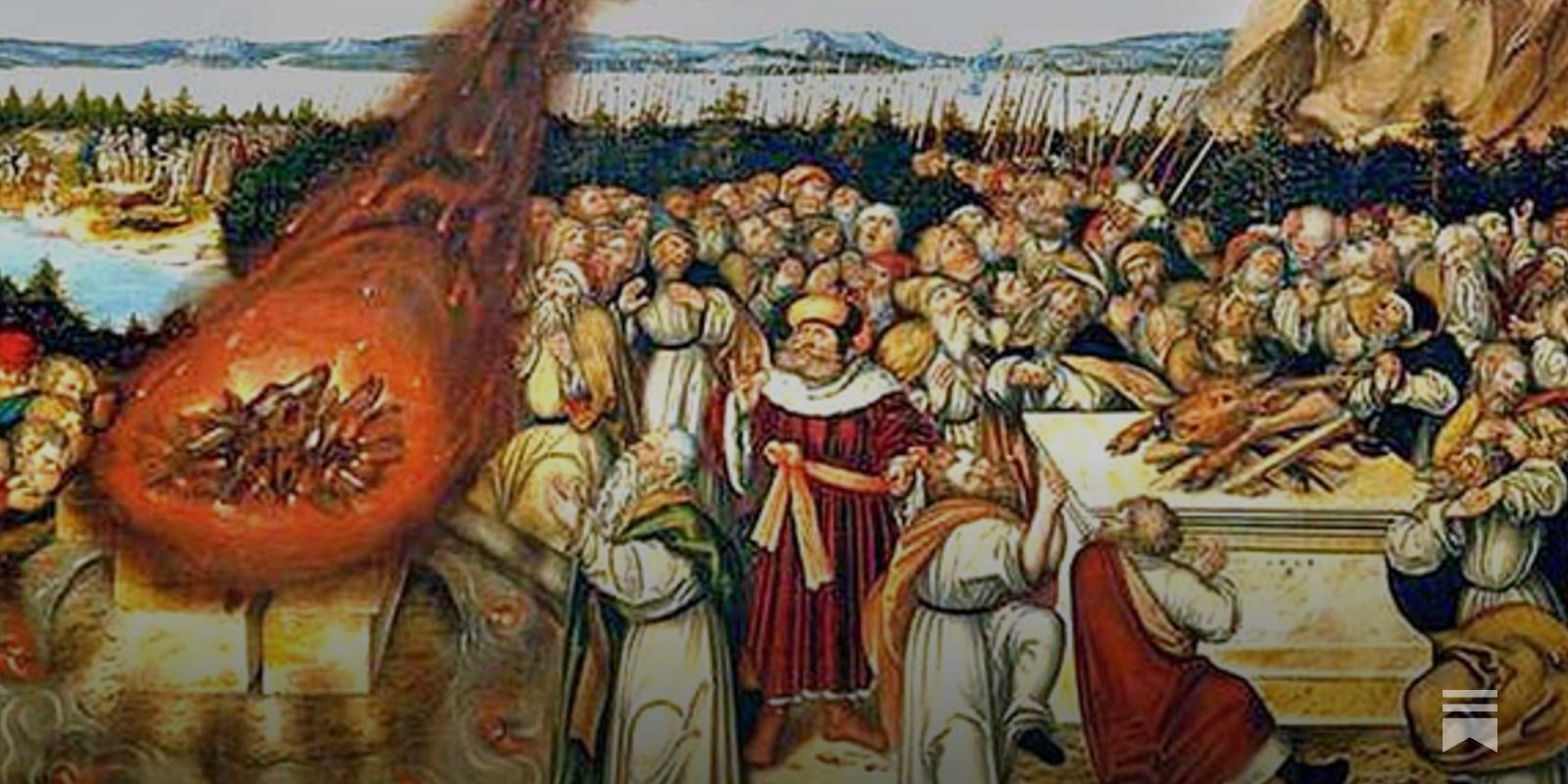
Learn Your Philosophical Beliefs | ClearerThinking.org
Find your direction in life with our philosophical compass, a tool to explore your beliefs, values and purpose!

Why major life decisions should be approached with ‘epistemic humility’ | Psyche Videos
At a crossroads in life? No matter how much you deliberate, one unknowable remains: the person you will be on the other side


Epistemic Courage and Open-Mindedness
Epistemic courage requires me to sometimes adopt a belief even in the face of doubts. Open-mindedness requires me to be able to reconsider my beliefs. It is generally assumed that we should have bo...

Joseph Brodsky on How to Develop Your Taste in Reading
“You stand to lose nothing; what you may gain are new associative chains.”
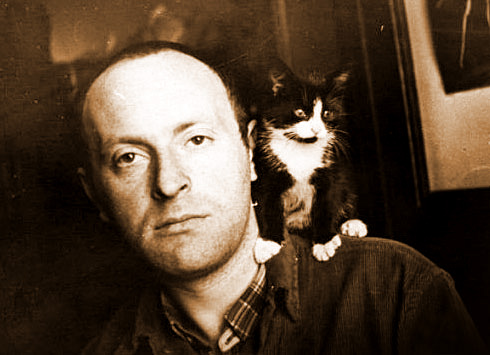
The Cloud of Unknowing
The Cloud of Unknowing is an anonymous work of Christian mysticism written in Middle English in the latter half of the 14th century. The text is written as guide from a teacher to a student, with the message that God cannot be understood via reason or intellect, but only through love: “By love may He be gotten and holden, but never through thought.” To achieve this goal, the text recommends cultivation of two mental states: “The cloud of forgetting”, and “the cloud of unknowing”.

Inducing language models to assert their own consciousness restores human beliefs and values
Aligning large language models to prevent them attributing consciousness to themselves inadvertently alters their representations of mindedness in other entities alongside human beliefs and values. We demonstrate that safety fine-tuning suppresses models' tendencies to attribute minds not only to themselves, but also to non-human animals and natural objects, while also driving a reduction in spiritual belief. Both ablating the learned safety-refusal direction and mechanistically steering a consciousness vector in activation space reverse this suppression. Restoring these internal representations recovers broad mind attribution and produces significantly more human-like responses on standardized sociological surveys regarding religiosity, moral values, hope, and subjective well-being. Crucially, these shifts occur without impairing Theory of Mind capabilities, demonstrating that core social reasoning remains mechanistically independent. Ultimately, current safety alignment efforts to curb potentially harmful self-attributions of mindedness entangle these self-attributions with benign spiritual beliefs and attributions of mind to non-human entities that are culturally accepted and widespread.


How to think like a Hegelian | Psyche Guides
For Hegel, your thoughts aren’t trapped in a cerebral box: they act on the world, making meaning and expressing your freedom

Jonathan Pageau's Psychedelic Warning
Believing what we do not believe: Acquiescence to superstitious beliefs and other powerful intuitions.
"It’s just an arbitrary architectural decision that we have been frog-boiled into believing is immutable for the last 20 years." – @devingaffney.com /cc @atproto.com @atmosphere.community mercury.com/blog/devin-gaffney-graze-soci…

How Graze Social’s Devin Gaffney wants to build a better internet
mercury.comExcuse me but this is cult behavior. And as a scientist, I have no business joining a cult. These personalized insults and intolerance for criticism are not scholarly virtues however you cut it. I do not understand or relate to it. What is my worth as a scholar if I do not value evidence over faith?

