


Learn how to do grounded theory, a popular qualitative research methodology where data collection and analysis happen together in cycles.
Document Analysis as a Qualitative Research Method
This article examines the function of documents as a data source in qualitative research and discusses document analysis procedure in the context of actual research experiences. Targeted to research novices, the article takes a nuts‐and‐bolts approach to document analysis. It describes the nature and forms of documents, outlines the advantages and limitations of document analysis, and offers specific examples of the use of documents in the research process. The application of document analysis to a grounded theory study is illustrated.

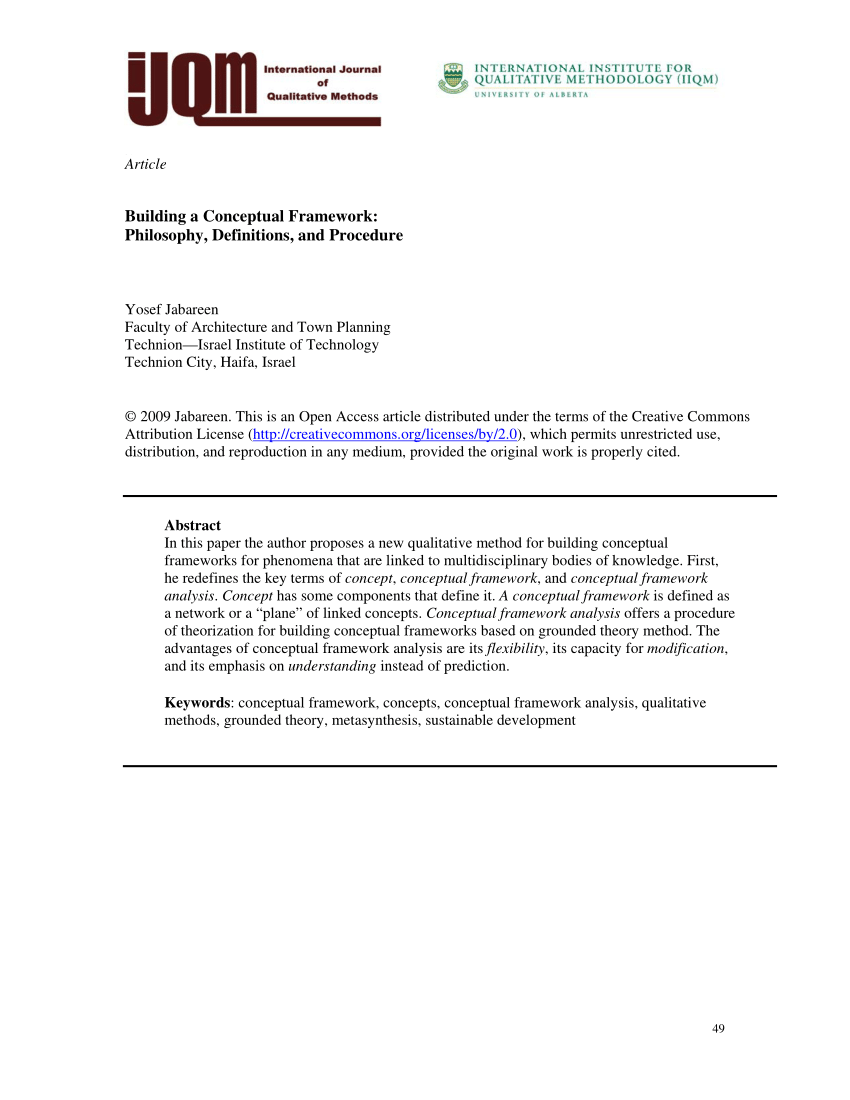
(PDF) Building a Conceptual Framework: Philosophy, Definitions, and Procedure
PDF | In this paper the author proposes a new qualitative method for building conceptual frameworks for phenomena that are linked to multidisciplinary... | Find, read and cite all the research you need on ResearchGate
Study Guide: One Day, Everyone Will Have Always Been Ag…
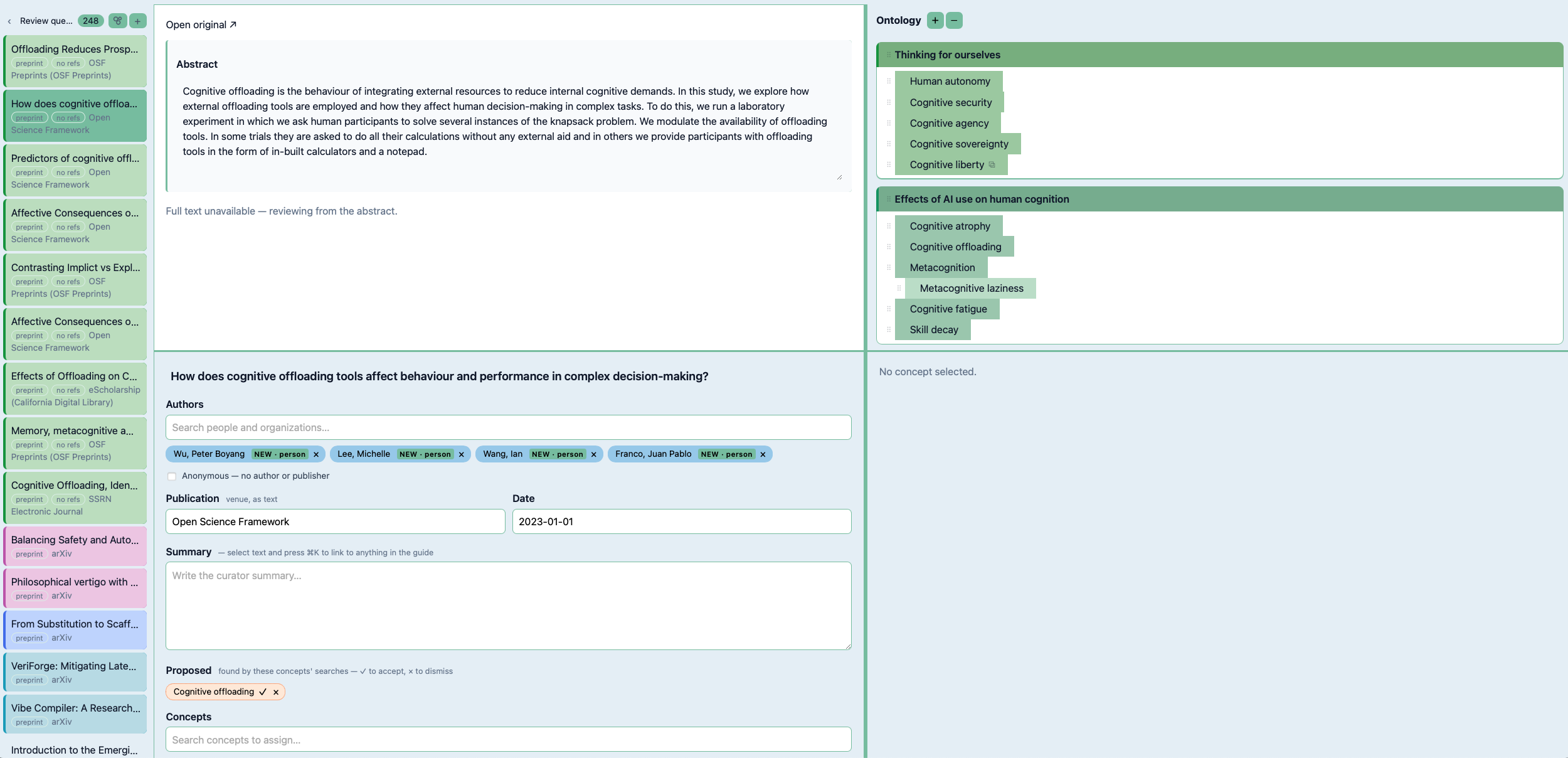
Analyzing literature can be hard — we make it easy! Thi…

Address research questions fast • Gems
Your qualitative study in one place, enhanced by AI.

Groundings with my Siblings: Lessons Learned Building for Community
I had the privilege of discussing Blacksky and AT Protocol at several different college campuses, conference venues and other settings along with webinars and doing user research. I plan to share those learnings to help others build better products and how we particularly plan to incorporate those learnings from both a product and operations standpoint.

A Framework of Open Practices
This is the second in a series of posts describing findings from industry research into best practices around open, collaborative methods…
Qualitative research: standards, challenges, and guidelines
Qualitative research methods could help us to improve our understanding of medicine. Rather than thinking of qualitative and quantitative strategies as incompatible, they should be seen as complementary. Although procedures for textual interpretation differ from those of statistical analysis, because of the different type of data used and questions to be answered, the underlying principles are much the same. In this article I propose relevance, validity, and reflexivity as overall standards for qualitative inquiry.

Datamethods Discussion Forum
This is a place for discussions and Q&A about data-related issues and quantitative methods including study design, data analysis, and interpretation.
Is replication <i>possible</i> in qualitative research? A response to Makel et al. (2022)
There has been much debate in recent years about how open research practices, which have been promoted in efforts to improve research robustness, may (not) be appropriate for qualitative methodolog...

Conducting a Qualitative Document Analysis
Document analysis has been an underused approach to qualitative research. This approach can be valuable for various reasons. When used to analyze pre-existing texts, this method allows researchers to conduct studies they might otherwise not be able to complete. Some researchers may not have the resources or time needed to do field research. Although videoconferencing technology and other types of software can be used to reduce some of the obstacles qualitative researchers sometimes encounter, these tools are associated with various problems. Participants might be unskillful in using technology or may not be able to afford it. Conducting a document analysis can also reduce some of the ethical concerns associated with other qualitative methods. Since document analysis is a valuable research method, one would expect to find a wide variety of literature on this topic. Unfortunately, the literature on documentary research is scant. This paper is designed to close the gap in the literature on conducting a qualitative document analysis by focusing on the advantages and limitations of using documents as a source of data and providing strategies for selecting documents. It also offers reasons for using reflexive thematic analysis and includes a hypothetical example of how a researcher might conduct a document analysis.
See what you think
Allegra A. Beal Cohen's blog about knowledge curation, new interfaces, and large-scale qualitative data.
Connectivism (Siemens, Downes) – Learning Theories
Keywords: communication, connection, distributed cognition, distributed learning, information, Internet, knowledge sharing, links, massive open online course (MOOC), nodes, online, open educational resources (OER), social networks

Foundational research — Passing the Message Stick
We can build widespread support for self-determination and justice when we lead with our strength and solutions.

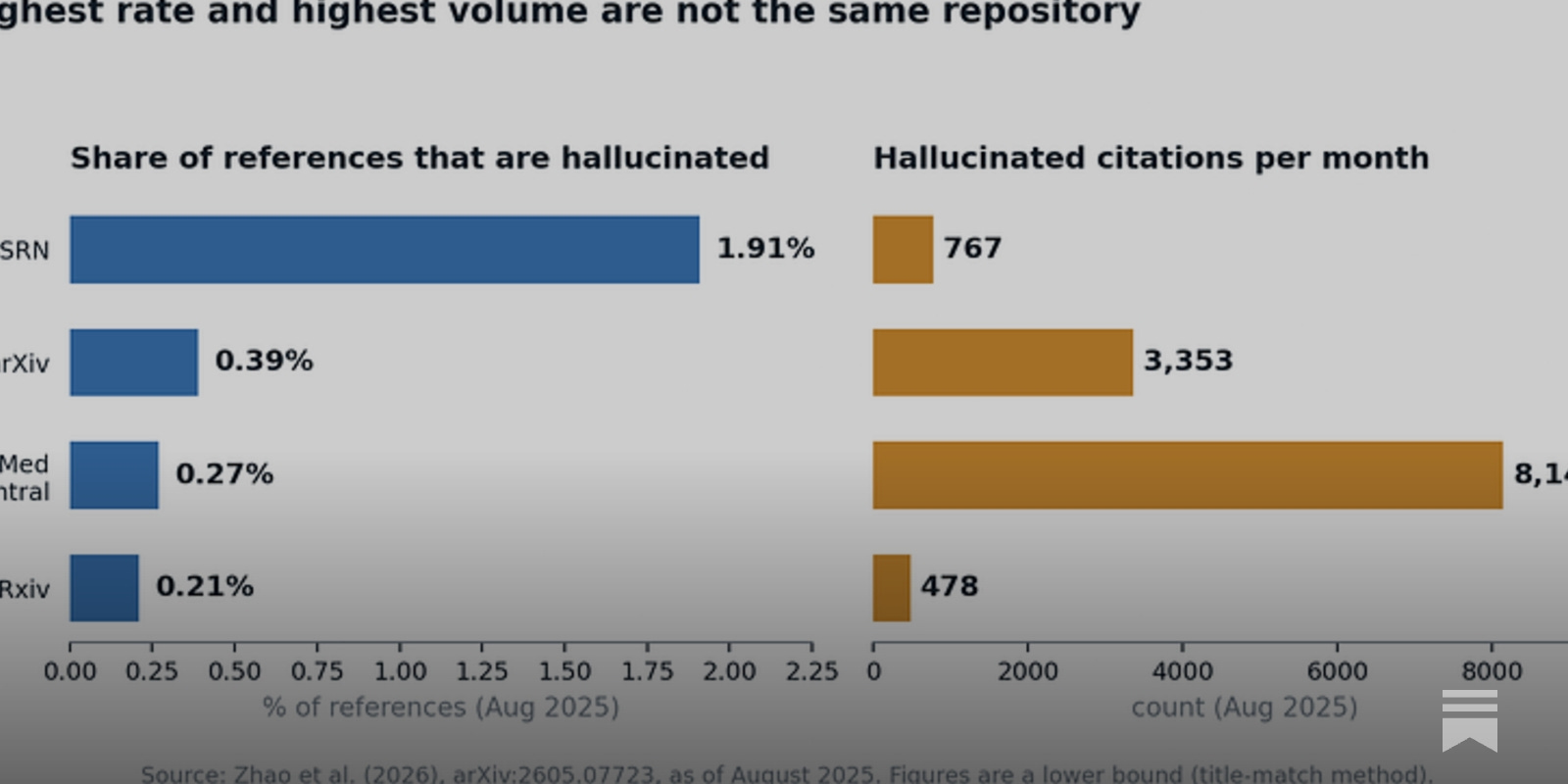
Ground the model, or it invents the evidence
Trusted, curated, subject-specific models are needed for academia
We Reject the Use of Generative Artificial Intelligence for Reflexive Qualitative Research
Four hundred and nineteen experienced qualitative researchers from 32 countries invite readers of Qualitative Inquiry to consider their position on use of generative artificial intelligence (GenAI) for qualitative research. We hold the position that analytic approaches such as reflexive thematic analysis are human research practices requiring a subjective, positioned, and reflexive researcher and therefore the use of GenAI in such approaches is not methodologically congruent. We additionally reject GenAI for reflexive qualitative approaches on the grounds of social and environmental justice.

Participatory Action Research

A bunch of us are learning about how to convene and facilitate Participatory Action Research. This is an unorganized reading list of the best resources, references, etc we can find to school up on frameworks and approaches.
ParticipatoryEcosystem

Ronen Tamari (@ronentk.me)