
A French civil servant who facilitated the historic process explains what happened, from start to finish
The French Protests and French History
Whenever France erupts in protests, the question arises: how does French history help explain what is going on?
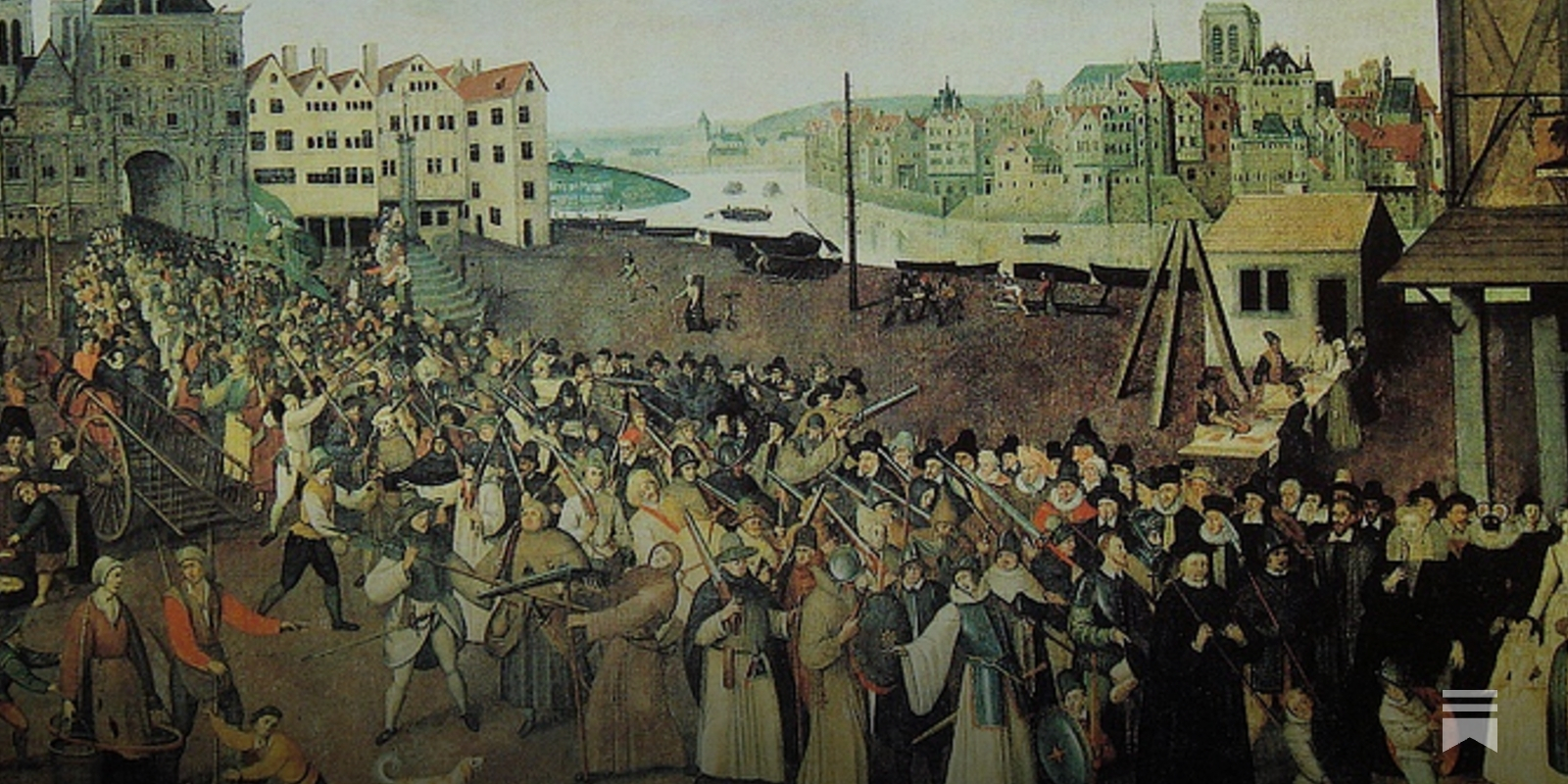
Individuals, institutions, and innovation in the debates of the French Revolution
Significance How do democracies make decisions? We can read transcripts from parliament houses and legislative halls to see how particular ideas are introduced and debated, but we understand very little about the general principles of how these systems deal with information, or the origins of those principles. Here we study the parliamentary assembly of the first 2 years of the French Revolution, a model for democracies and revolutions across the globe, and show how patterns of speaking are created, picked up, and ignored or propagated. Political ideology, top–down rules, and individual charisma all affect how word patterns survive and thrive or, conversely, disappear and drop away. , The French Revolution brought principles of “liberty, equality, fraternity” to bear on the day-to-day challenges of governing what was then the largest country in Europe. Its experiments provided a model for future revolutions and democracies across the globe, but this first modern revolution had no model to follow. Using reconstructed transcripts of debates held in the Revolution’s first parliament, we present a quantitative analysis of how this body managed innovation. We use information theory to track the creation, transmission, and destruction of word-use patterns across over 40,000 speeches and a thousand speakers. The parliament as a whole was biased toward the adoption of new patterns, but speakers’ individual qualities could break these overall trends. Speakers on the left innovated at higher rates, while speakers on the right acted to preserve prior patterns. Key players such as Robespierre (on the left) and Abbé Maury (on the right) played information-processing roles emblematic of their politics. Newly created organizational functions—such as the Assembly president and committee chairs—had significant effects on debate outcomes, and a distinct transition appears midway through the parliament when committees, external to the debate process, gained new powers to “propose and dispose.” Taken together, these quantitative results align with existing qualitative interpretations, but also reveal crucial information-processing dynamics that have hitherto been overlooked. Great orators had the public’s attention, but deputies (mostly on the political left) who mastered the committee system gained new powers to shape revolutionary legislation.

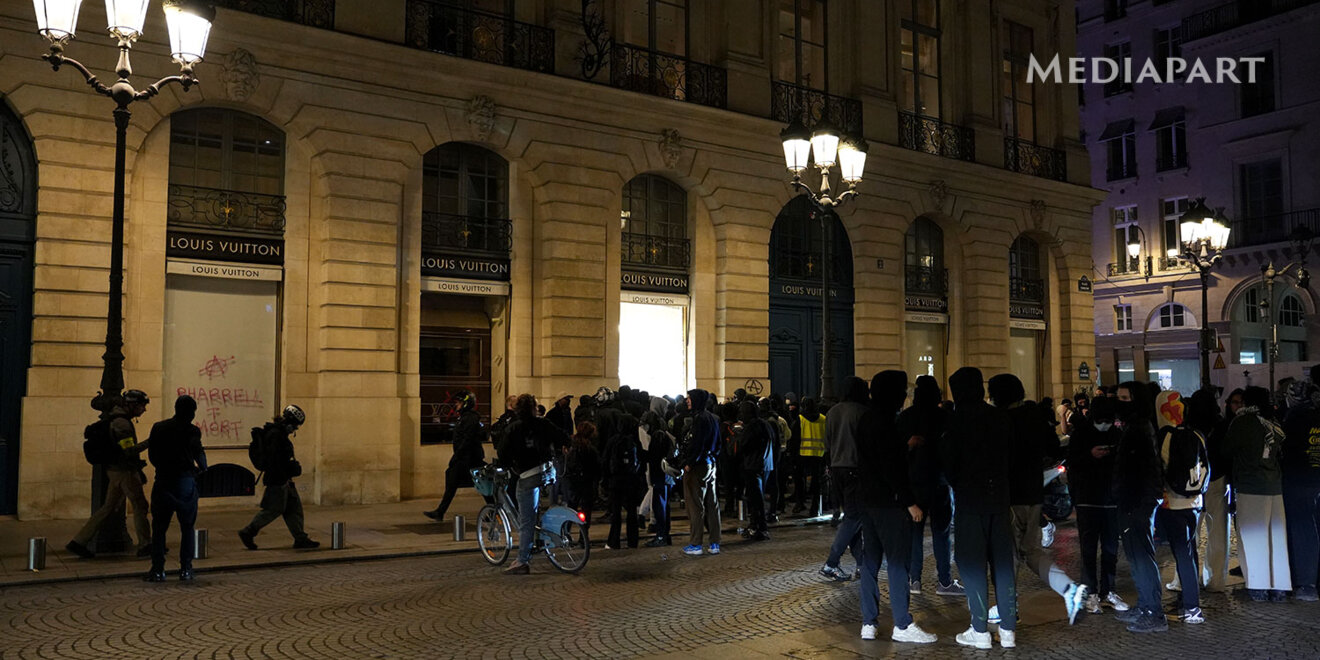
French protests: the post-insurrection 'hangover' in Paris
There were unprecedented scenes of violence and rioting surrounding nationwide protests in France on Saturday, when up to 800,000 demonstrators voiced a variety of grievances, from students denounci…
Bills and Legislation | Legislative Assembly of BC
Making laws is one of the primary functions of the Legislative Assembly, and the legislative process is a substantial focus of each sitting day. A bill must pass through several stages before becoming law. Except in urgent or exceptional cases, each stage occurs on a different day to allow detailed examination of each bill.
The 2024 French legislative elections: maintaining elections, political crisis
The 2024 French legislative elections were called by President Macron following the severe defeat of his coalition in the 2024 European elections. Held on 30 June and 7 July after a 3-week campaign...

Sondage exclusif : les Français ont soif de transition écologique et sociale - Réseau Action Climat
À 8 semaines des élections municipales, les électeurs et électrices font entendre un message clair : les candidats doivent poursuivre la transition écologique au plus près des Français, dans leurs communes.

Baromètre de la confiance politique CEVIPOF 2025 : le grand désarroi démocratique
Rejet, méfiance, découragement : l'enquête annuelle de référence du CEVIPOF dresse un constat alarmant sur la perception de la politique en France.

Save Europe Act : enquête sur les réseaux et les entreprises derrière la campagne de l'extrême droite pour la « remigration »
Avec le « Save Europe Act », l’extrême droite mène campagne pour imposer dans le public l’idée d’une expulsion de masse, ou « remigration » des étrangers présents sur le vieux continent. Une conférence sur (…)

Claude's new constitution
A new approach to a foundational document that expresses and shapes who Claude is
Directive 2004/38/EC
European Parliament and Council Directive 2004/38/EC of 29 April 2004 is about the right of citizens of the Union and their family members to move and reside freely within the territory of the EU a…

Législatives de 2024 : de la sidération à l’effarement - Fondation Jean-Jaurès
Les dernières législatives révèlent un paysage politique quasi-tripartite, qui devrait nous pousser à changer de culture politique.

IFES Election Guide | Elections: French National Assembly 2024 Round 1
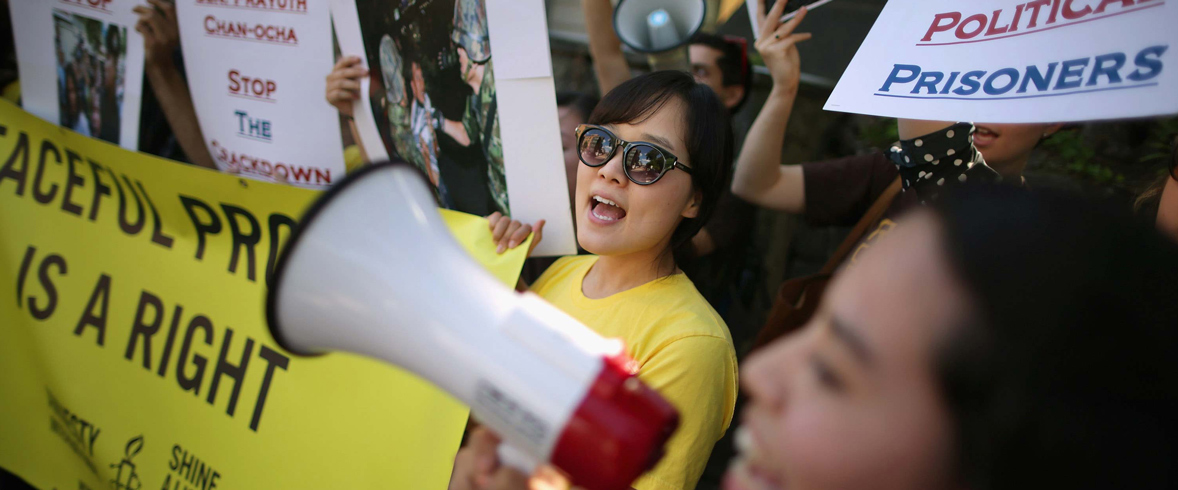
France: Thousands of protesters wrongly punished under draconian laws in pre and post COVID-19 crackdown
Three years after Emmanuel Macron made an election pledge to protect the right to peaceful assembly, peaceful protest faces an unprecedented attack
Sign on: Civil society letter against Bill C-22
This form is for signing yourself or your organisation on to the joint civil society letter against Bill C-22. Read the letter in French or in English. This letter was submitted to government on April 21, but remains open to endorsement and will be submitted to the Public Safety parliamentary Committee (tasked with reviewing Bill C-22) with a broader list of endorsements in May. The letter is closed for edits. If you have any questions or concerns, contact matt@openmedia.org.

Government Bill (House of Commons) C-22 (45-1) - First Reading - Lawful Access Act, 2026 - Parliament of Canada
Government Bill (House of Commons) C-22 (45-1) - First Reading - Lawful Access Act, 2026 - Parliament of Canada

Corruption : la police décrypte le manuel du pot-de-vin des grandes entreprises françaises
Comme tout phénomène criminel, la délinquance en col blanc s’adapte à son époque et aux évolutions législatives. Un rapport policier, obtenu par Mediapart, analyse les méthodes corruptrices utilisées…