

We've all been there: you learn a few things and it all seems so simple, but when it comes time to make something yourself, it doesn't look right! In this tutorial, we'll start with some "beginner's pixel art" and we'll make edits to it in order to show off some common mistakes and their solutions. One of the hardest parts of making art is self-critique - we're often too close to our art to look at it objectively. Asking other artists to edit your work by way of feedback can be a great way to illuminate problems that you may not see. (But keep in mind that it's considered rude to create an edit of someone's work unless they specifically asked for one.)
Pixel Joint Forum: The Pixel Art Tutorial

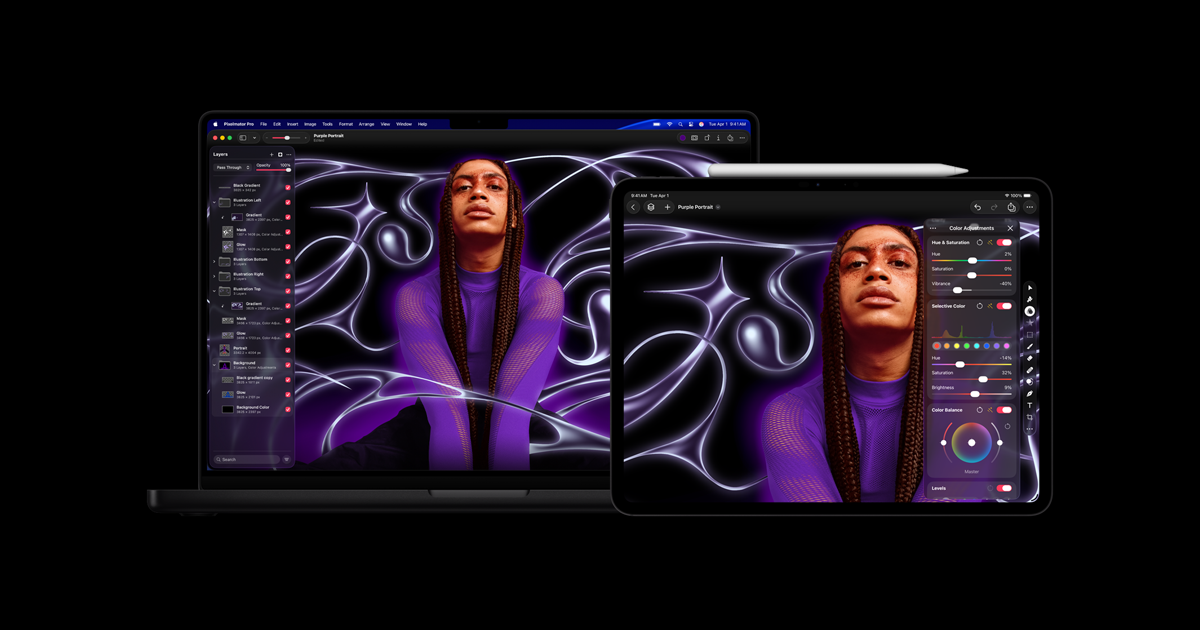
Pixelmator Pro
Pixelmator Pro is a powerful, easy-to-use image editor that brings professional tools and powerful AI features to everyone across Mac and iPad.
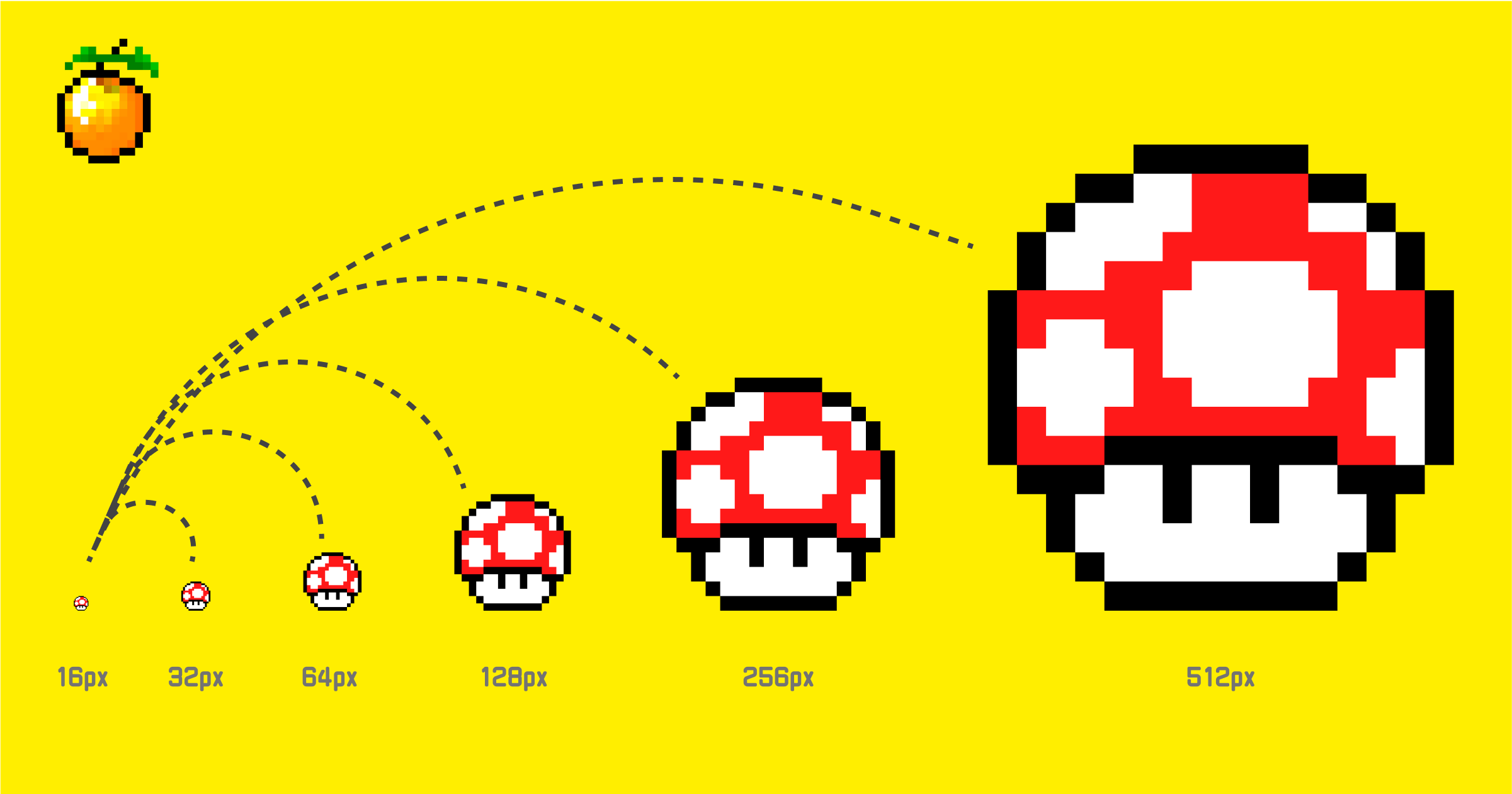
Preserving the Pixel Art Look in Web Content
Learn essential CSS techniques, scaling strategies, and design principles that preserve the crisp, totally-cool aesthetic of pixel graphics across high-resolution displays and responsive web environments.
ICM Photography Tutorial – Intentional Camera Movement
Glaze: Protecting Artists from Style Mimicry by Text-to-Image Models
Recent text-to-image diffusion models such as MidJourney and Stable Diffusion threaten to displace many in the professional artist community. In particular, models can learn to mimic the artistic style of specific artists after "fine-tuning" on samples of their art. In this paper, we describe the design, implementation and evaluation of Glaze, a tool that enables artists to apply "style cloaks" to their art before sharing online. These cloaks apply barely perceptible perturbations to images, and when used as training data, mislead generative models that try to mimic a specific artist. In coordination with the professional artist community, we deploy user studies to more than 1000 artists, assessing their views of AI art, as well as the efficacy of our tool, its usability and tolerability of perturbations, and robustness across different scenarios and against adaptive countermeasures. Both surveyed artists and empirical CLIP-based scores show that even at low perturbation levels (p=0.05), Glaze is highly successful at disrupting mimicry under normal conditions (>92%) and against adaptive countermeasures (>85%).

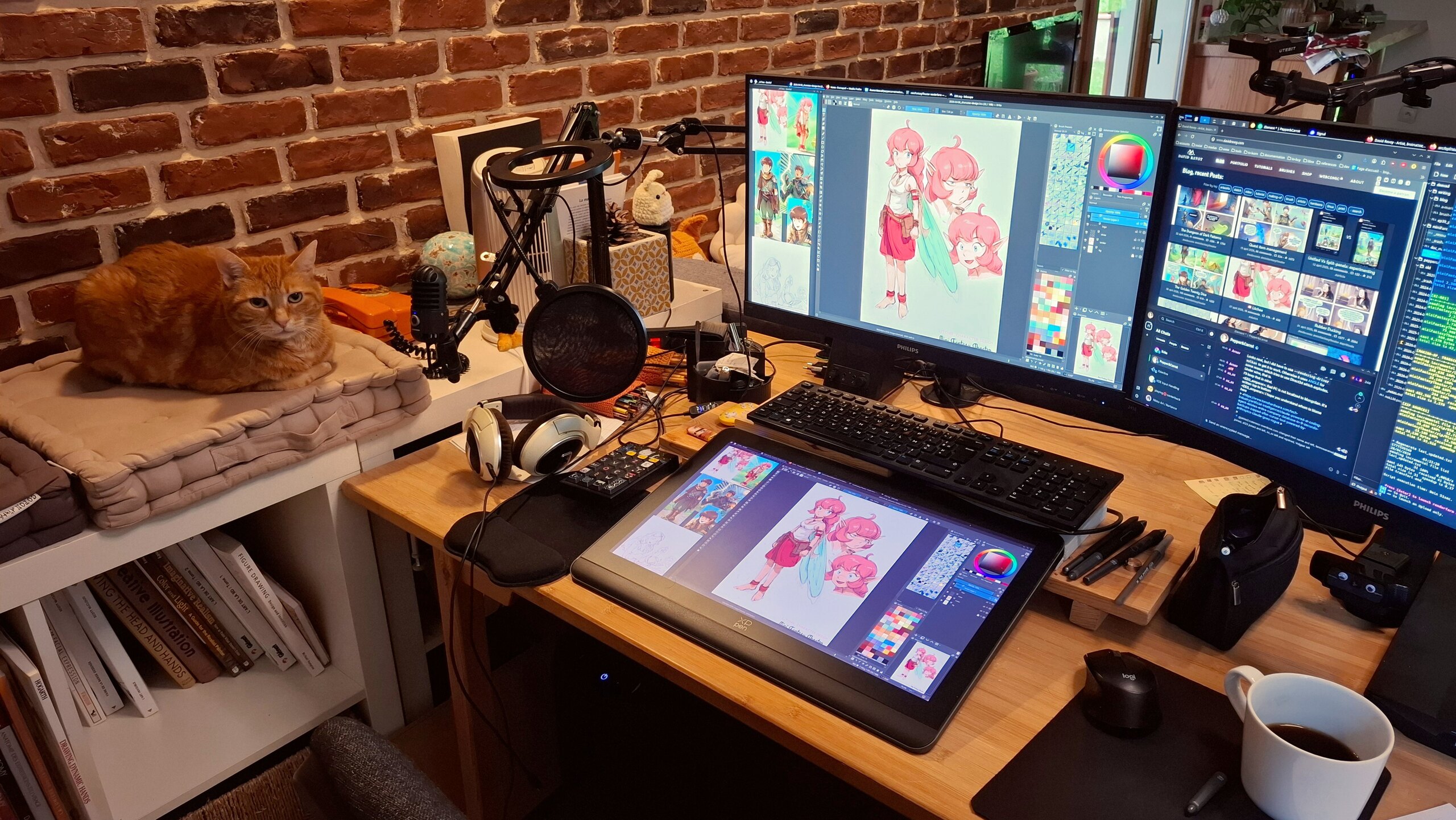
Interim Install Guide: KDE Neon User Edition for a professional digital painter workstation
Disclaimer: this article was not written, prompt or proofread using AI/LLM. If my sentences are weird, and with typos: all my apologies. Blame the fact that I'm French and I'm mostly self-taught when it comes to English.
Fundamental design principles for non-designers
By Anna 4erepawko Mészáros This one is for all the content creators out there who can’t afford to pay a professional designer, as well as for non-designers on a team where designers are always too busy to help. If you can follow these simple steps, I...

How Sketching Helps Me Develop Ideas
Sketching isn’t about perfection—it’s about thinking through ideas and making them easier to share.

i am also trying to do this, but first i’m trying to make it look nice

paco
i have been thinking about + building a local first super-app that works off an encrypted personal data store. some ideas: 1 the data store represents "the digital you" – a .life file containing a structured data graph of contacts, events, notes, media, webpages, etc.
Whatever, we can just do things. First basic pass as a scratchpad for a future site. Images obviously need to be better, and I don't know why the second image goes past full bleed, but it's a starting to point for brainstorming. It's *something*. Let's just do it, why are we wasting time.
Your Atmosphere Account
leaflet.pub
dan
ok that seems good. next there needs to be a place that explains what Atmosphere is in less than two pagedowns


