

A machine-readable format for design system documentation. DSDS structures components, tokens, themes, foundations, patterns, and guides as a single source of truth for humans, parsers, and agents.
Design Tokens Format Module 2025.10
This document describes the technical specification for a file format to exchange design tokens between different tools.
Specs 2
Specs 2 is an ecosystem for specs driven component development. Via the plugin, turn a selected Figma component or component set into a compact, complete, schema-valid specification — computed directly from the file, not inferred from a screenshot. From the command line, generate specs from an en...

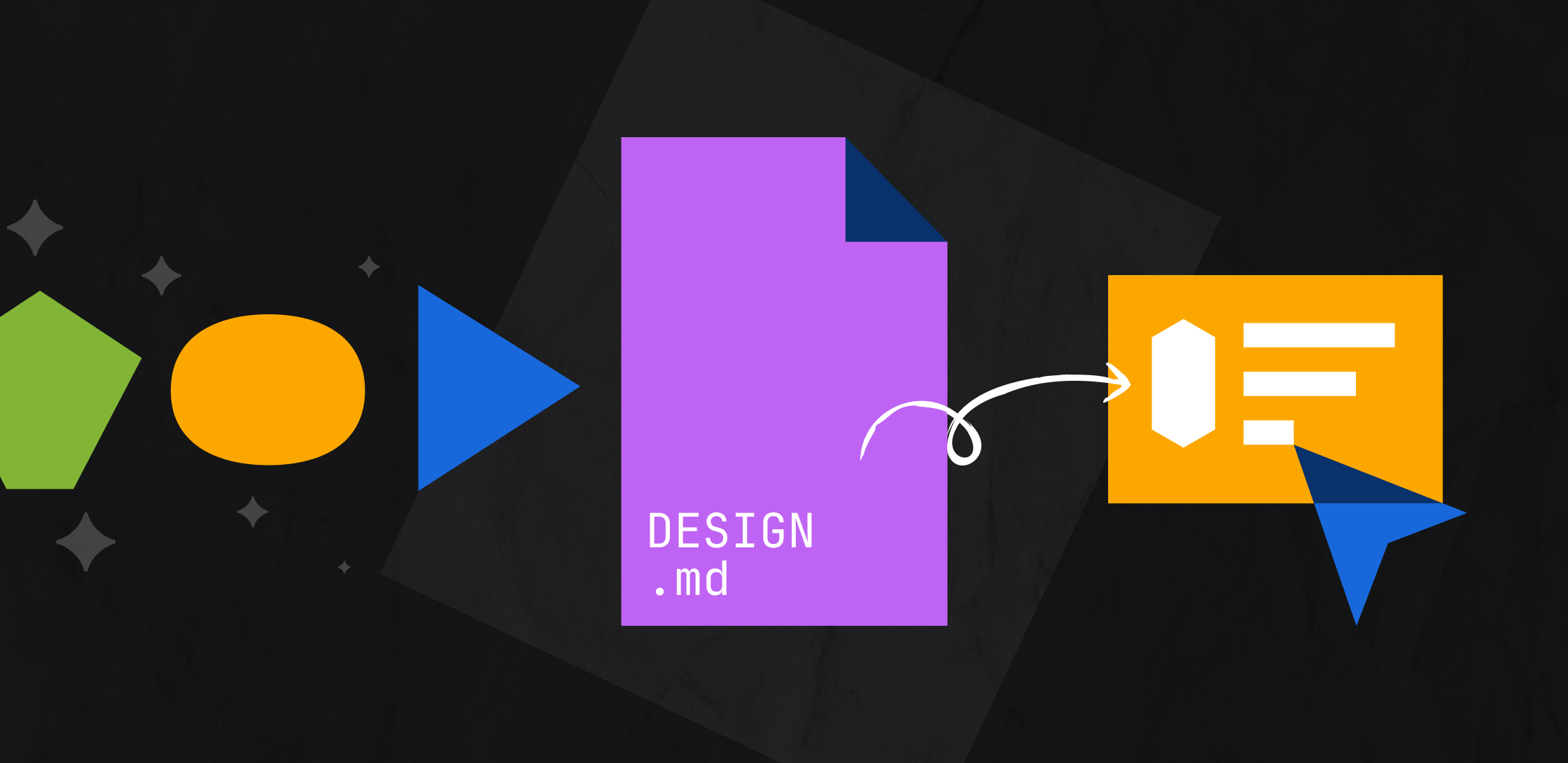
Atlassian's DESIGN.md is here: what we learned testing portable design context in practice - Inside Atlassian
We tested Google's DESIGN.md format against our MCP server and AI skills to see where a single portable markdown file fits in your design system tooling. Here's what we learned.
Design Systems vs. Style Guides
Design systems are a set of standards (like Google’s Material Design or IBM’s Carbon Design System) needed to manage design at scale. Style guides (like content or visual style guides) are just one piece in a design system.

Show me the data - Design Notes
standards.group
standards.group — a forge for specs. Write, version, and publish specifications from your own AT Protocol account.
The Lore Version Control System - Lore Developer Documentation
A reference document explaining the rationale, goals, and theoretical design of Lore. This is not a peer-reviewed paper; it is a public-facing standalone description of the system, intended to make the why of Lore - the problems it was built to solve and the design choices that follow from those problems - as legible as a reader can make it without reading the source code.
The Specification Is Not a Document - The Phoenix Architecture
Imagine joining a software project a few years from now. It is a large, mature system. It has thousands of business rules, years of operational experience,…
Full featured documentation deployment platform
Read the Docs is a documentation building and hosting platform aimed at helping developers creating documentation from code with versioned documentation, integrated search, pull request previews and more.
Inside Design Tokens: Modeling & Communication
Design system architecture with focus on design tokens, that form the vocabulary of your visual design language, helping to streamline the communication amongst stakeholders. Modeling the system with boundaries to ensure clear purpose and predictability for design tokens and stability guarantees wit
ashishps1/awesome-system-design-resources
Learn System Design concepts and prepare for interviews using free resources.
Docs as Code: The Best Guide for Technical Writers
Recently, my work has involved writing a lot of documentation and. Doing this has introduced me to...

Introduction · Standard Reader
Build on Standard — an open reading network on the AT Protocol. What the developer docs cover.