Learn how IDEO uses design thinking to help teams solve complex problems through human-centered innovation, creativity, collaboration, and impact.
Design Kit
Design Kit is IDEO.org's platform to learn human-centered design, a creative approach to solving the world's most difficult problems.
Design Thinking
In the past, design has most often occurred fairly far downstream in the development process and has focused on making new products aesthetically attractive or enhancing brand perception through smart, evocative advertising. Today, as innovation’s terrain expands to encompass human-centered processes and services as well as products, companies are asking designers to create ideas rather than to simply dress them up. Brown, the CEO and president of the innovation and design firm IDEO, is a leading proponent of design thinking—a method of meeting people’s needs and desires in a technologically feasible and strategically viable way. In this article he offers several intriguing examples of the discipline at work. One involves a collaboration between frontline employees from health care provider Kaiser Permanente and Brown’s firm to reengineer nursing-staff shift changes at four Kaiser hospitals. Close observation of actual shift changes, combined with brainstorming and rapid prototyping, produced new procedures and software that radically streamlined information exchange between shifts. The result was more time for nursing, better-informed patient care, and a happier nursing staff. Another involves the Japanese bicycle components manufacturer Shimano, which worked with IDEO to learn why 90% of American adults don’t ride bikes. The interdisciplinary project team discovered that intimidating retail experiences, the complexity and cost of sophisticated bikes, and the danger of cycling on heavily trafficked roads had overshadowed people’s happy memories of childhood biking. So the team created a brand concept—“Coasting”—to describe a whole new category of biking and developed new in-store retailing strategies, a public relations campaign to identify safe places to cycle, and a reference design to inspire designers at the companies that went on to manufacture Coasting bikes. [hbr_brightcove id=”4443548301001″]

COMMUNITY-BASED, HUMAN-CENTERED DESIGN
We propose a radical change in design from experts designing for people to people designing for themselves, leveraging the creativity of communities to solve their own problems. People in communiti…

On Design Thinking | Maggie Gram
By embracing “design thinking,” we attribute to design a kind of superior epistemology: a way of knowing, of “solving,” that is better than the old and local and blue-collar and municipal and unionized and customary ways. We bring in “design thinkers” — some of them designers by trade, many of them members of adjacent knowledge fields — to “empathize” with Kaiser hospital nurses, Gainesville city workers, church leaders, young mothers, and guerrilla fighters the world over.

Designs for the pluriverse: radical interdependence, autonomy, and the making of worlds
"Arturo Escobar presents a new vision of design theory by arguing for the creation of what he calls 'autonomous design'--a design practice aimed at channeling design's world-making capacity toward ways of being and doing that are deeply attuned to justice and the Earth"--Publisher description

Platform Design: Interfaces, Incentives, Emergence & Second-Order Thinking
Platform design isn't just product design at scale. Learn the four concepts that set it apart—with a detailed Lego case study showing how great platforms enable creativity.
Creative Computing Group by @tgoerke.bsky.social — Grain
Let's start a group at CODIP to explore creative computing. Let's not start by defining creativity nor computing. It would be a trap. Let's collect artifacts instead. Images, text, thoughts,...
By Humans, For Humans – Mindful Design
Now, more than ever, we need to consider the real, human impact of the work we do. This is a fundamental principle of Mindful Design.

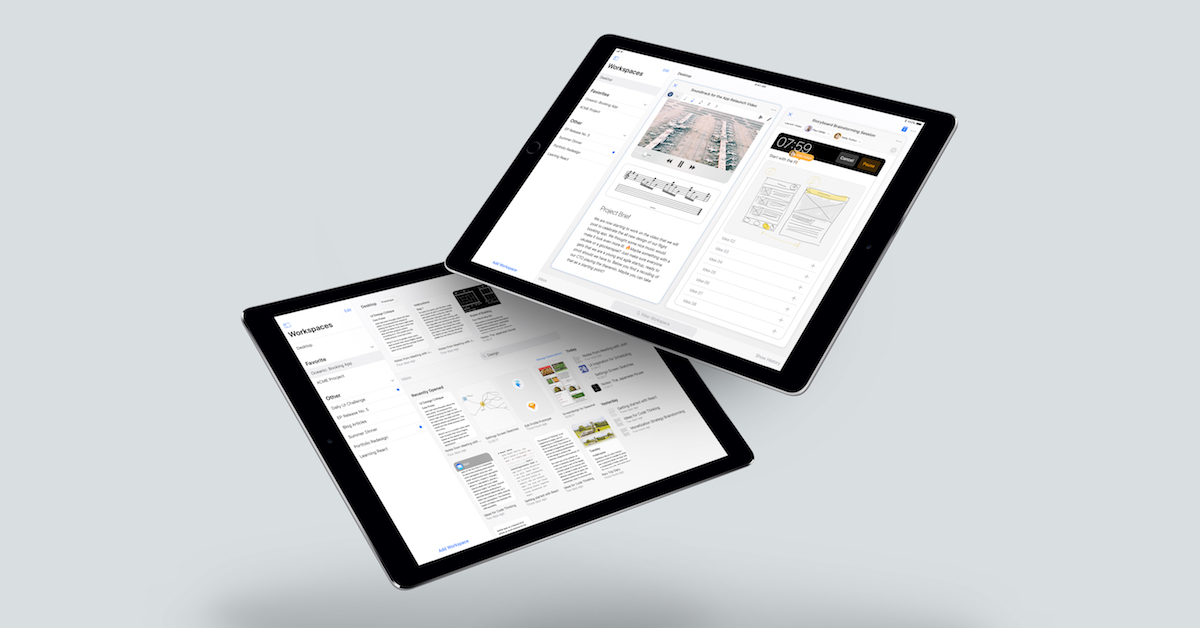
Combinatorial Creativity
Combinatorial creativity recombines existing ideas to spark novel, valuable innovations in cognition, AI, and design.


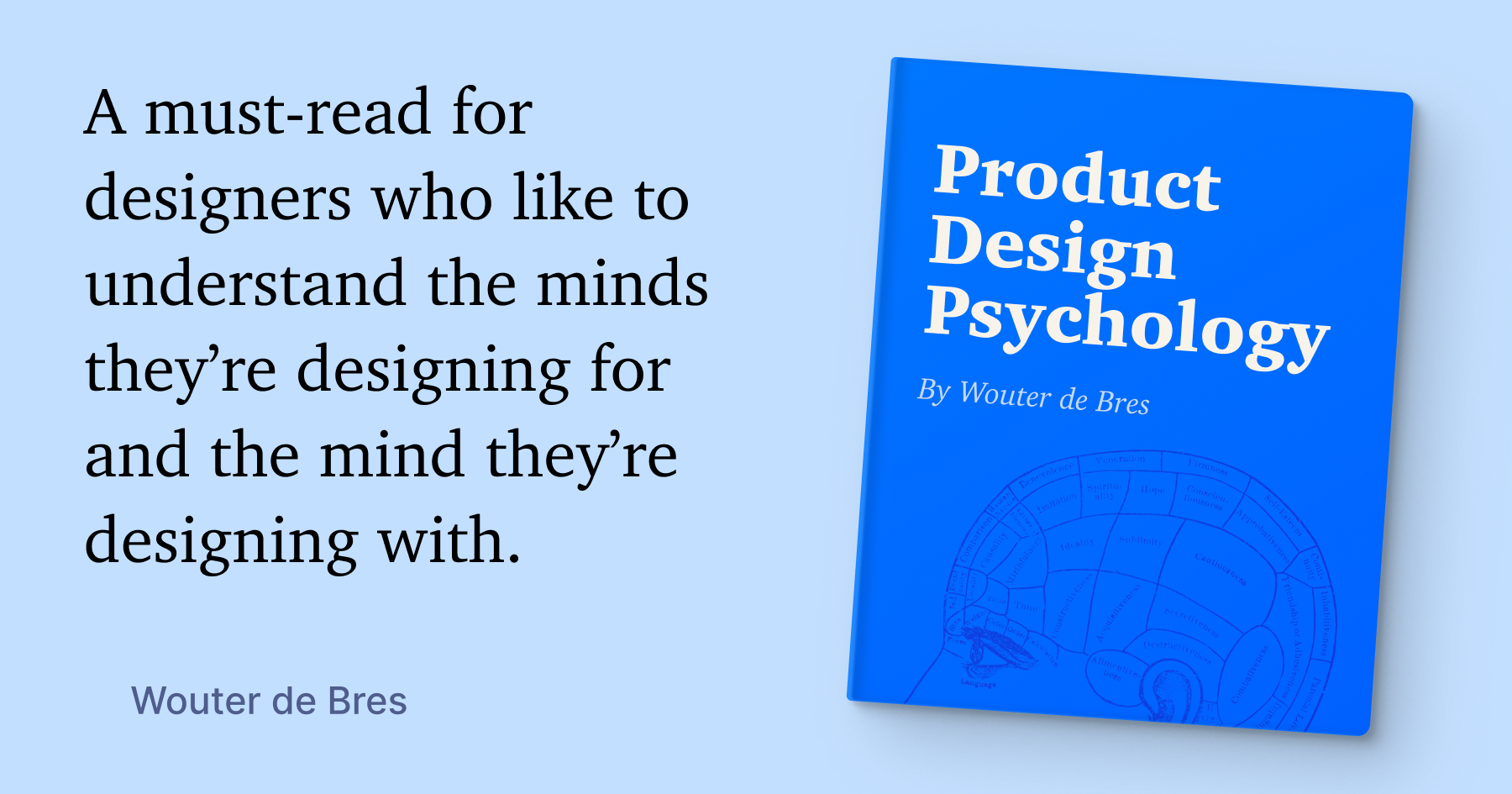
Product Design Psychology by Wouter de Bres
Understand the minds you design for and the mind you design with.
Jenny Wen: The design process is dead. Why Designers can no longer trust it.
Creative Technologists are moving from the margins to the center
Once an obscure job title, creative technology is becoming a new way of working, and a core capability inside modern product teams. Soon…