The Linux display server landscape has been evolving dramatically over the past decade. Wayland,...
Webtop 4.0: Wayland is here, engage the reality engine | LinuxServer.io
Let me just start with the TLDR as I have a tendency to write too much, all of our Selkies based images can now be launched into a Wayland mode using the env var -e PIXELFLUX_WAYLAND=true or checking a box in Sealskin. This Wayland mode is an entire ground up stack leveraging a virtual framebuffer in userspace that can live on a GPU or CPU. The net result on any hardware with a GPU is a remote monitor in your web browser. I am not talking about a compromise or half baked "this is kinda cool cause it is in my web browser and it can run in Docker" I am talking about turning your web browser into a true virtual display for the remote session. There are two major wins out of this mode:
Using Fcitx 5 on Wayland - Fcitx
Wayland is the next generation of display server protocol. While the initial release of the protocol is in 2008, the support of input method is not really ideal.
Scott Jenson: Are we really going to use the same Desktop UX forever?
Scott Jenson: Are we really going to use the same Desktop UX forever?
Scott Jenson: Are we really going to use the same Desktop UX forever?
letoram/arcan
Arcan - [Display Server, Multimedia Framework, Game Engine] -> "Desktop Engine"
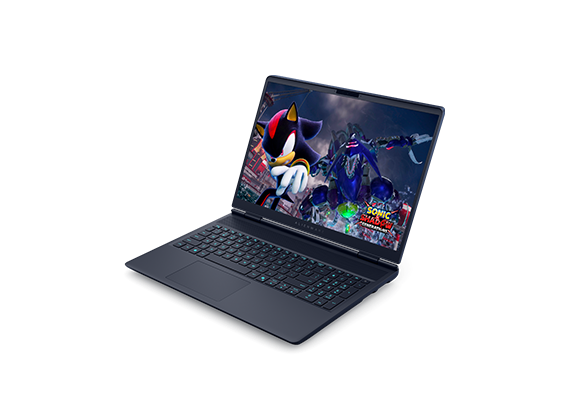
Alienware 16X Aurora Gaming Laptop
Experience immersive gaming on the Alienware 16X Aurora laptop with NVIDIA GeForce RTX graphics, vibrant WQXGA display, and high refresh rates. Shop now!
Stardust XR
Stardust XR is a display server for VR and AR headsets on Linux-based systems - Stardust XR

Leveraging Rust and the GPU to render user interfaces at 120 FPS
From the Zed Blog: A deep-dive into the graphical underpinnings of GPUI, the hardware-accelerated framework that powers Zed's user interface.


Deal: Divoom Pixoo-64 - WiFi Pixel Cloud Digital Frame with APP Control,64 X 64 LED Panel Display Frame for Gaming Room Decoration/Social Media Fans Counter
Divoom Pixoo-64 Digital Frame,Spark Your Life on Every Day

Ideas on modernizing the open-source desktop
Scott Jenson has been working on user interfaces (UIs) and user experience (UX) for many years [...]
Are we stuck with the same Desktop UX forever? | Ubuntu Summit 25.10
Are we stuck with the same Desktop UX forever? | Ubuntu Summit 25.10
Are we stuck with the same Desktop UX forever? | Ubuntu Summit 25.10
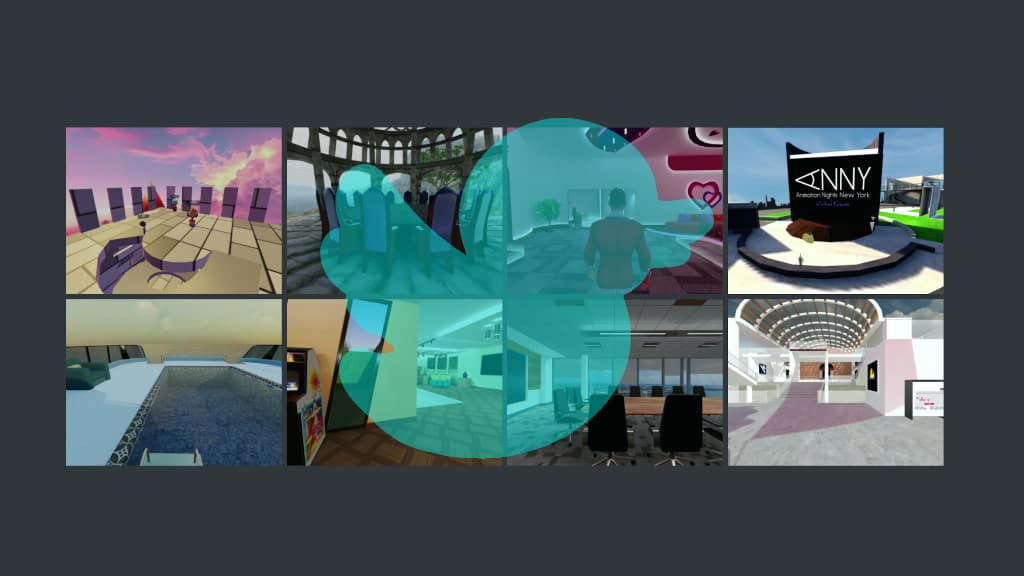
Hubs
Official instance of the Hubs Foundation — Immersive spaces, right in your browser, powered by Hubs