


Discover the fundamentals of spatial design. Learn how to design with depth, scale, windows, and immersion, and apply best practices for...
Design for spatial user interfaces - WWDC23 - Videos - Apple Developer
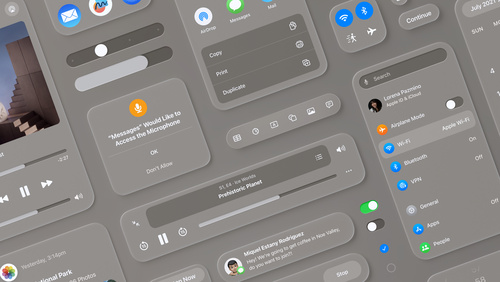
Learn how to design great interfaces for spatial computing apps. We'll share how your existing screen-based knowledge easily translates...

Screen As Room: An Architectural Perspective on User Interfaces — Christoph Locher · Interaction Designer
With the use of video games as social spaces being observed for several years and the increased focus put on virtual social spaces due to the scarceness of physical social spaces in the last months, the concept of “spatial interfaces” is once again at the center of discussions. I want to add an alternative perspective to this, looking at the properties of physical spaces as metaphors, rather than models, for interfaces and exploring seven of them in more detail.
Physicality: the new age of UI
There’s a lot of rumors of a big impending UI redesign from Apple. Let’s imagine what’s (or what could be) next for the design of iPhones, Macs and iPads.

The Glimmer — thefugue.space
A brief history of my attempts to bring Spatial Computing to the wider audience..

Wayfinding cues in UX design
The term “wayfinding” was first used by Kevin Lynch, an educator and urban planner in his seminal book “The Image of the City”. He…

Developer Experience Goals for Atproto Spaces - AT Protocol
A new series nailing down the moving parts of building on Spaces

Spatial - Create Immersive UGC, Virtual Classrooms, Experiential Marketing
Join 2M+ creators & brands building and publishing social games, brand experiences, virtual learning, galleries, onboarding, & training. No-code + Unity-based tools. Web (No Download Required), Mobile, VR.

The Future is Colourful and Dimensional
On the return of texture, depth, and expressiveness in UI.

Apple gives Maps a major rebuild, includes Street View-like 3D imagery | TechCrunch
Apple has spent years trying to live down the fiasco of swapping out Google for its own, underdeveloped version of Maps, and today at its WWDC event it

Architecture and the Internet: Designing places in cyberspace
Cyberspace, as the information space is called, has become accessible in the past decade through the World Wide Web. And although it can only be experienced through the mediation of computers, it is quickly becoming an alternative stage for everyday economic, cultural, and other human activities. As such, there is a potential and a need to design it according to place–like principles. Making places for human inhabitation is, of course, what architects, landscape architects, and town planners have been doing in physical space for thousands of years. It is curious, therefore, that Cyberspace designers have not capitalized on the theories, experiences, and practices that have been guiding physical place–making. While most 3D environments closely mimic physical spaces, they are, by and large, devoid of the essential characteristics that differentiate a ‘place’ from mere ‘space.’ And only rarely are they sensitive to, and take advantage of, the peculiarities of Cyberspace. We believe that this state of affairs is temporary, characteristic of early adoption stages of new technologies. As the Web matures, and as it assumes more fully its role as a destination rather than as means of communication, there will be a growing need to design it according to place–making principles. By looking at physical architecture as a case study and metaphor for organizing space into meaningful places, this paper explores the possibility of organizing Cyberspace into spatial settings that not only afford social interaction, but, like physical places, also embody and express cultural values. At the same time, because Cyberspace lacks materiality, is free from physical constraints, and because it can only be ‘inhabited’ by proxy, these ‘places’ may not necessarily resemble their physical counterparts.
Spatial Communication in Level Design
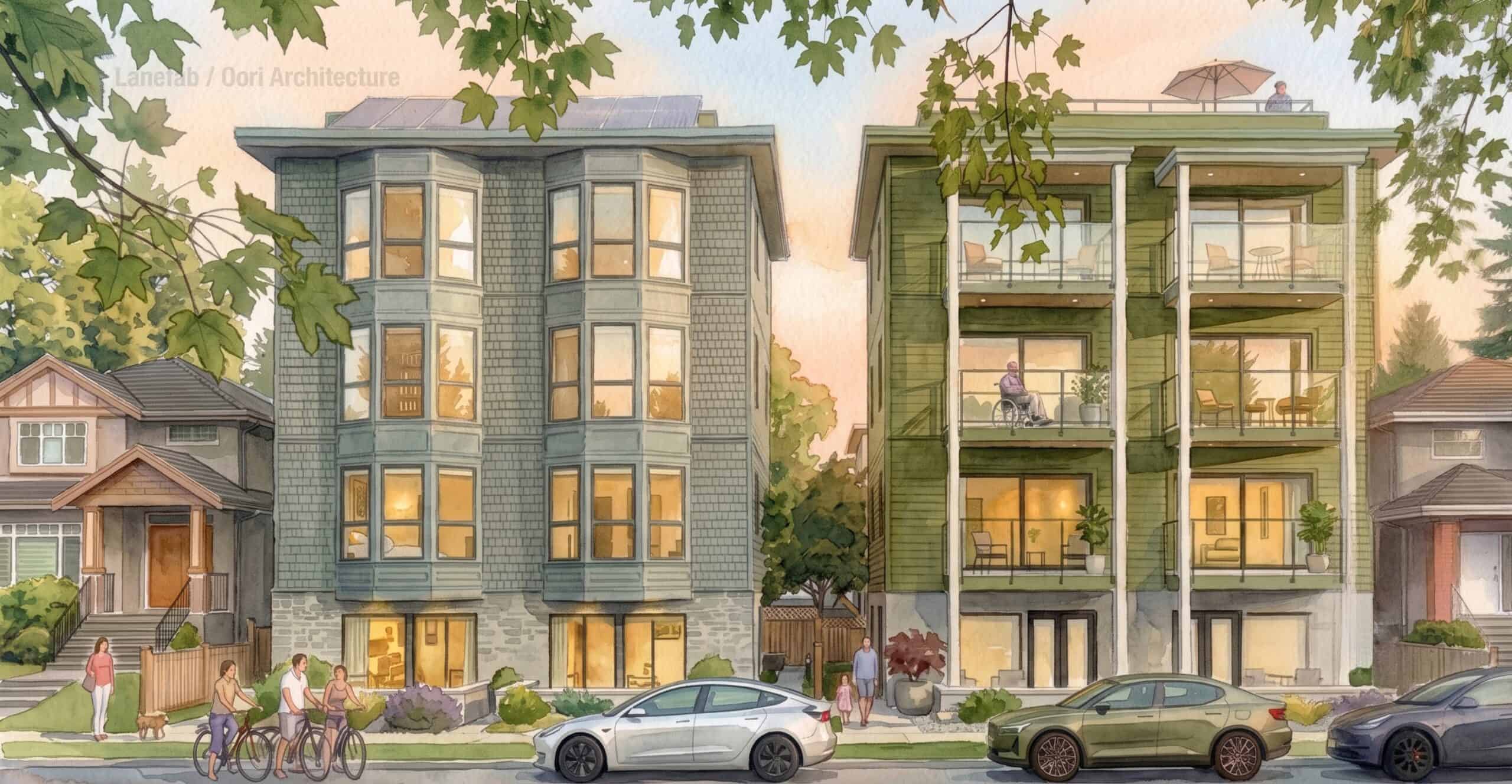
In Pictures: The Possibilities of Vancouver’s New Villages Plan | Sightline Institute
The Four/Five design prioritizes green space, daylight, affordability, and accessibility—all for greater connection and community.
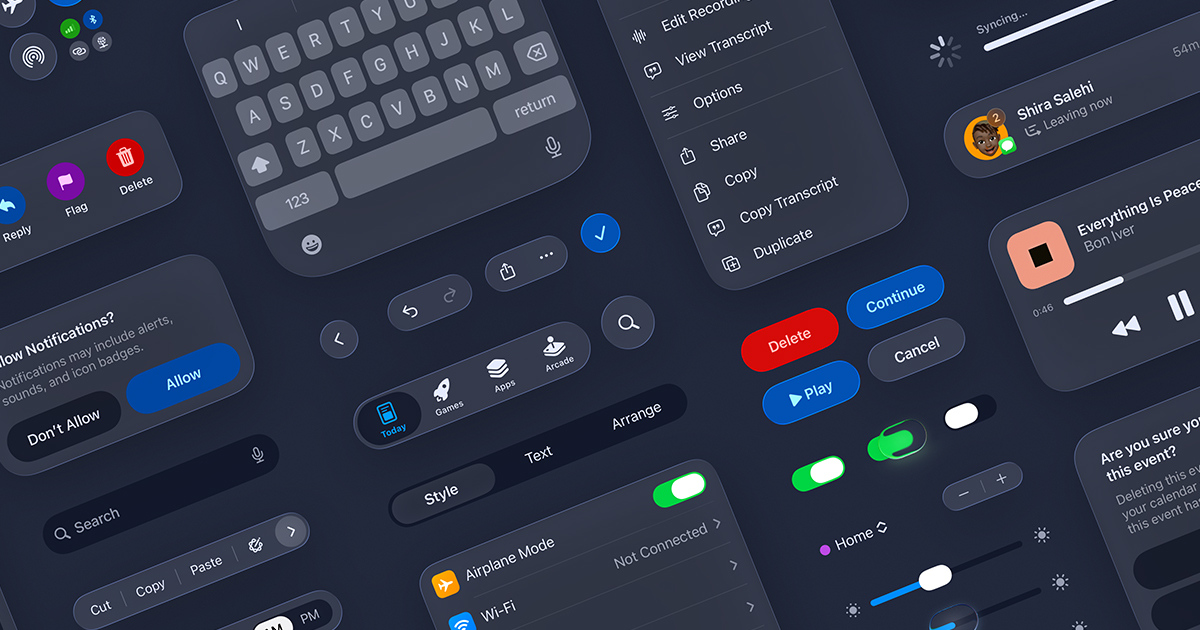
Apple Design Resources
Design apps accurately and quickly using official Apple design templates, icon production templates, color guides, and more.
Thrilled to be sharing my latest work at #CogSci2026! Many of the spaces we move through, from kitchens to airports, were designed with specific uses in mind. How do people create such environments, and how do users figure out what they were designed for? 📃 osf.io/preprints/psyarxiv/hd6px_v1
