


In this series we build Mach Engine's Entity Component System from first principles in the Zig programming language. In part one we looked at how ECS relates to data oriented design, in part two we look at database design and how it relates to ECS as we begin writing our implementation.
Object-Oriented Entity-Component-System Design – John Lin's Thoughts
About two months ago, I decided to start developing a fresh codebase for my voxel project – something that many indie developers are probably all-too familiar with, including myself. This time around, there were three major features that I wanted to implement:
Contemplating Entity Component Architecture
Ever since discovering the Entity Component System pattern through Bevy a few years ago, I’ve been simultaneously obsessed with it and frustrated with the lack of attention it is getting outside of the game development world.
Entity Component System and SQL
The Yawning Gash If you have ever dabbled in video game development in the past ten or twenty years, chances are you used an object oriented programming language to do so. Hell, my first attempts at creating a game were done using the jMonkey engine. And one can easily see why OOP is popular for game development: it is very convenient to summarise data into semantic classes:
Relational foundations for functorial data migration | Proceedings of the 15th Symposium on Database Programming Languages
In this paper we present a simple database definition language: that of categories and functors. A database schema is a small category and an instance is a set-valued functor on it. We show that morphisms of schemas induce three ''data migration ...
Tutorial: Writing a tiny Entity Component System in Rust
The Entity Component System (or ECS) pattern is all the rage in the Rust game development community. In this short tutorial we're going to build our own.
data-oriented-design/README.md at master · dbartolini/data-oriented-design
A curated list of data oriented design resources. Contribute to dbartolini/data-oriented-design development by creating an account on GitHub.
22. Introduction — Spatial Data Management with Earth Engine
A database management system (DBMS) allows users to store, insert, delete, and update information in a database. Spatial databases go a step further because they record data with geographic coordinates.
What is data oriented design?
I was reading this article, and this guy goes on talking about how everyone can greatly benefit from mixing in data oriented design with OOP. He doesn't show any code samples, however. I googled t...

Functorial data migration
In this paper we present a simple database definition language: that of categories and functors. A database schema is a small category and an instance is a set-valued functor on it. We show that morphisms of schemas induce three “data migration functors”, which translate instances from one schema to the other in canonical ways. These functors parameterize projections, unions, and joins over all tables simultaneously and can be used in place of conjunctive and disjunctive queries. We also show how to connect a database and a functional programming language by introducing a functorial connection between the schema and the category of types for that language. We begin the paper with a multitude of examples to motivate the definitions, and near the end we provide a dictionary whereby one can translate database concepts into category-theoretic concepts and vice versa.
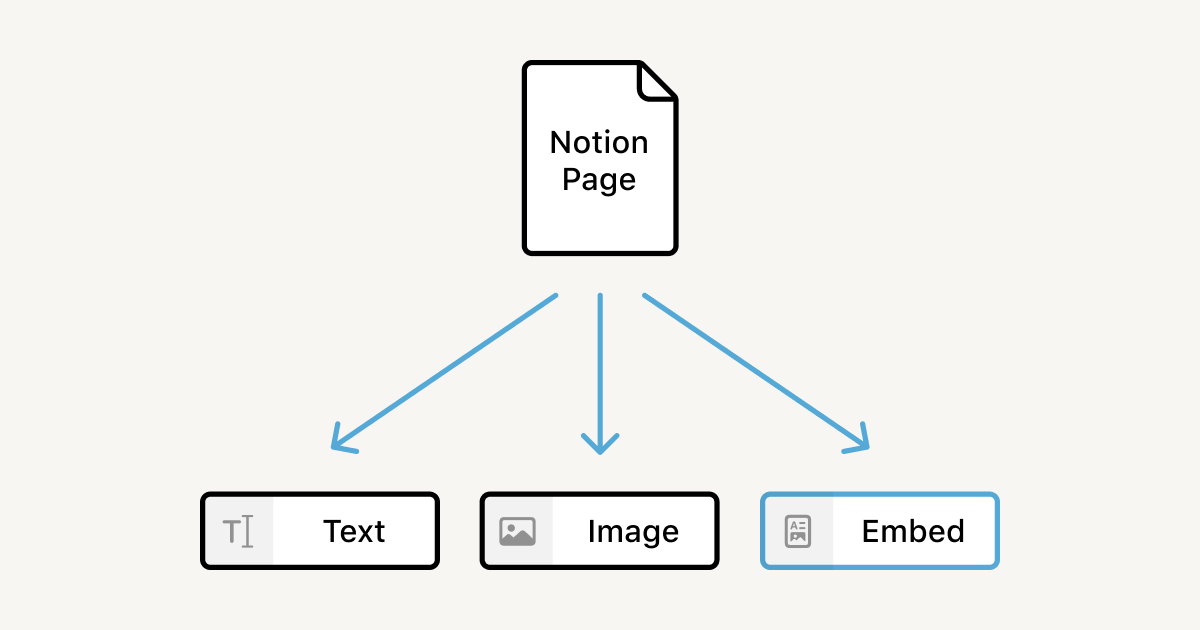
Exploring Notion's Data Model: A Block-Based Architecture | Notion
Notion’s data model enables the product’s most foundational component: blocks. Through blocks, we allow users more flexibility over their information.
Graceful database schema evolution: the PRISM workbench: Proceedings of the VLDB Endowment: Vol 1, No 1
Supporting graceful schema evolution represents an unsolved problem for traditional information systems that is further exacerbated in web information systems, such as Wikipedia and public scientific databases: in these projects based on multiparty ...

Distributed Entity Component System Architecture in the Cloud
Every so often, my mind will fixate on a topic and I won’t be able to eat, sleep, or function properly until I get some kind of closure on…
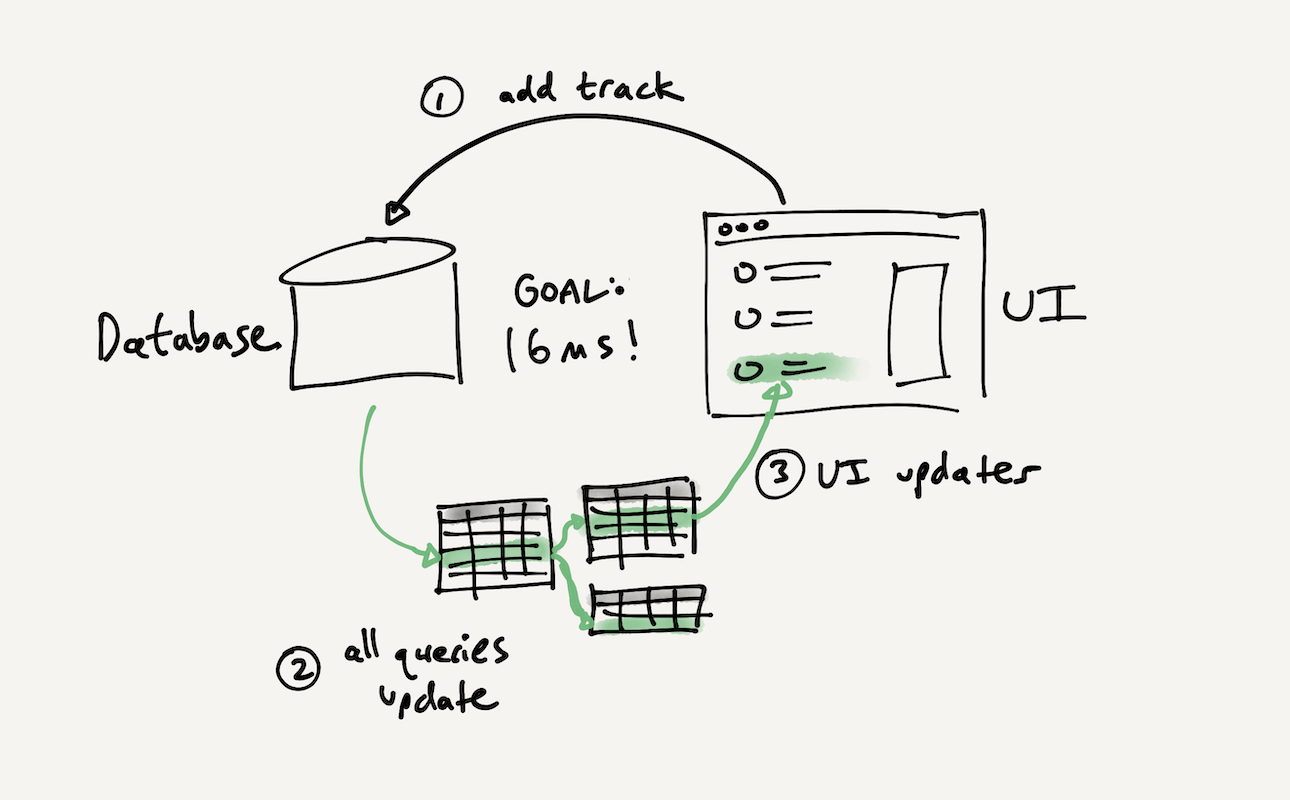
Building data-centric apps with a reactive relational database
We're exploring an approach to simplifying app development: storing all application and UI state in a client-side reactive relational database that provides a structured dataflow model.
Open Exchange Architecture
A specification for representing scientific documents and their components as structured objects.