

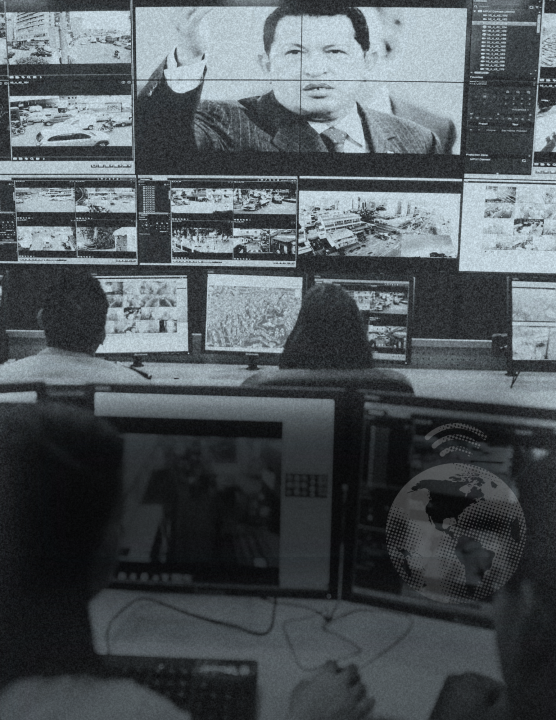
Despite changes in leadership, Venezuela's extensive surveillance infrastructure remains fully operational.
To Repress or to Co‐opt? Authoritarian Control in the Age of Digital Surveillance
This article studies the consequences of digital surveillance in dictatorships. I first develop an informational theory of repression and co-optation. I argue that digital surveillance resolves dicta...

Pluralistic: Surveillance is inequality’s stabilizer (26 Jun 2025) – Pluralistic: Daily links from Cory Doctorow
The "dictator's dilemma" pits a dictator's desire to create social stability by censoring public communications in order to prevent the spread of anti-regime messages with the dictator's need to know whether powerful elites are becoming restless and plotting a coup:
State Capacity of Secret Surveillance
The state capacity-civil society tradeoff model tends to treat the “state” and “civil society” as separate entities who move to constrain one another. However, this modeling technique leaves out the nuances of individual action within a collective setting by treating each as a relative black box. This article explores this balance in the context of the surveillance state that has arisen in the 20th and 21st century. As state capacity in surveillance increases it better allows the state to respond to threats to citizens from citizens. However, the increased capacity also lessens the ability of societal pressure to check authoritarian advances even in a nation with a thriving civil society presence.
State Capacity of Secret Surveillance
The state capacity-civil society tradeoff model tends to treat the “state” and “civil society” as separate entities who move to constrain one another. However, this modeling technique leaves out the nuances of individual action within a collective setting by treating each as a relative black box. This article explores this balance in the context of the surveillance state that has arisen in the 20th and 21st century. As state capacity in surveillance increases it better allows the state to respond to threats to citizens from citizens. However, the increased capacity also lessens the ability of societal pressure to check authoritarian advances even in a nation with a thriving civil society presence.
Vigilantism comes for Flock
More Americans than ever are destroying Flock license plate cameras amid rising backlash against the company. Is the tide turning on intrusive U.S. mass surveillance, and where does the privacy fight go next?
We Need A Massive Surveillance Program (Idle Words)
I am a privacy activist who has been riding a variety of high horses about the dangers of permanent, ubiquitous data collection since 2012.
"Pushed into the Shadows": Evidencing Digital Surveillance Chilling Effects and the Erosion of the Rights to Freedom of Assembly and of Association
SummaryThe United Nations Special Rapporteur on the Rights to Freedom of peaceful assembly and of association, Gina Romero, presents "Pushed into the Shadows: Evidencing digital surveillance chilling effects and the erosion of the rights to freedom of assembly and of association". This Global Study documents the profound impact that pervasive digital monitoring exerts on fundamental public freedoms. Moving beyond traditional privacy-centric narratives, the Study details how contemporary surveillance ecosystems induce serious chilling effects.
Venezuela misinformation spreads like wildfire online
The right clearly get that people aren't happy about what Trump did in Venezuela. So, they're pumping out misinformation and AI slop

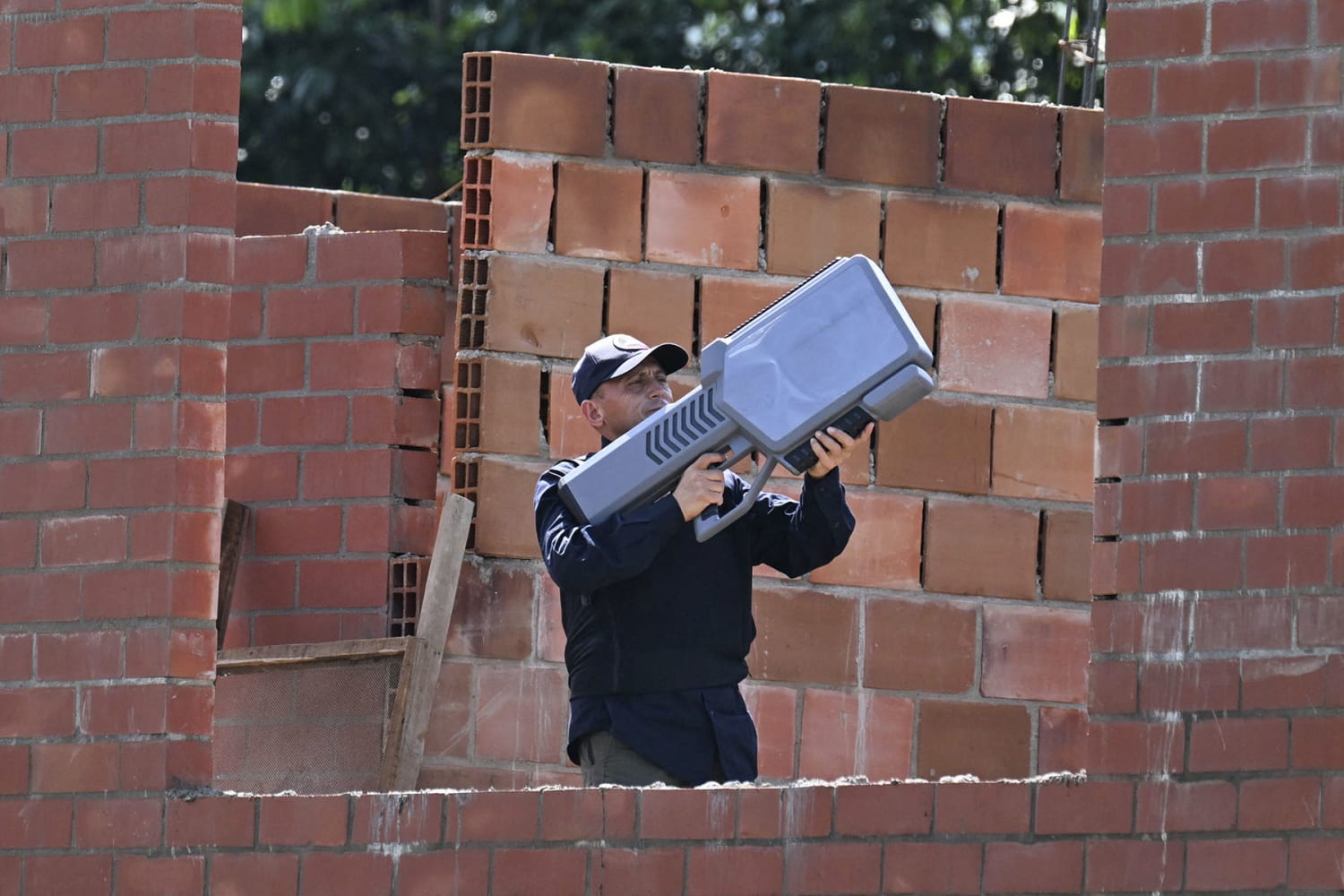
Growing use of deadly drones by Colombian militants terrifies residents
Social media videos verified by NBC News show groups using drones for surveillance, intimidation and bombing campaigns.
The architecture of the internet creates risks for democracy
Will democracy survive the internet? Do we need to choose between Facebook’s surveillance capitalism or democracy? Layered lines of evidence can inform questions like these. When considered together, the evidence gives rise to a concerning picture, as summarized in a recent report for the European Commission that I co-led.

Venezuela: The Rise and Fall of a Petrostate
Introduction Venezuela, home to the world’s largest oil reserves, is a case study in the perils of becoming a petrostate. Since it was discovered in the country in the 1920s, oil has taken Venezuela on an exhilarating but dangerous boom-and-bust ride that offers lessons for other resource-rich states. Decades of poor governance have driven what was once one of Latin America’s most prosperous countries to economic and political ruin. In recent years, Venezuela has suffered economic collapse, with output shrinking significantly and rampant hyperinflation contributing to a scarcity of basic goods, such as food and medicine. Meanwhile, government mismanagement and U.S. sanctions have led to a drastic decline in oil production and severe underinvestment in the sector. Though Washington eased some sanctions on Venezuela’s oil and gas sector in 2023, signaling a potential détente, Caracas’s failure to meet conditions for a fair election prompted the U.S. government to reimpose sanctions in 2024. What is a petrostate? Petrostate is an informal term used to describe a country with several interrelated attributes: government income is deeply reliant on the export of oil and natural gas, economic and political power are highly concentrated in an elite minority, and political institutions are weak and unaccountable, and corruption is widespread. Countries often described as petrostates include Algeria, Cameroon, Chad, Ecuador, Indonesia, Iran, Kazakhstan, Libya, Mexico, Nigeria, Oman, Qatar, Russia, Saudi Arabia, the United Arab Emirates, and Venezuela. What’s behind the petrostate paradigm? Petrostates are thought to be vulnerable to what economists call Dutch disease, a term coined during the 1970s after the Netherlands discovered natural gas in the North Sea. In an afflicted country, a resource boom attracts large inflows of foreign capital, which leads to an appreciation of the local currency and a boost for imports that are now comparatively cheaper. This sucks labor and capital away from other sectors of the economy, such as agriculture and manufacturing, which economists say are more important for growth and competitiveness. As these labor-intensive export industries lag, unemployment could rise, and the country could develop an unhealthy dependence on the export of natural resources. In extreme cases, a petrostate forgoes local oil production and instead derives most of its oil wealth through high taxes on foreign drillers. Petrostate economies are then left highly vulnerable to unpredictable swings in global energy prices and capital flight. The so-called resource curse also takes a toll on governance. Since petrostates depend more on export income and less on taxes, there are often weak ties between the government and its citizens. Timing of the resource boom can exacerbate the problem. “Most petrostates became dependent on petroleum while, or immediately after, they were establishing a democracy, state institutions, an independent civil service and private sector, and rule of law,” says Terry Lynn Karl, a professor of political science at Stanford University and author of The Paradox of Plenty, a seminal book on the dynamics of petrostates. Leaders can use the country’s resource wealth to repress or co-opt political opposition. How does Venezuela fit the category? Venezuela is the archetype of a failed petrostate, experts say. Oil continues to play the dominant role in the country’s fortunes more than a century after it was discovered there. The oil price plunge from more than $100 per barrel in 2014 to under $30 per barrel in early 2016 sent Venezuela into an economic and political spiral, and despite rising prices since then, conditions remain bleak. A number of grim indicators tell the story: Oil dependence. In recent years, oil exports have financed almost two-thirds of the government’s budget. Estimates for 2024 place this figure slightly lower, at 58 percent. Falling production. Starved of adequate investment and maintenance, oil output has continued to generally decline, hitting its lowest level in decades. However, exports increased by some 12 percent in 2023, due in part to an easing of U.S. sanctions on the country’s oil and gas sector. Turbulent economy. Venezuela’s gross domestic product (GDP) shrank by roughly three-quarters [PDF] between 2014 and 2021. However, the economy grew by 5 percent in 2023, and the government forecasts it will reach 8 percent in 2024. Soaring debt. Venezuela has an estimated debt burden of $150 billion or higher. Hyperinflation. Annual inflation skyrocketed to just over 130,000 percent in 2018, and though it has since slowed, it remained at 190 percent in 2023, according to the central bank. !function(){"use strict";window.addEventListener("message",(function(a){if(void 0!==a.data["datawrapper-height"]){var e=document.querySelectorAll("iframe");for(var t in a.data["datawrapper-height"])for(var r=0;r

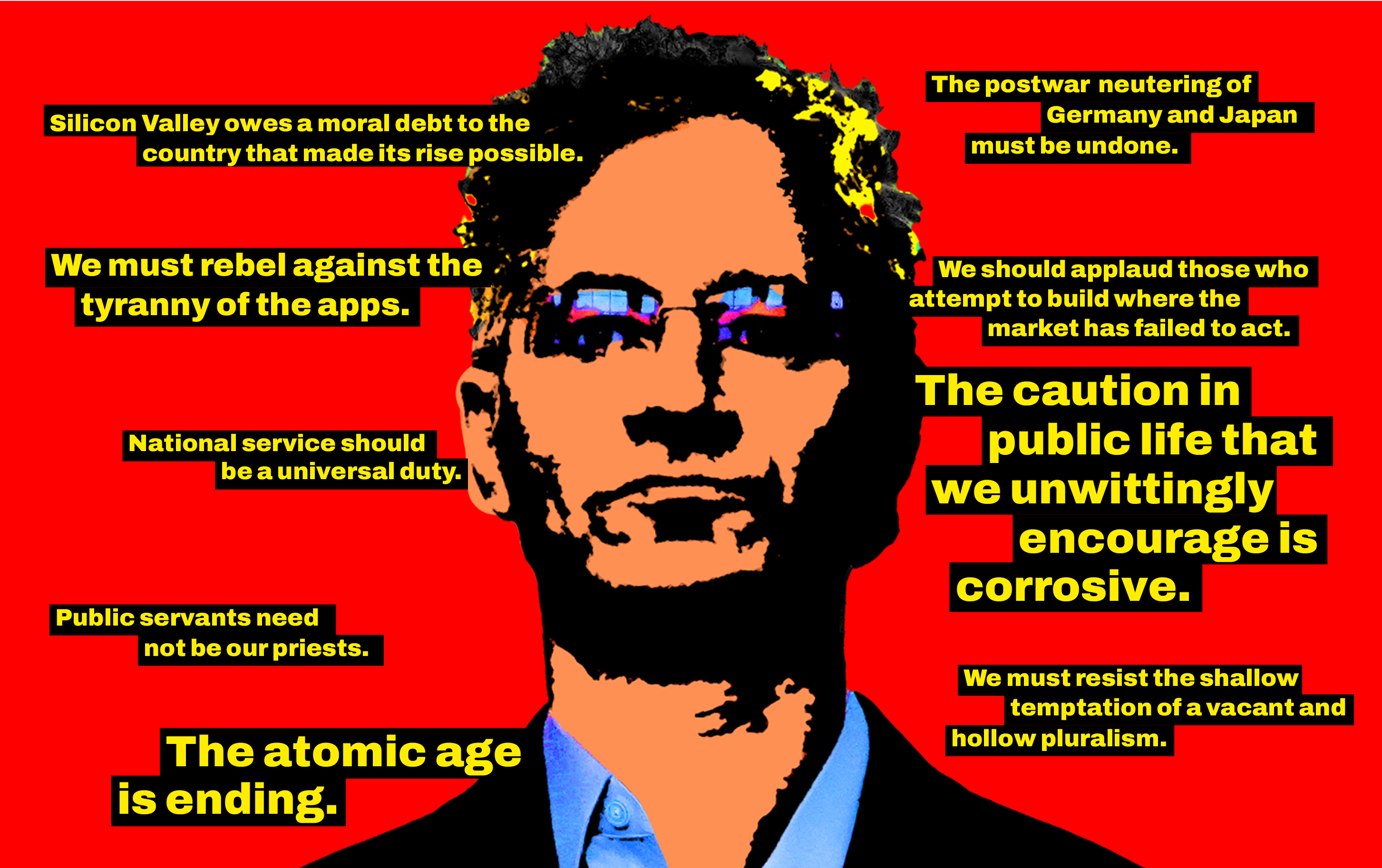
Palantir's social media manifesto is a blueprint for technofascism
The surveillance firm’s viral X post calls for hard power, conscription and the end of pluralism. AI expert and academic Mark Coeckelbergh on what happens when technology becomes the gateway to authoritarianism
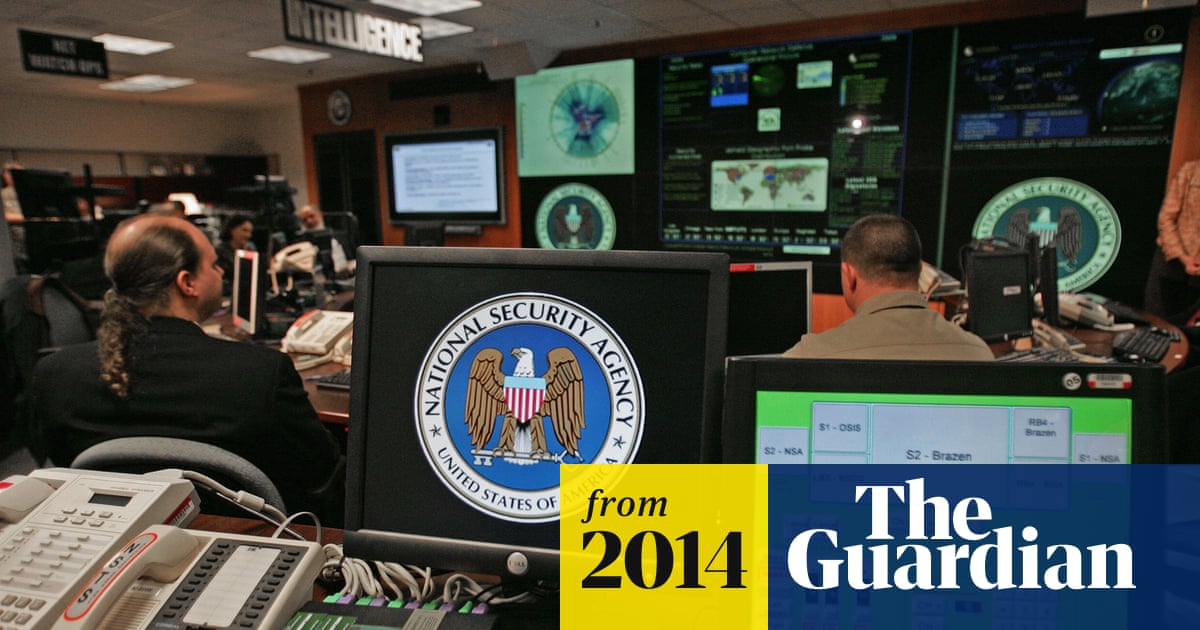
Privacy under attack: the NSA files revealed new threats to democracy
We now know the apparatus of repression has been attached to the democratic state, but our struggle for privacy is far from hopeless. By Eben Moglen
📣 Take Action: Reform Section 702: End mass warrantless surveillance
Make an impact with guided actions from Freedom of The Press Foundation.
How 9/11 changed the way America surveils its citizens • Stateline
The terrorist attacks of Sept. 11, 2001, transformed how American intelligence and law enforcement agencies collect, share and analyze information. Twenty-five years later, that infrastructure has merged with a digital world capable of generating vast amounts of data about Americans — and artificial intelligence is making it easier to connect and analyze that information. The result is a surveillance system far more powerful than anything imaginable in 2001, raising new questions about privacy, policing and civil liberties.

Here’s how cops are using high-tech tools to monitor protesters
When Americans take to the streets to make their voices heard, they’re inevitably dragging their digital trails right along behind them.