


Liberal democracy is in danger. We need the stories of those who rescued it last time.
The Longest Suicide Note in American History
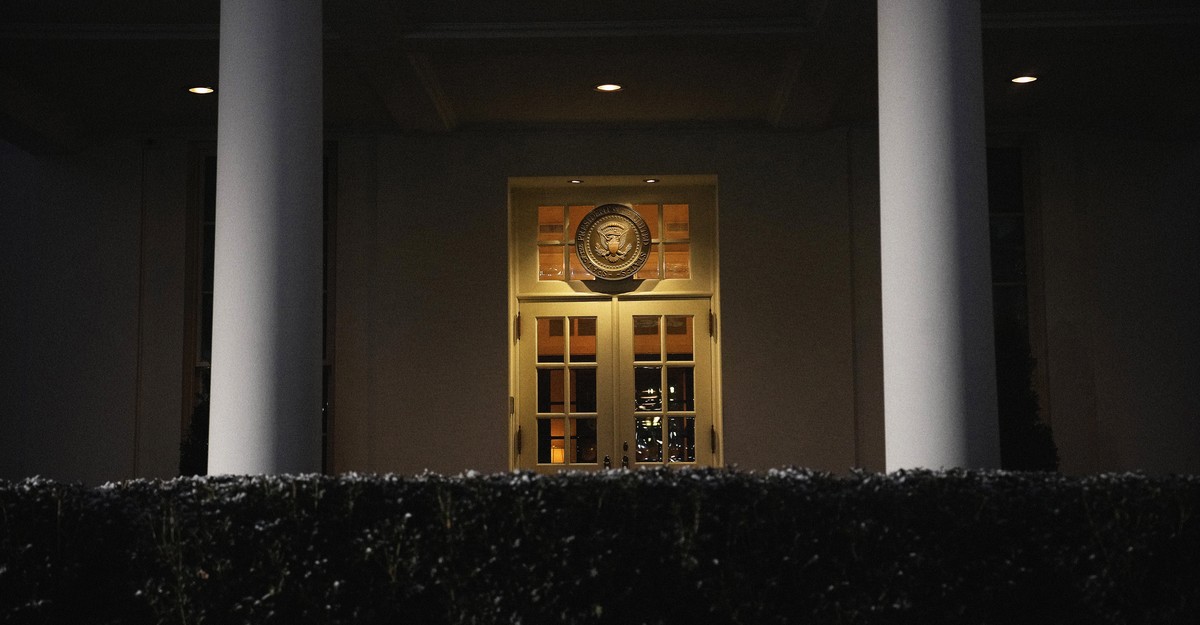
The Trump administration’s new National Security Strategy targets liberal democracy itself.
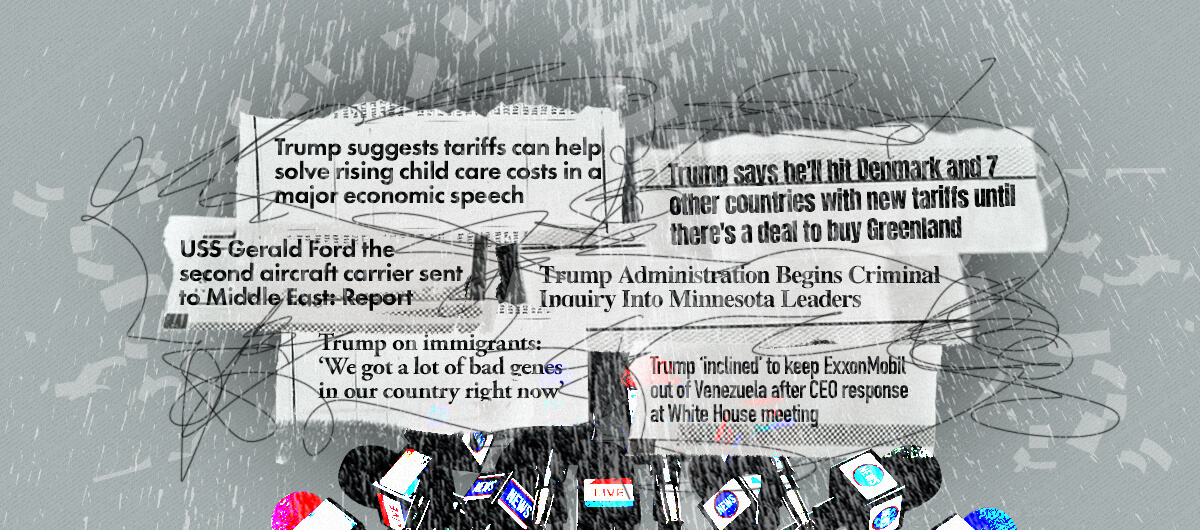
Why ‘Flooding the Zone’ Works for Trump - Dame Magazine
Trump’s allies openly described a strategy to overwhelm the press with simultaneous crises. The structure of modern journalism makes it work
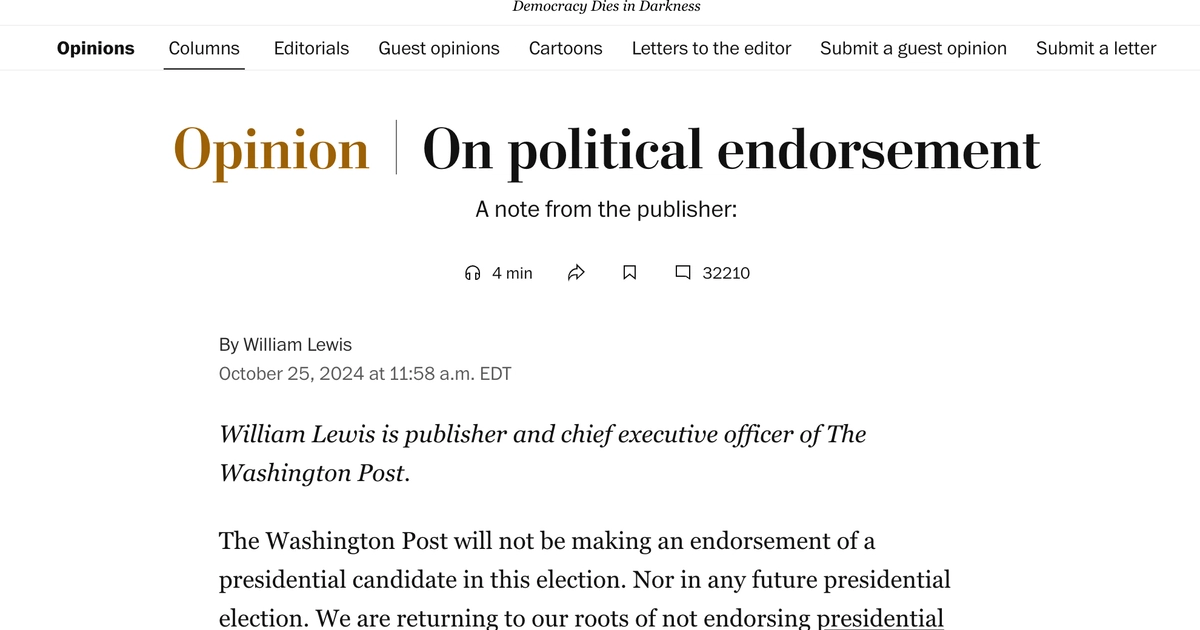
The Washington Post sold Democracy. Now it needs a new line of business.
A leading American newspaper enters a new era.
Since 9/11, Fear Has Driven Our Politics. Don’t Let It Drive The Next 25 Years.
Twenty-five years ago today I was woken up by a phone call from a close friend, who, like me, grew up in New York and, like me, was now living in California. She told me that something horrible had…


Liberalism Won't Admit What it Actually Stands For
The far right has put RNLI volunteers in the crosshairs
Online disinformation about channel rescues is no longer just poisonous rhetoric, it’s putting real people at risk

Donald Trump just barred Washington Post reporters from campaign events. That should bother you.
Banning media is bad for democracy. Period.

Hold the Line: A Guide to Defending Democracy
A practical guide for organizers, communities, and individuals defending democracy.

Messaging Guide to Counter Far Right Narratives
The Commons is an online library for the change makers of the world and for those interested in social change, activism, organising, advocacy and justice.
The Washington Post has broken my heart | Will Bunch Newsletter
Plus, the best Democrat in America right now.
On Courage: How to Be a Dissident in an Age of Fear
From a Pulitzer Prize-winning investigative journalist and a former White House senior advisor, a deeply reported manual for how individuals can resist America's slide away from democracy, based on original interviews with more than 100 dissidents, activists, and theorists across the world. The United States has crossed into a new and unfamiliar realm--one in which daring to challenge the state carries real danger. Ordinary Americans now face a government that feels more like foreign autocracies, with a White House stretching the powers of the presidency beyond recognition. The sitting president wields fear as a weapon, punishes political enemies, intimidates sitting members of Congress, bends private businesses to his will, and disappears student protesters off the streets. Based on their acclaimed The New Yorker essay "So You Want to Be a Dissident: A Practical Guide to Courage in Trump's Age of Fear," Pulitzer Prize-winning investigative journalist Julia Angwin and former White House senior advisor Ami Fields-Meyer deliver a guide to courage in America's age of fear. On Courage is a captivating collection of stories and lessons from the front lines of the fight for the future of the free world that invite action and rouse hope. Step into the room where the world's new dissidents--ordinary people, in the U.S. and around the world, who never aspired to be activists--are writing the playbook for courage, risk, and resistance in the age of authoritarianism and unprecedented digital surveillance. On Courage simplifies the calculus of activism by making more accessible than ever the fundamentals of taking political risk. It's a handbook that is equal parts practical and spiritual, a valuable resource and a powerful message for anyone, anywhere, who feels the walls of history closing in on them.
Learning From the International Struggle
Over the last twenty years, illiberal forces have coordinated ideas, personnel, and finances across international borders. Liberals can learn from this.
George Soros Bet Big on Liberal Democracy. Now He Fears He Is Losing. (Published 2018)
His enemies paint him as all-powerful, but the billionaire philanthropist believes that his political legacy has never been in greater jeopardy.

Manufacturing Consent: The Political Economy of the Mass Media
A bold and eye-opening exposé on how power and propaganda distort the news, now more relevant than ever • With an updated introduction“[A] compelling indictment of the news media’s role in covering up errors and deceptions in American foreign policy.”—The New York Times Book Review Renowned scholars Edward S. Herman and Noam Chomsky reveal how U.S. news media, far from being independent watchdogs, often function as tools of elite influence. With probing analysis, they present their Propaganda Model, a framework that explains how systemic bias shapes the stories we’re told, the voices we hear, and the truths that remain hidden.Through deeply researched case studies, from the Vietnam War to coverage of “worthy” vs. “unworthy” victims, Manufacturing Consent exposes the structural forces that drive news organizations to reinforce power rather than question it. It’s a sobering portrait of a media system more interested in maintaining order than informing the public.This edition includes an introduction updating key examples and expanding the Propaganda Model’s relevance to issues like the coverage of NAFTA, the media’s treatment of global protests, and environmental regulation.Manufacturing Consent is a powerful assessment of how propagandistic the U.S. mass media are, how they systematically fail to live up to their self-image as providers of the kind of information that people need to make sense of the world, and how we can understand their function in a radically new way.Whether you’re a student, activist, or citizen looking to see beyond the headlines, this book will transform how you understand the media—and the world around you.

🧵 @jburnmurdoch.ft.com is spot on about the conditions in his FT piece. Liberal democracy held it together thanks to growth, good demographics, and the promise of a better future. Those days are gone, and that’s the "why" behind the erosion. However...

Chris Bertram
Democratic politicians have, though, pursued growth in GDP at the expense of other values. One response to @jburnmurdoch.ft.com pessimistic scenario is refocus on those values, combined with egalitarianism, sufficiency and quality of life. Not "it's the economy, stupid" but "it's the the society"
