

The Scientific Panel advises the AI Office and national authorities on the implementation the AI Act and assessment of the impacts and risks of General-Purpose AI (GPAI) models.
AI Act
The AI Act is the first-ever legal framework on AI, which addresses the risks of AI and positions Europe to play a leading role globally.
Action Plan to increase the safety and security of advanced AI
The first U.S. government-commissioned assessment on catastrophic national security risks from advanced AI on the path to AGI.
Artificial Intelligence Act
The Artificial Intelligence Act is a European Union regulation concerning artificial intelligence (AI). It establishes a common regulatory and legal framework for AI within the European Union (EU). The regulation entered into force on 1 August 2024, with provisions that shall come into operation gradually over the following 6 to 36 months.
Where AI Regulation Stands Today
The White House has released a National Artificial Intelligence Legislative Framework and new executive orders aiming to establish a single, nationwide standard for AI regulation...

Google, Microsoft, and xAI will allow the US government to review their new AI models
The Center for AI Standards and Innovation will evaluate new models before they’re released publicly.

EU Artificial Intelligence Act | Up-to-date developments and analyses of the EU AI Act
Browse the full AI Act text online. Search within the Act for parts which are relevant to you.
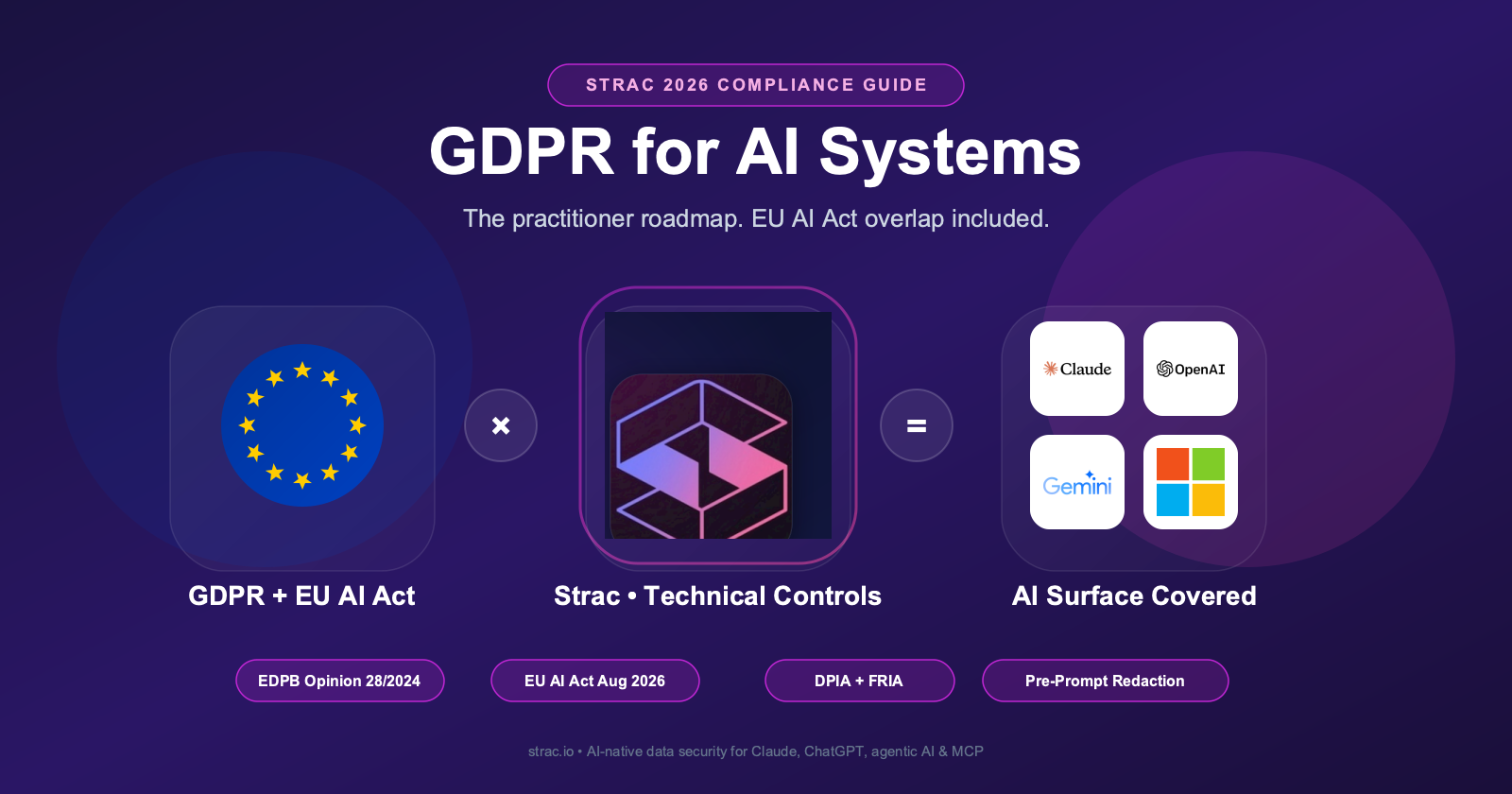
GDPR for AI Systems: 2026 Compliance Guide (with EU AI Act Updates)
How to make AI systems GDPR-compliant in 2026 — the practitioner roadmap covering EU AI Act overlap, EDPB Opinion 28/2024, DPIAs, data minimization, sub-processor cascades, and the technical controls lawyers don't explain.
Responsible AI Principles and Approach | Microsoft AI
Discover Microsoft AI tools, industry-specific governance solutions, and responsible AI practices to make smarter, more informed decisions about AI implementation.

The ecology of AI risk
Understanding the risk from applications of artificial intelligence (AI) is a critical part of creating AI governance strategies. Building on the idea of studying AI using ecological and evolutionary perspectives, we propose a novel approach for assessing risk from AI using indicators derived from theoretical ecology models. We illustrate our methods by deriving 3 indicators from population and ecosystem models originating from theoretical ecology. We conclude with a discussion of limitations of our analysis and considerations for improving AI governance policy.
No. 017: Science EIC contra AI hype, data poisoning of research agents, Vancouver Standard for AI disclosure - The Hallway Track
The Hallway Track No. 017 - How AI is affecting the practice of science
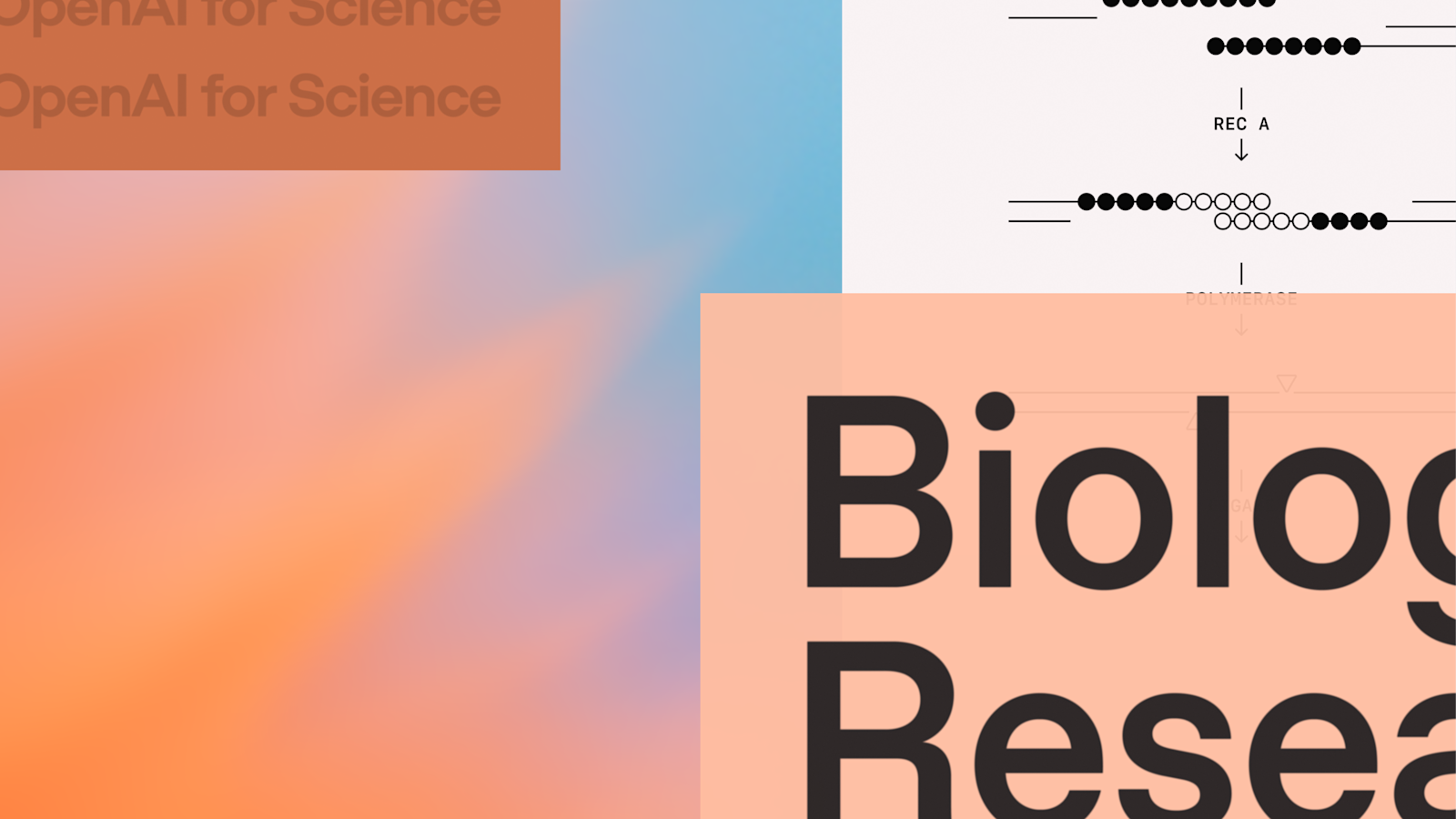
Measuring AI’s capability to accelerate biological research in the wet lab
OpenAI introduces a real-world evaluation framework to measure how AI can accelerate biological research in the wet lab. Using GPT-5 to optimize a molecular cloning protocol, the work explores both the promise and risks of AI-assisted experimentation.
The EU AI Act Is Ready – Interdependent Thoughts
A final draft of the European AI Regulation is circulating (here’s an almost 900 page PDF). The coming days I will read it with curiosity.
No. 027: AGMAI advisory group, Millennium Problems for biology, autonomous research pipelines - The Hallway Track
The Hallway Track No. 027 - How AI is affecting the practice of science
No. 026: AI use in science study, astronomy disclosure gap, Paper2Agent, SAIR initiative - The Hallway Track
The Hallway Track No. 026 - How AI is affecting the practice of science
Import AI 475: Swarm scaling; Google DeepMind watermarks biology; and the AI science economy
Who chooses what AI gets to do?

AI Act Service Desk - AI Act Explorer
The official AI Act Explorer helps users search and browse Regulation (EU) 2024/1689, the EU Artificial Intelligence Act, by chapter, article, recital and annex.
