

This document contains a set of informal notes on how to build an alternative specification to the Web, in such a way that hopefully prevents many of its drawbacks while still preserves many of the good points. This document is not an specification, and is therefore subject to change over time.
Opinion | How to Save the Web (Published 2018)
Governments, businesses and users around the world must commit to a set of fundamental principles for the web.

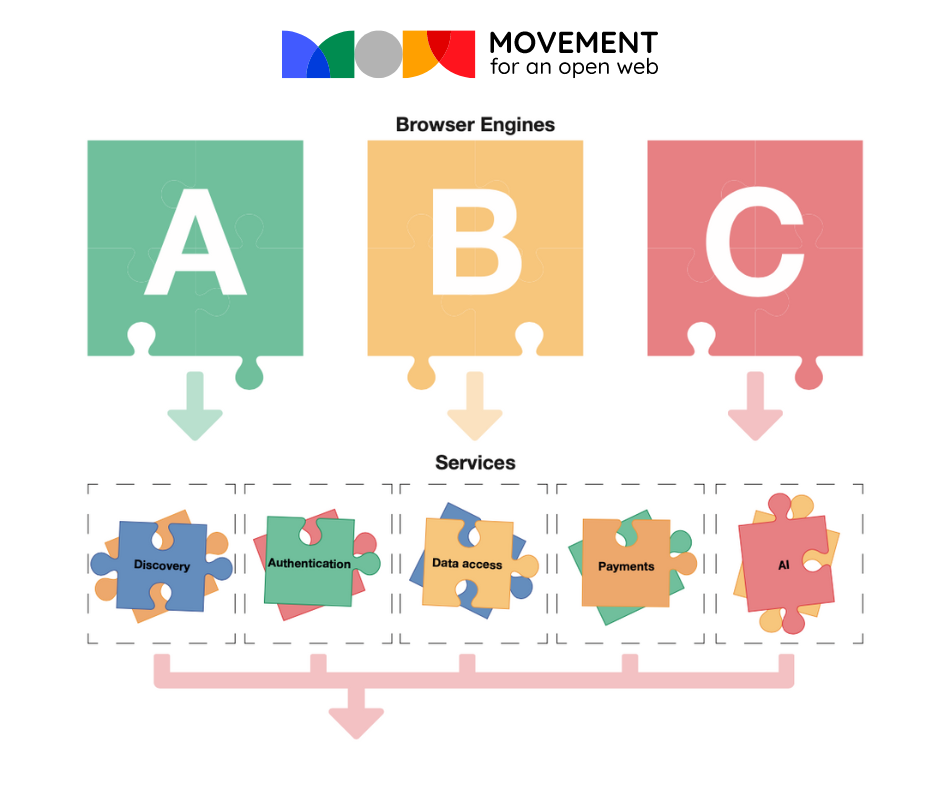
Break up the Browsers. A Proposal to Save the Open Web. - Movement For An Open Web
The Open Web is one of the world’s modern wonders. Based on core, universally recognised technical standards and owned and controlled by no one body, it is a unique structureRead More
Who Shapes Web Standards? Uncovering the Main Topics of Interest in the W3C
Constitutions of Web3
Smart contracts are promising tools for governing DAOs but they alone aren't enough. In this artifact, we describe how written constitutions are an interface for a community’s shared values and must complement programmatic tools like smart contracts.

Theming atproto · blog.damato.design
Taking Mise en Mode into the new web standard
Why is WebAssembly a second-class language on the web? – Mozilla Hacks - the Web developer blog
This post is an expanded version of a presentation I gave at the recent WebAssembly CG meeting in Munich. WebAssembly has come a long way since its first release in 2017. The 1.0 version of WebAssembly was already a great fit for low-level languages like C and C++, and immediately enabled many new kinds of applications to efficiently target the web.


Reimagining the Browser for a Green Web - Branch
The web must operate within planetary limits by phasing out fossil fuels, and reducing absolute emissions across supply chains.
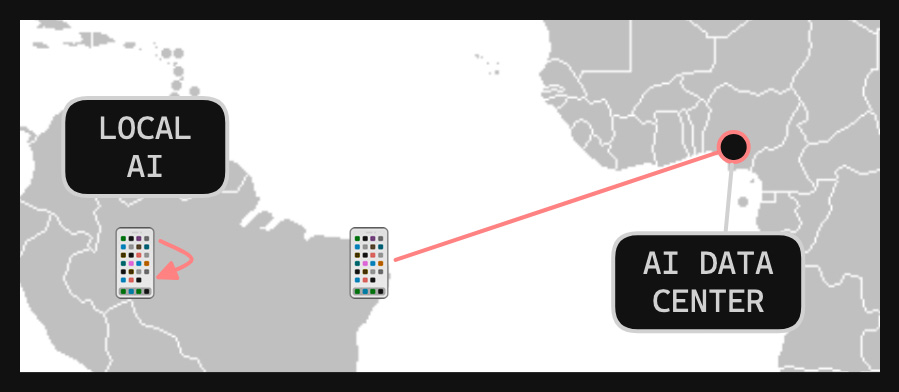
Frontend Minimalism in Action: Do More With Less JavaScript | Peter Kröner | webinale Berlin 2026
Position Paper for the W3C Workshop on Web Applications and Compound Documents
This document represents the consensus opinion of the Mozilla Foundation and Opera Software in the context of standards for Web Applications and Compound Documents.
Introducing WEBCAT: Web-based Code Assurance and Transparency
In this post, we introduce Web-based Code Assurance and Transparency, a project that supports verifiable in-browser code for single-page browser applications. Along with this post, we are publishing the WEBCAT project repository; follow-up posts will provide more detailed information.

Proposal: standard.site.declaration
Proposal: standard.site.declaration Draft for Discussion Abstract AT Protocol provides portable identity, portable content, and portable social graphs. What it currently lacks is a standard mechanism for discovering machine-readable declarations associated with digital content. Today, creators and organisations publish declarations about digital assets through websites, registries, the C2PA provenance framework, and other systems. These declarations may describe provenance, copyright ownership...

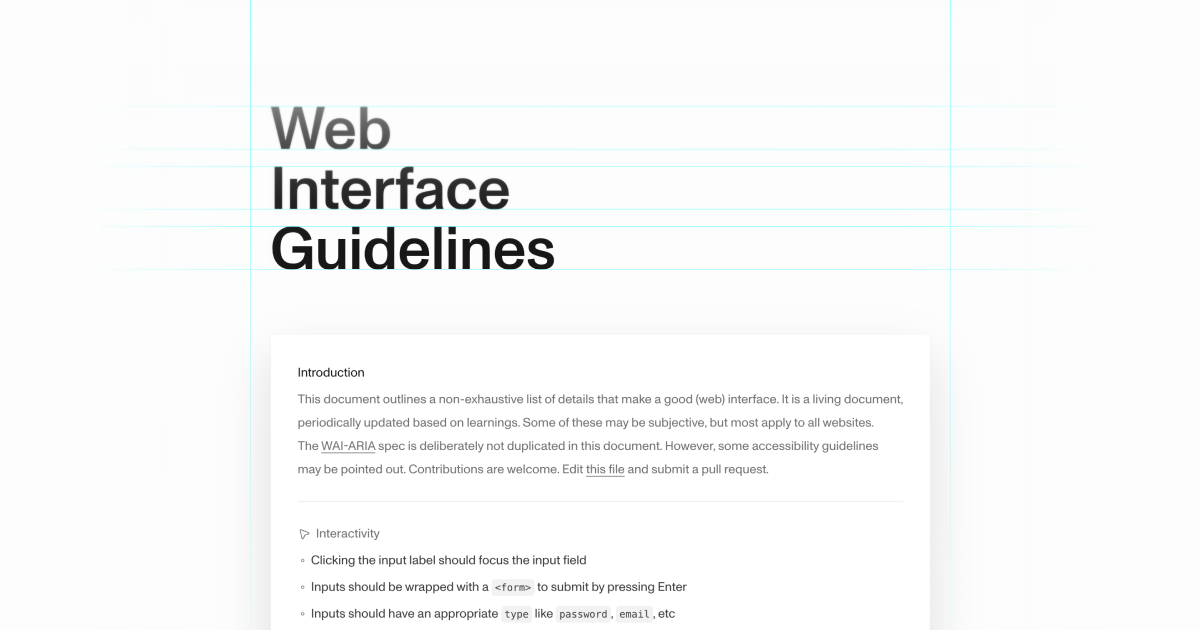
Web Interface Guidelines
A non-exhaustive list of details that make a good web interface.
01 - Decentralized Web: An Introduction - Resource Guide
This resource guide was created to accompany Session 01 of the Webinar Series Imagining a Better Online World: Exploring the Decentralized Web. This session introduced essential DWeb concepts to library workers through demonstrations, resources, and examples of decentralized technologies in action. A video recording of this session has been archived by the Internet Archive and it can be viewed here.

I found a really great article around web standards "Every feature begins life as a non-standard proposal, often shipped. This is not a bug" that I shared with @blaine.bsky.social last September. Thread in the forum discourse.atprotocol.community/t/web-standards-and-the-fall-…

Web Standards and the Fall of the House of Iamus (Alex Russell)
discourse.atprotocol.community
Blaine
I need to write more about this, but one of the core benefits of atproto is that it (dramatically) lowers the cost of coordination, both in divergence and convergence.
