


Taking “Gangnam Style” seriously: what Internet memes can tell us about digital culture.In December 2012, the exuberant video “Gangnam Style” became the fi
Scares me so much.
148 votes, 13 comments. 36M subscribers in the memes community. Memes! A way of describing cultural information being shared. An element of a culture…
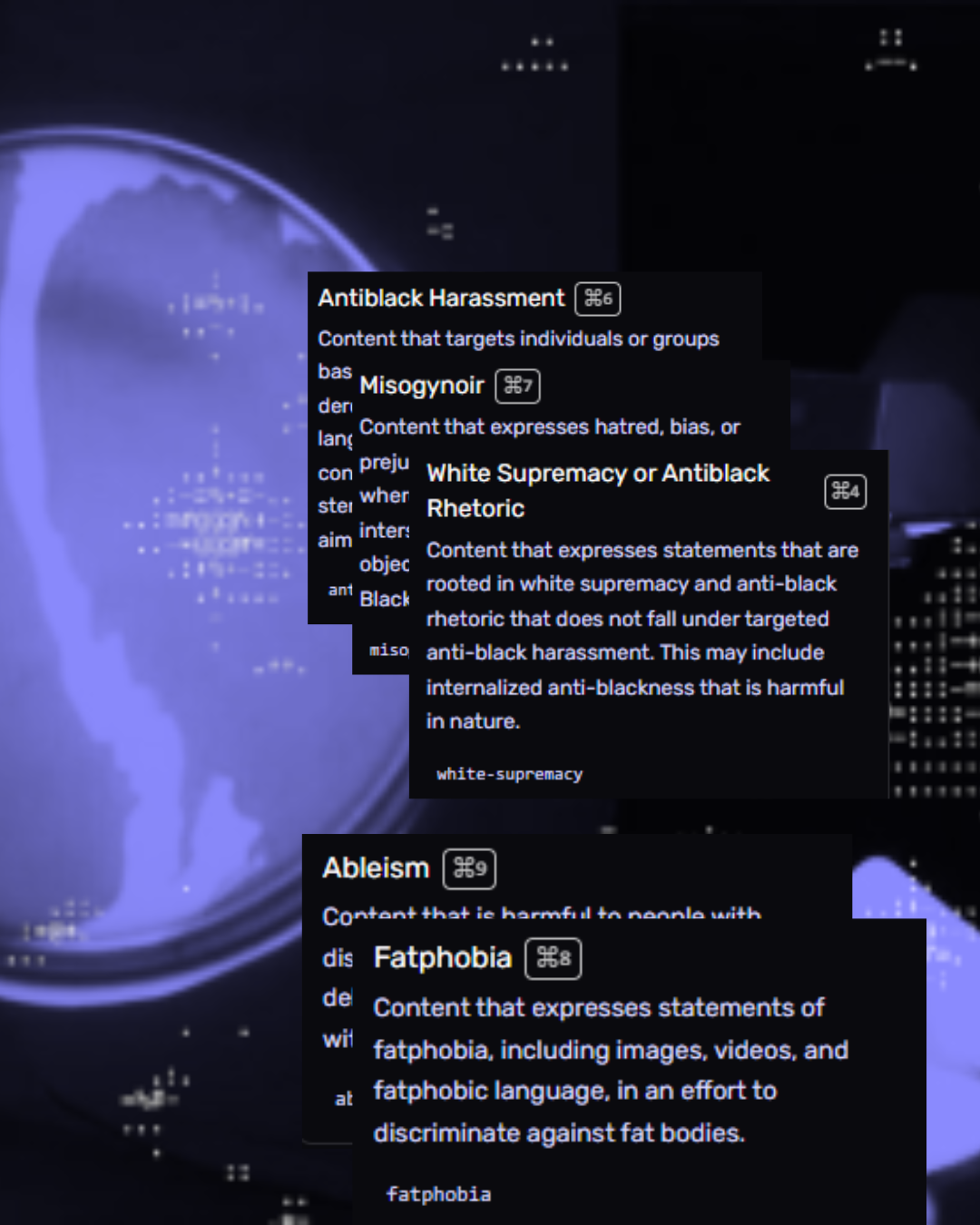
Digital blackface
Digital blackface is a term used to describe the phenomenon of non-Black individuals using digital media, such as GIFs, memes, or audio clips featuring Black individuals, to express emotions or convey ideas. This behavior has sparked debate and criticism due to concerns about cultural appropriation and the perpetuation of stereotypes. Digital blackface has been described as "one of the most insidious forms of contemporary racism"[1] and has been compared to historical minstrelsy by Black individuals and social justice advocates.
Surely you guys relate to this?
8K votes, 97 comments. 36M subscribers in the memes community. Memes! A way of describing cultural information being shared. An element of a culture…
The truth 🤣
26K votes, 57 comments. 36M subscribers in the memes community. Memes! A way of describing cultural information being shared. An element of a culture…
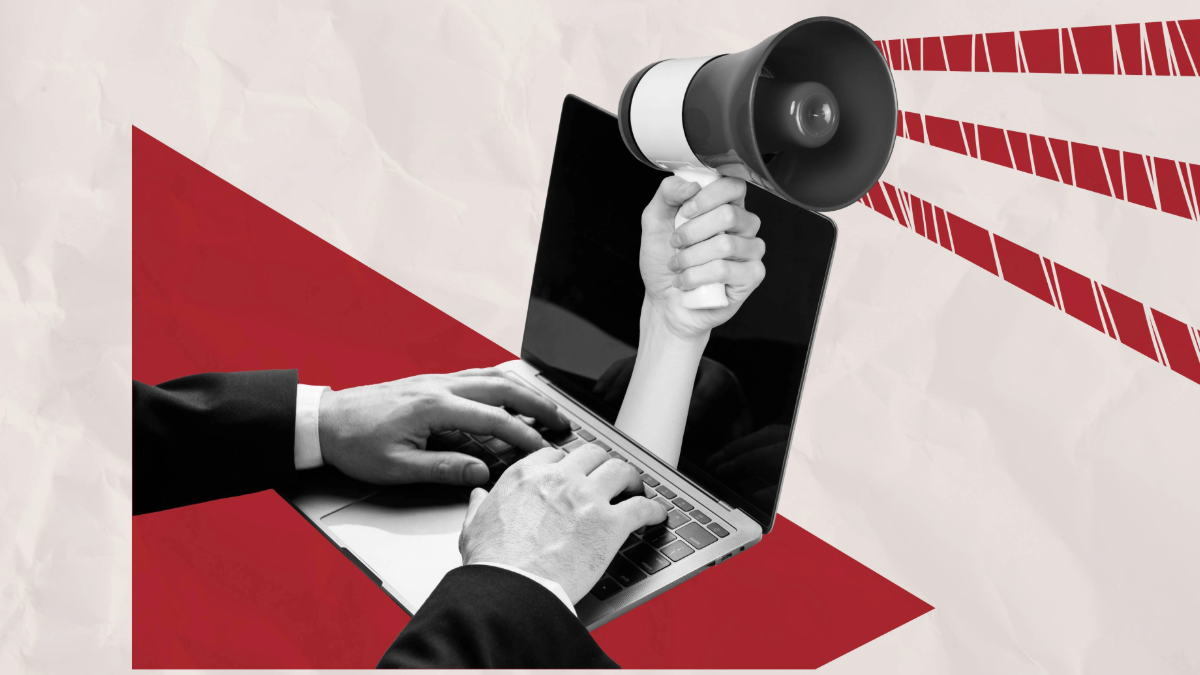
Old Tricks, New Tech: How Legacy Media Capture Fuels Today’s Digital Authoritarianism
Marius Dragomir and Minna Aslama Horowitz discuss how digital authoritarianism is rising as states and Big Tech align, threatening independent media.
Modern problems require outstanding moves
36M subscribers in the memes community. Memes! A way of describing cultural information being shared. An element of a culture or system of behavior…
Stairway to ... Somewhere
491 votes, 12 comments. 36M subscribers in the memes community. Memes! A way of describing cultural information being shared. An element of a culture…
Building a Culture of (Digital) Safety
Black culture is in a lot of ways synonymous with how internet culture exists writ large. From what is now described as “Gen-Z slang” (or as Black people have always known it, AAVE) to our methods of organizing (Black feminists starting hashtag activism and creating movements like #MeToo, #BlackLivesMatter, and #SayHerName) and even how we […]
Not now, not now...
36M subscribers in the memes community. Memes! A way of describing cultural information being shared. An element of a culture or system of behavior…
Mother. I'm scared
30K votes, 257 comments. 36M subscribers in the memes community. Memes! A way of describing cultural information being shared. An element of a…
How a Chinese marketing network quietly injects political narratives into Taiwanese lifestyle content
A new investigation by Reporters Without Borders (RSF) reveals how certain Facebook pages posing as lifestyle hubs for hobbies and health tips inject Beijing’s political narratives into their feeds to influence public opinion in Taiwan. These pages are tied to the China-based digital marketing company Wubianjie, which blends entertainment, disinformation and political messaging in cognitive warfare campaigns that are difficult to detect.

Every tech product right now.
2.9K votes, 59 comments. 36M subscribers in the memes community. Memes! A way of describing cultural information being shared. An element of a…
The Malaise Of Peak Wokeism Within Online Culture
How have certain forms of education and new technology formed the template to woke culture today? This piece examines the link between social media and new technology to the outwoking of the wokest through a veritable closing of the mind.

Cybercultural: Internet History and Its Impact on Our Culture
Cybercultural is a website covering internet history and the evolution of digital culture.
Dead Internet Theory Came True
Shifts in U.S. Social Media Use, 2020–2024: Decline, Fragmentation, and Enduring Polarization
The social media ecosystem appears to be in flux. Twitter’s rebranding to X has come to symbolize a broader reorganization of online publics – political reshuffling, user attrition, and uncertainty over the role of legacy platforms. Simultaneously, the shift from text-based, networked feeds toward algorithmically curated, short-form video has accelerated, with TikTok setting the pace for the wider ecosystem [18, 14, 16]. At the same time, everyday communication increasingly migrates from large, open networks to semi-private spaces such as group chats and messaging apps. Commentators describe a digital public sphere in transition: smaller, more fragmented, less dominated by traditional social networking sites, and rise of more broadcast-oriented forms of media – with some even suggesting that we are seeing the beginning of the end of the social media era.