

A large-scale audit of dataset licensing and attribution in AI
The race to train language models on vast, diverse and inconsistently documented datasets raises pressing legal and ethical concerns. To improve data transparency and understanding, we convene a multi-disciplinary effort between legal and machine learning experts to systematically audit and trace more than 1,800 text datasets. We develop tools and standards to trace the lineage of these datasets, including their source, creators, licences and subsequent use. Our landscape analysis highlights sharp divides in the composition and focus of data licenced for commercial use. Important categories including low-resource languages, creative tasks and new synthetic data all tend to be restrictively licenced. We observe frequent miscategorization of licences on popular dataset hosting sites, with licence omission rates of more than 70% and error rates of more than 50%. This highlights a crisis in misattribution and informed use of popular datasets driving many recent breakthroughs. Our analysis of data sources also explains the application of copyright law and fair use to finetuning data. As a contribution to continuing improvements in dataset transparency and responsible use, we release our audit, with an interactive user interface, the Data Provenance Explorer, to enable practitioners to trace and filter on data provenance for the most popular finetuning data collections: www.dataprovenance.org.

Licenses – Open Source Initiative
The content on this website, of which Opensource.org is the author, is licensed under a Creative Commons Attribution 4.0 International License.Opensource.org is not the author of any of the licenses reproduced on this site. Questions about the copyright in a license should be directed to the license steward. Read our Privacy Policy


Open Source Beyond Licensing - The Evolution Ahead
Boris Mann's digital garden and personal site.

Everything an open source maintainer might need to know about open source licensing | Ben Balter
There's lots of internet lore around open source licensing. An attorney and open source developer answers the most common questions.
Digital commons
The digital commons refers to shared digital resources—such as software, knowledge, data, and cultural content—that are collectively produced and governed by a community and intended for public use.[1][2] These commons are distinguished by open access, participatory management, and licensing practices that preserve reuse and redistribution. Digital commons play a vital role in areas such as education, research, software development, and civic engagement.
your long-form atmosphere · pub search
what you publish, who reads it, your semantic neighborhoods, and what you recommend
Open source is NOT a business model (and your business will fail if you think that it is)
I do not agree to the use of my copyrighted content for the training of AIs, LLMs, or similar technologies.
A Human-Centric Framework for Data Attribution in Large Language Models
In the current Large Language Model (LLM) ecosystem, creators have little agency over how their data is used, and LLM users may find themselves unknowingly plagiarizing existing sources. Attribution of LLM-generated text to LLM input data could help with these challenges, but so far we have more questions than answers: what elements of LLM outputs require attribution, what goals should it serve, how should it be implemented? We contribute a human-centric data attribution framework, which situates the attribution problem within the broader data economy. Specific use cases for attribution, such as creative writing assistance or fact-checking, can be specified via a set of parameters (including stakeholder objectives and implementation criteria). These criteria are up for negotiation by the relevant stakeholder groups: creators, LLM users, and their intermediaries (publishers, platforms, AI companies). The outcome of domain-specific negotiations can be implemented and tested for whether the stakeholder goals are achieved. The proposed approach provides a bridge between methodological NLP work on data attribution, governance work on policy interventions, and economic analysis of creator incentives for a sustainable equilibrium in the data economy.


Licenses Alone Do Not Govern Behavior in Open Source
I put things here so they are on the internet
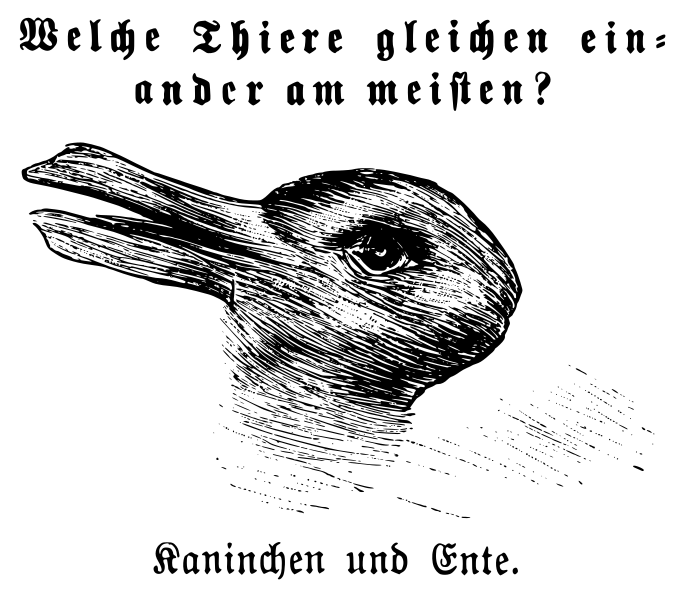
RSL: Really Simple Licensing
The open content licensing standard for the AI-first Internet
Perspective Chapter: Fit for Purpose? Creative Commons Licensing for Research Data in the Age of Artificial Intelligence
Licensing is an important component of the re-usability of research data, itself part of the FAIR principles: without clear, machine-readable licensing, datasets risk becoming technically...

I’d like to raise a fun and interesting topic, and that’s intellectual property and content licensing. The data that flies around the Atmosphere is all visible and public. We’re at a stage within the Atmosphere where services are beginning to grow, and we’re beginning to see lexicons and data that express creative works that extend in length beyond microblogging. I think that the Standard.site lexicons are a great example. But these creations lead to further questions. Who has permission to...
This approach to a data commons could extend to so many typically shared things. For businesses to easily and authoritatively publish things like open hours or product catalogs, discographies, every kind of -ography... creative appmakers could do so much with all that

JB Hutch
Testing an idea that I've had for a while, but I think is even better suited for atproto Internet, meet plts.at
✍🏽 ATpublishing

Publishing services that lets a user publish content in the ATmosphere network. From long-form (blogging) to videos (vlogging), from images (galleries) to podcasting, and content. Not included are microblogging services, there's a separate list for it. #ATmosphereConf
aparker.io/fair
Writizzy - The Cozy Newsletter & Blog Platform
annot.at
TOKIMEKI Diary
WhiteWind atproto blog
Inkwell
