


As part of the Digital Library's transition to Open Access, new features for researchers are available in the Premium Edition. Click here to learn more.
The lost art of concentration: being distracted in a digital world
We check our phones every 12 minutes, often just after waking up. Always-on behaviour is harmful to long-term mental health, and we need to learn to the hit the pause button

Smartphones and Cognition: A Review of Research Exploring the Links between Mobile Technology Habits and Cognitive Functioning
While smartphones and related mobile technologies are recognized as flexible and powerful tools that, when used prudently, can augment human cognition, there is also a growing perception that habitual involvement with these devices may have a negative and lasting impact on users’ ability to think, remember, pay attention, and regulate emotion. The present review considers an intensifying, though still limited, area of research exploring the potential cognitive impacts of smartphone-related habits, and seeks to determine in which domains of functioning there is accruing evidence of a significant relationship between smartphone technology and cognitive performance, and in which domains the scientific literature is not yet mature enough to endorse any firm conclusions. We focus our review primarily on three facets of cognition that are clearly implicated in public discourse regarding the impacts of mobile technology – attention, memory, and delay of gratification – and then consider evidence regarding the broader relationships between smartphone habits and everyday cognitive functioning. Along the way, we highlight compelling findings, discuss limitations with respect to empirical methodology and interpretation, and offer suggestions for how the field might progress toward a more coherent and robust area of scientific inquiry.

The dawn of trustworthy computing
When we currently use a smart phone or a laptop on a cell network or the Internet, the other end of these interactions typically run on othe...
Design Frictions for Mindful Interactions: The Case for Microboundaries
Design frictions, a term found in popular media articles about user experience design, refer to points of difficulty occurring during interaction with technology. Such articles often argue that these frictions should be removed from interaction flows in order to reduce the risk of user frustration and disengagement. In this paper we argue that, in many scenarios, designing friction into interactions through the introduction of microboundaries, can, in fact, have positive effects. Design frictions can disrupt "mindless" automatic interactions, prompting moments of reflection and more "mindful" interaction. The potential advantages of intentionally introduced frictions are numerous: from reducing the likelihood of errors in data-entry tasks, to supporting health-behaviour change.

Feeling of Computing — Conversations
Cognitive Offloading
If you have ever tilted your head to perceive a rotated image, or programmed a smartphone to remind you of an upcoming appointment, you have engaged in cognitive offloading: the use of physical action to alter the information processing requirements of a task so as to reduce cognitive demand. Despite the ubiquity of this type of behavior, it has only recently become the target of systematic investigation in and of itself. We review research from several domains that focuses on two main questions: (i) what mechanisms trigger cognitive offloading, and (ii) what are the cognitive consequences of this behavior? We offer a novel metacognitive framework that integrates results from diverse domains and suggests avenues for future research.
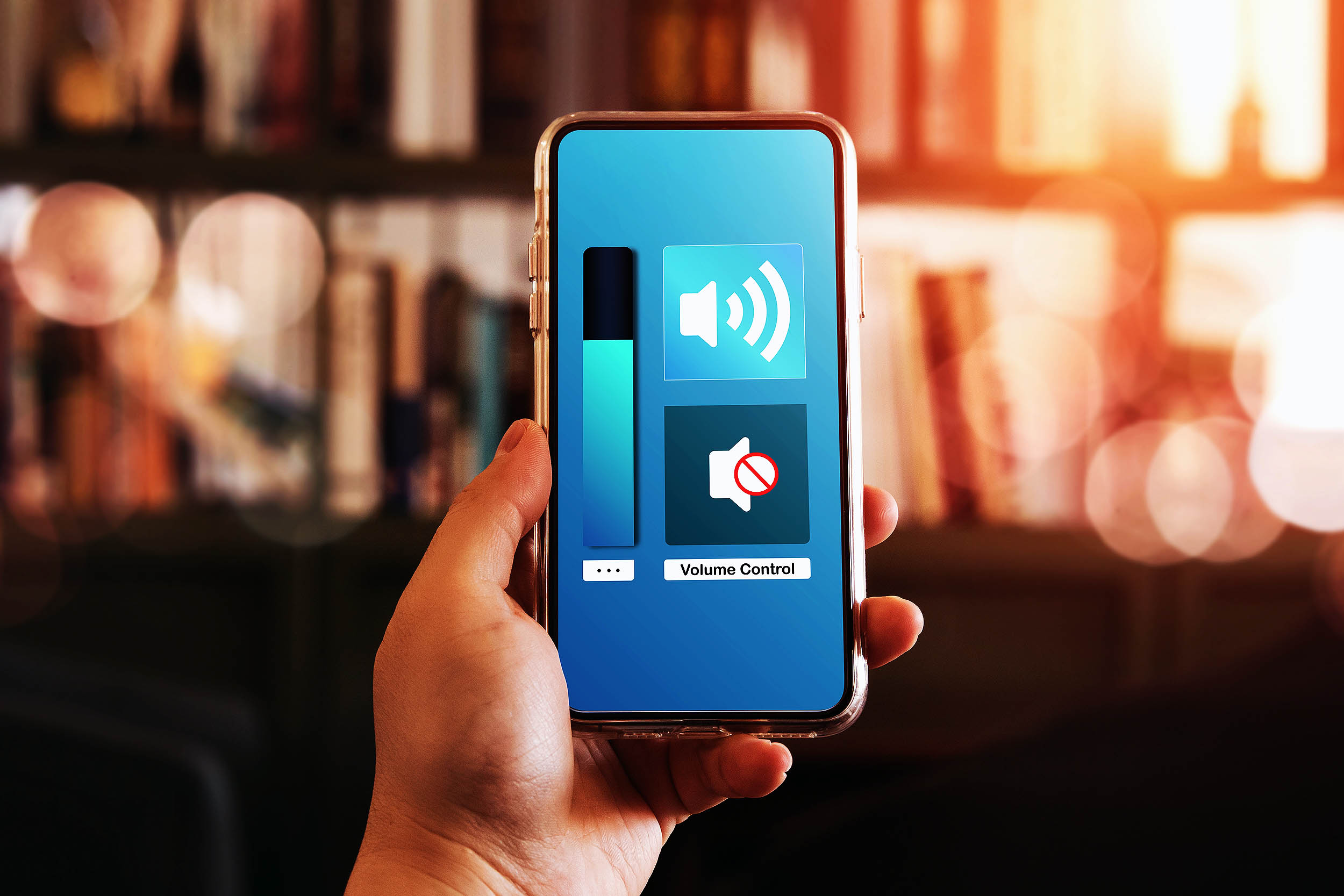
People who keep their cell phones on "silent mode" share similar psychological traits
Study reveals that keeping phones in "silent mode" improves focus, reduces stress, and increases workplace well-being among workers.
Won’t Stop ’Til You Get Enough? Determinants of Disengaging From Mobile Media Apps in Daily Life - Alicia Ernst, Anna Schnauber-Stockmann, 2025
While permanent connectivity has made media use ubiquitous and apps have become engagement optimized, little research has focused on the termination of (mobile)...

Understanding the influence of digital technology on human cognitive functions: A narrative review
In the era of rapid digitalization, the widespread integration of digital technology into various aspects of daily life has sparked significant interest in understanding its impact on cognitive mental processes. While the emerging data suggests that its influence may be positive or negative, the depth of evidence regarding neurobiological mechanisms remains limited. This review aims to synthesize previously published studies and develop a comprehensive framework that systematically categorizes digital technologies, the cognitive functions they impact, and developmental stages around the concept of neuroplasticity, while clearly illustrating their interconnections. Despite acknowledged limitations, through an exhaustive approach, this paper intends to offer a dynamic perspective on the effects of digital media on the human brain, before the onset of addiction.
The Linear Oppression of Note-taking Apps
What we lose when our digital notes remove the freedom to move
Your smartphone is making you stupid, antisocial and unhealthy. So why can’t you put it down?
A decade ago, smart devices promised to change the way we think and interact, and they have – but not by making us smarter. Eric Andrew-Gee explores the growing body of scientific evidence that digital distraction is damaging our minds

The Plan B OS for ubiquitous computing. Voice control, security, and terminals as case studies
Reflective smartphone disengagement: Conceptualization, measurement, and validation
The present paper develops a new concept, called Reflective Smartphone Disengagement (RSD), defined as individuals’ deliberate efforts to control and restrict smartphone use. Based on the reflective-impulsive model, we examined the RSD concept in four studies, using cross-sectional data of adolescents (Study 1, N = 453, Study 3, N = 760) and adults (Study 4, N = 672), as well as panel data of adults (Study 2, N = 461). In Study 1, findings from exploratory and confirmatory factor analyses supported the one-dimensionality of the RSD scale. In Study 2, we found evidence for high test–retest reliability as well as discriminant validity, and in terms of predictive validity, RSD negatively predicted excessive smartphone use, information overload, and the social availability norm over time. Study 3 demonstrated convergent validity with a negative relationship with trait nomophobia and a positive one with trait self-reflection. Study 4 confirms the structural validity of a shorter version of the scale. We discuss avenues for future research and broader implications of the RSD concept for the field.
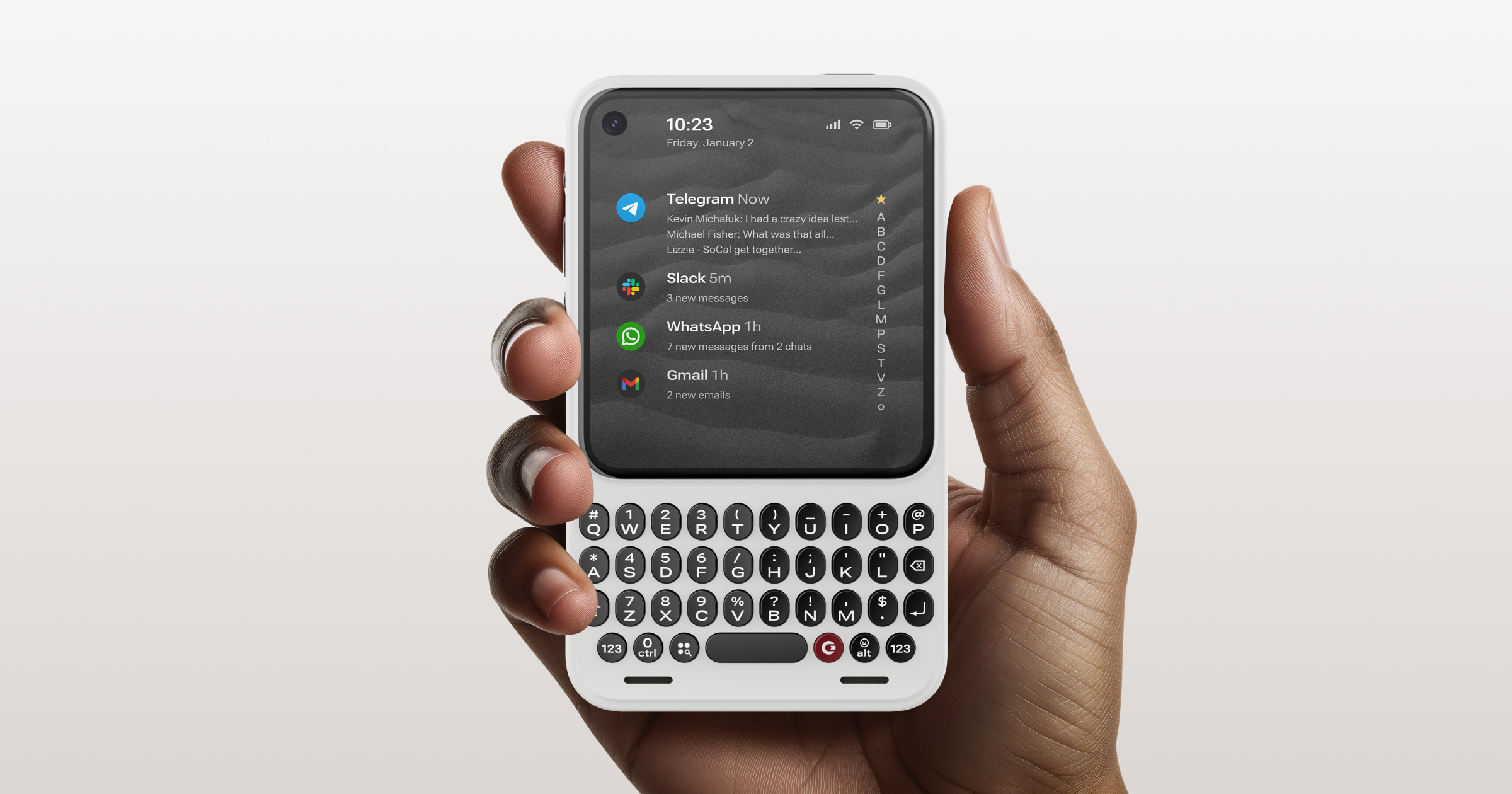
Clicks Communicator: the ultimate communication companion
Clicks Communicator is phone purpose-built for taking action and communicating in a noisy world with deeper context, versatile input and greater control in a compact design.
Decentralizing My Smartphone With Single Purpose Devices
Lately, I’ve become nostalgic for the days before smartphones, when the internet was a place we went to deliberately, and not a place that lived on all of ou...

Keyboard Shortcut Usage: The Roles of Social Factors and Computer Experience
Previous research (Lane, Napier, Peres, & Sándor, in press) has shown that despite the fact that it typically takes half as much time to issue a command to a computer application using that command's keyboard shortcut, most people issue a particular command by clicking an icon on a toolbar or by selecting the command from a pull-down menu. This study examined reasons why that might be the case with a web survey that focused on demographic characteristics of people who do and do not use keyboard shortcuts, as well as social factors of computer use that might influence use of keyboard shortcuts. Participants' shortcut usage was influenced by social factors, such as working in an environment with other shortcut users and experiential factors, primarily the hours spent using a computer per week.