


Computational media describes a vision of software, which, in contrast to application-centric software, is (1) malleable, so users can modify existing functionality, (2) computable, so users can run custom code, (3) distributable, so users can open documents across different devices, and (4) shareable, so users can easily share and collaborate on documents. Over the last ten years, the Webstrates and Codestrates projects aimed at realizing this vision of computational media. Webstrates is a server application that synchronizes the DOM of websites. Codestrates builds on top of Webstrates and adds an authoring environment, which blurs the use and development of applications. Grounded in a chronology of the development of Webstrates and Codestrates, we present eight tensions that we needed to balance during their development. We use these tensions as an analytical lens in three case studies and a game challenge in which participants created games using Codestrates. We discuss the results of the game challenge based on these tensions and present key takeaways for six of them. Finally, we present six lessons learned from our endeavor to realize the vision of computational media, demonstrating the balancing act of weighing the vision against the pragmatics of implementing a working system.
Webstrates
Webstrates # A Platform for Modern Computational Media Overview # Webstrates is a platform to explore software as computational media (read more in the “Background” below). Webstrates is a webserver where the pages it serves are collaboratively editable. This means that modifications to the Document Object Model (DOM), for instance, using the developer tools of a web browser, are synchronized with the server and with all other clients currently visiting the same webpage.
<i>Webstrates</i>: Shareable Dynamic Media
Shareable Dynamic Media is our vision for an interactive computing environment that blurs the distinction between documents and applications, characterized by three key properties: malleability, so that users can appropriate and repurpose media in ...

Malleable Software in the Age of AI - Geoffrey Litt
Malleable software: Restoring user agency in a world of locked-down apps
The original promise of personal computing was a new kind of clay. Instead, we got appliances: built far away, sealed, unchangeable. In this essay, we envision malleable software: tools that users can reshape with minimal friction to suit their unique needs.

Malleable software
computing environments where anyone can mold their tools to their own unique needs.That definition is by [[Geoffrey Litt]], who wrote [[Malleable software ...

What is Malleable Software Now | Bryan Min (02-27-2026)
Steven Vandevelde (@tokono.ma)
Looks like what I've been building is quite similar to what the foundation of Patchwork-26 is. Lots of "tiny apps" (atomization of software, loosely coupled) + just the web. Local-first and where everything revolves around the content (data-first, can use preferred UI/view). Happy to see this! 🎉

psf (@psf@oldbytes.space)
In their article ["Malleable Software"](https://www.inkandswitch.com/essay/malleable-software), Ink & Switch list various ways that modern software applications fail to serve the user: - Software is too rigid: users can’t tailor it to suit their workflow, except by entering the role of programmers. - Software applications are overspecialized "avocado slicers", not general tools like "knives", so their lack of tailorability is keenly felt. - Software doesn’t provide a reasonable learning curve from beginner to expert; in other words, time spent learning an application doesn’t unlock tailorability, instead the end user must learn an unrelated skill like a markup/scripting language or even the tool’s implementation language. - Software applications are increasingly siloed, so sharing data between apps, let alone orchestrating cross-app workflows, is overly difficult. These are real problems. From what I can tell, Ink & Switch are software researchers, and view the problems from a highly technical perspective, focusing on novel infrastructure that enables end-user programmability. They pose questions such as "how do we ease users into programming?" and "instead of shipping a dead, static binary, can we ship a living image containing programming tools allowing it to be modified in arbitrary ways while still running?" These ideas are technologically exquisite, but they fail to provide a gentle learning curve. (cont'd) 🧵
Stigmergic Collaboration: A Theoretical Framework for Mass Collaboration
"This thesis presents an application-oriented theoretical framework for generalised and specific collaborative contexts with a special focus on Internet-based mass collaboration. The proposed framework is informed by the author's many years of collaborative arts practice and the design, building and moderation of a number of online collaborative environments across a wide range of contexts and applications. The thesis provides transdisciplinary architecture for describing the underlying mechanisms that have enabled the emergence of mass collaboration and other activities associated with 'Web 2.0' by incorporating a collaboratively developed definition and general framework for collaboration and collective activity, as well as theories of swarm intelligence, stigmergy, and distributed cognition. "Accompanying this creative arts thesis is a DVD-Rom which includes offline versions of the three Internet based collaborative environments designed, built and implemented in accordance with the frameworks for digital stigmergy and mass collaboration developed in the written work. The creative works in conjunction with the written thesis help to explore and more rigorously define the collaborative process in general, while testing the theory that stigmergy is an inherent component of collaborative processes which incorporate collective material production. "Supported by a range of contemporary examples of Internet activity, including the accompanying creative works, it is found that stigmergy is a deeply rooted mechanism inherent in not only traditional material collaborative processes, but a range of emerging online practices which may be broadly categorised as digital stigmergic cooperation and collaboration. This latter class enables the extreme scaling seen in mass collaborative projects such as Wikipedia.org, open source software projects and the massive, multiplayer environment, Second Life. This scaling is achieved through a range of attributes which are examined, such as the provision of a localised site of individualistic engagement which reduces demands placed upon participants by the social negotiation of contributions while increasing capacity for direct and immediate creative participation via digital workspaces. Also examined are a range of cultural, economic and sociopolitical impacts which emerge as a direct result of mass collaboration's highly distributed, non-market based, peer-production processes, all of which are shown to have important implications for the further transformation of our contemporary information and media landscape."
01 - Decentralized Web: An Introduction - Resource Guide
This resource guide was created to accompany Session 01 of the Webinar Series Imagining a Better Online World: Exploring the Decentralized Web. This session introduced essential DWeb concepts to library workers through demonstrations, resources, and examples of decentralized technologies in action. A video recording of this session has been archived by the Internet Archive and it can be viewed here.

Web of the People — Open Indie
Whether you think of web3 as the advent of peer-to-peer protocols, coin-operated blockchains or autocomplete-AI synthesizers, change is c...
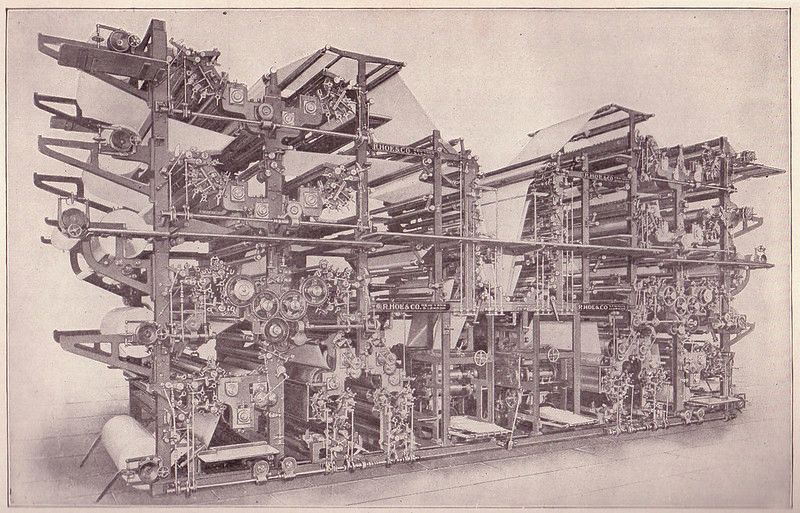
Local-first Software
Exploring software architecture that returns data to users and enables collaboration in every tool.
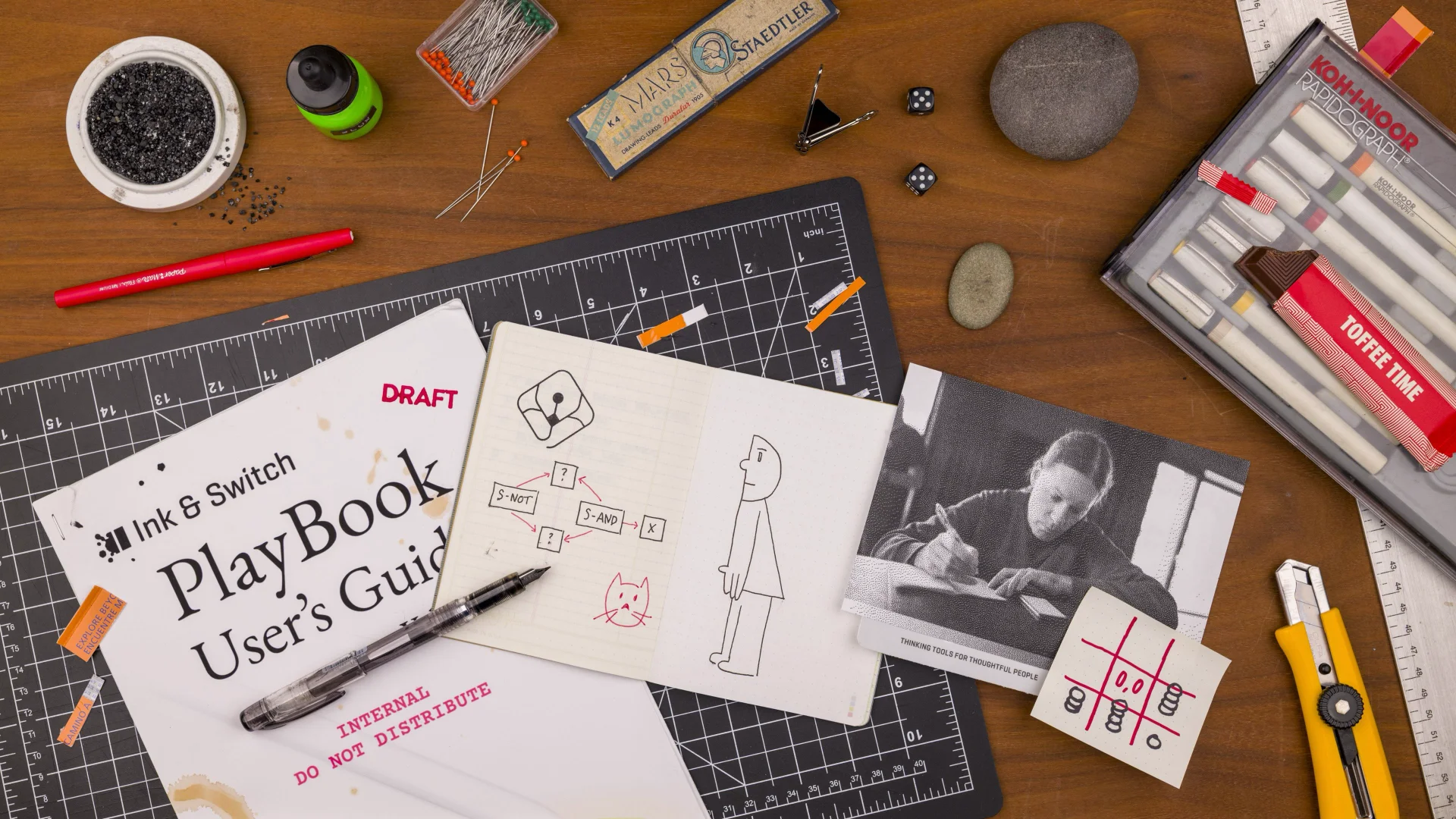
Geoffrey Litt
Welcome! I work on malleable software: computing environments where anyone can adapt their software to meet their needs with minimal friction. To see what that means to me, read this essay or listen to this interview.

Identifying Barriers to Adoption for Rust through Online Discourse (PLATEAU 2018) - SPLASH 2018
For PLATEAU 2019, see the workshop webpage at http://plateau-workshop.org/. Programming languages exist to enable programmers to develop software effectively. But programmer efficiency depends on the usability of the languages and tools with which they develop software. The aim of this workshop is to discuss methods, metrics and techniques for evaluating the usability of languages and language tools. The supposed benefits of such languages and tools cover a large space, including making programs easier to read, write, and maintain; allowing programmers to write more flexible and powerful ...

Learn about Lore: next-generation open source version control
Maintained by Epic Games, Lore is designed for unprecedented scalability of both data and teams. It’s optimized for projects that combine code with large binary assets.