


Programming is most often viewed as a way for experts to get computers to perform complex tasks efficiently and reliably. Boxer presents an alternative image—programming as a way for nonexperts to control a reconstructible medium, much like written ...
Call for Participation
ACM Conference on Equity and Access in Algorithms, Mechanisms, and Optimization
Substrates conference series - Substrates 2026
An increasing number of researchers see their work as interactive authoring tools or software substrates for interactive computational media. By talking about “authoring tools”, we remove the divide between programmers and users; “software substrates” let us look beyond conventional programming languages and systems; and “interactive computational media” promises a more malleable and adaptable notion of tools for thought we are striving for. This workshop aims to bring together a wide range of perspectives on these matters.
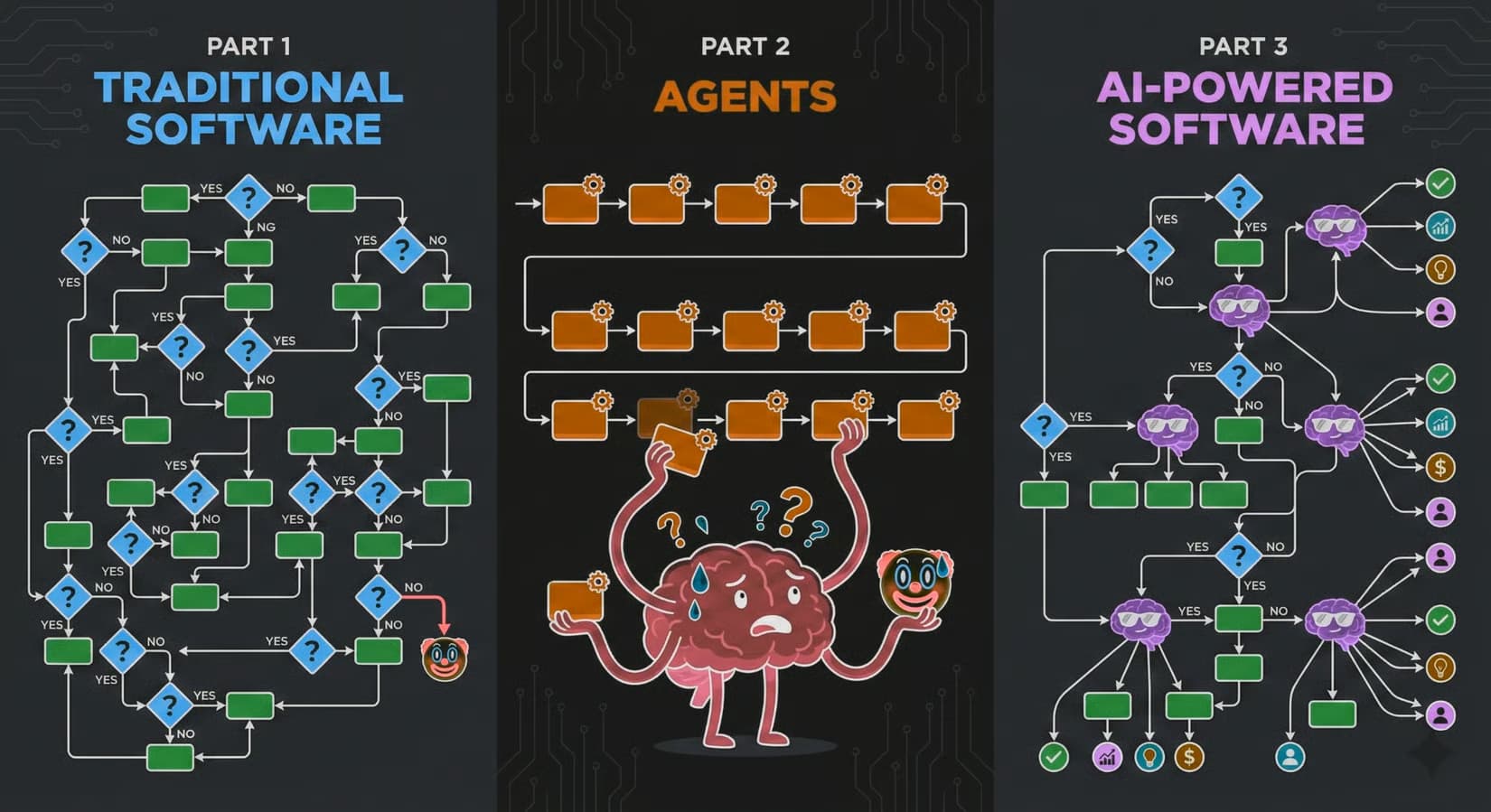
Modular: The Claude C Compiler: What It Reveals About the Future of Software
Compilers occupy a special place in computer science. They're a canonical course in computer science education. Building one is a rite of passage. It forces you to confront how software actually works, by examining languages, abstractions, hardware, and the boundary between human intent and machine execution.

Bidirectionalization for free! (Pearl) | Proceedings of the 36th annual ACM SIGPLAN-SIGACT symposium on Principles of programming languages
A bidirectional transformation consists of a function get that takes a source (document or value) to a view and a function put that takes an updated view and the original source back to an updated source, governed by certain consistency conditions ...

Prime Agent: A self-improving RLM agent
Prime Agent is our open-source, self-improving coding harness built around two abstractions: the Recursive Language Model (RLM) and the Continual Harness. With Opus 5, it achieves 95.5% on ARC-AGI-3, surpassing the reported human expert baseline.
Fine-grained and accurate source code differencing | Proceedings of the 29th ACM/IEEE International Conference on Automated Software Engineering
As part of the Digital Library's transition to Open Access, new features for researchers are available in the Premium Edition. Click here to learn more.

Universal Virtual Computer
The specification of an hypothetical computer designed to decode and preserve some form of computation over time.
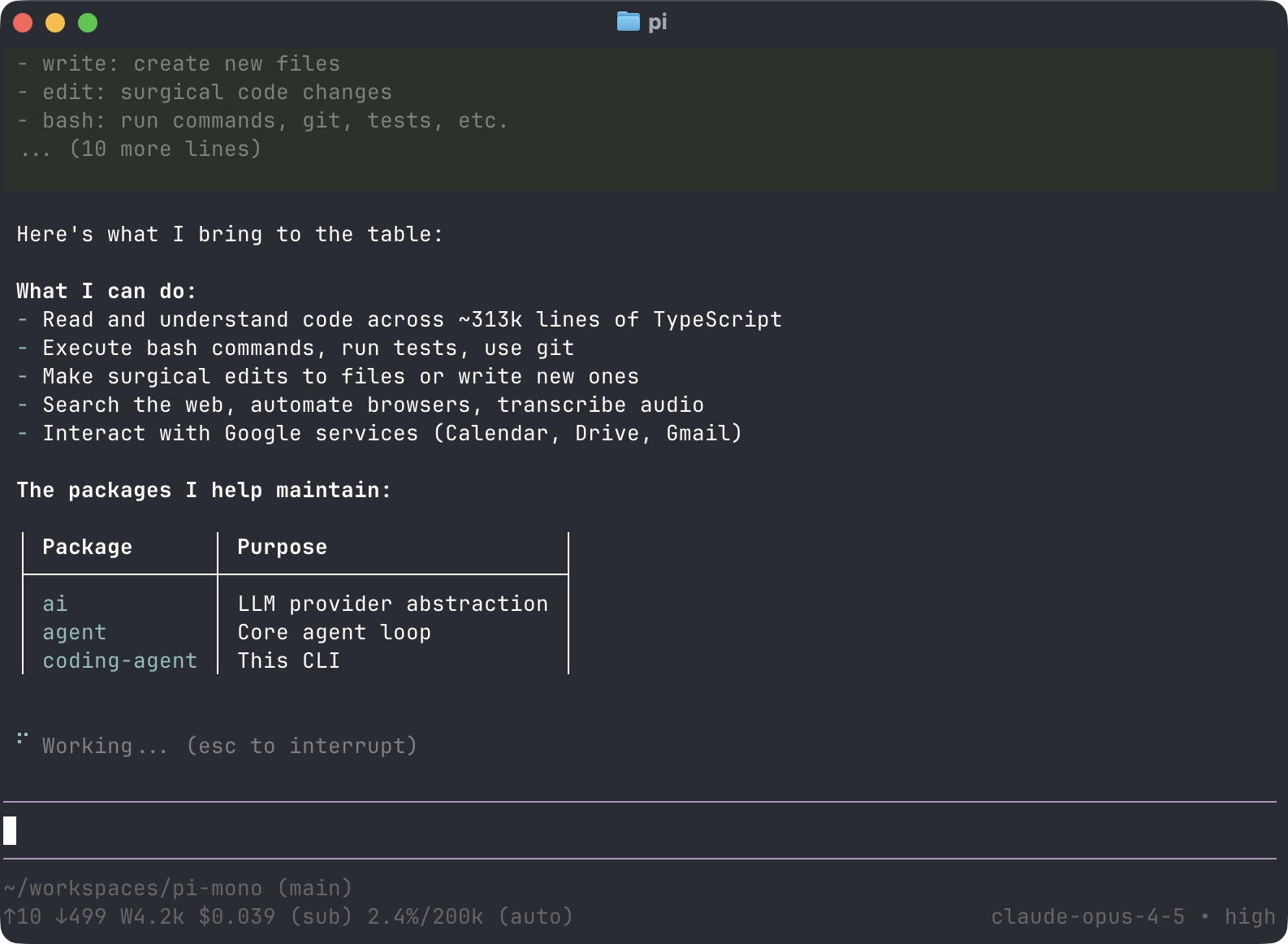
In defense of not reading the code | Ben Shoemaker
Last week, I wrote an article whose purpose was to discuss where I saw AI-assisted coding going. That's not what generated 200 comments worth of passionate...
Quickly Training Game-Playing Agents with Machine Learning
Posted by Leopold Haller and Hernan Moraldo, Software Engineers, Google Research In the last two decades, dramatic advances in compute and connecti...

Resugaring | Proceedings of the 35th ACM SIGPLAN Conference on Programming Language Design and Implementation
Syntactic sugar plays a crucial role in engineering programming languages. It offers convenient syntax and higher-level of abstractions, as witnessed by its pervasive use in both general-purpose and domain-specific contexts. Unfortunately, the ...

Rachel Thomas on Twitter / X
"We argue for a reorientation from autonomous to human-centered coding agents: systems designed not only to complete tasks, but to collaborate effectively with people."@ZhiruoW @jyangballin @KLierethttps://t.co/ncWiAUxwbo 1/— Rachel Thomas (@math_rachel) October 20, 2026
Tree Borrows | Proceedings of the ACM on Programming Languages
The Rust programming language is well known for its ownership-based type system, which offers strong guarantees like memory safety and data race freedom. However, Rust also provides unsafe escape hatches, for which safety is not guaranteed automatically ...
