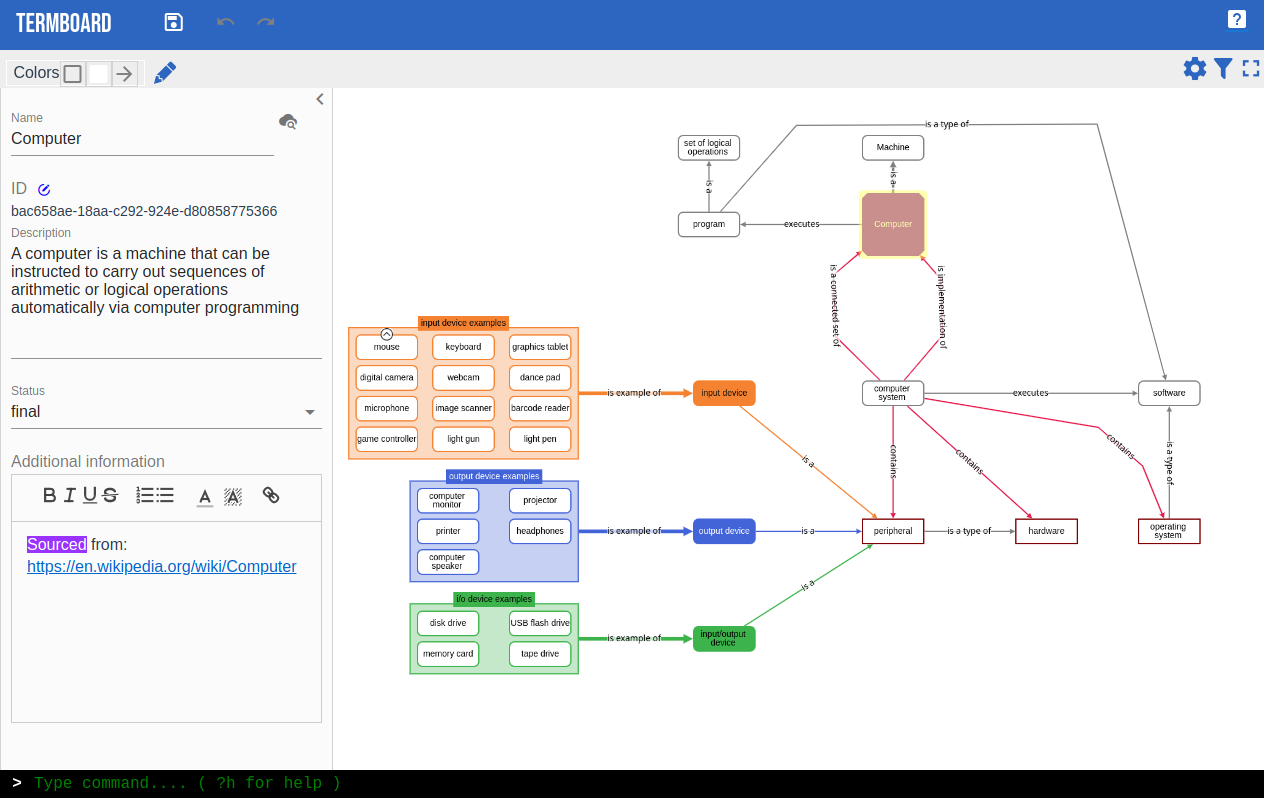
We introduce a new approach to planning in STRIPS-like domains based on constructing and analyzing a compact structure we call a Planning Graph. We describe a new planner, Graphplan, that uses this paradigm. Graphplan always returns a shortest-possible ...
Planning with Agents: Divided Worlds, Boundary Objects, and Thicker Interfaces
Why we need richer, thicker interfaces and better boundary objects for collaborative planning with agents
Planning with Agents: Divided Worlds, Boundary Objects, and Thicker Interfaces
Why we need richer, thicker interfaces and better boundary objects for collaborative planning with agents
Who needs Graphviz when you can build it yourself?
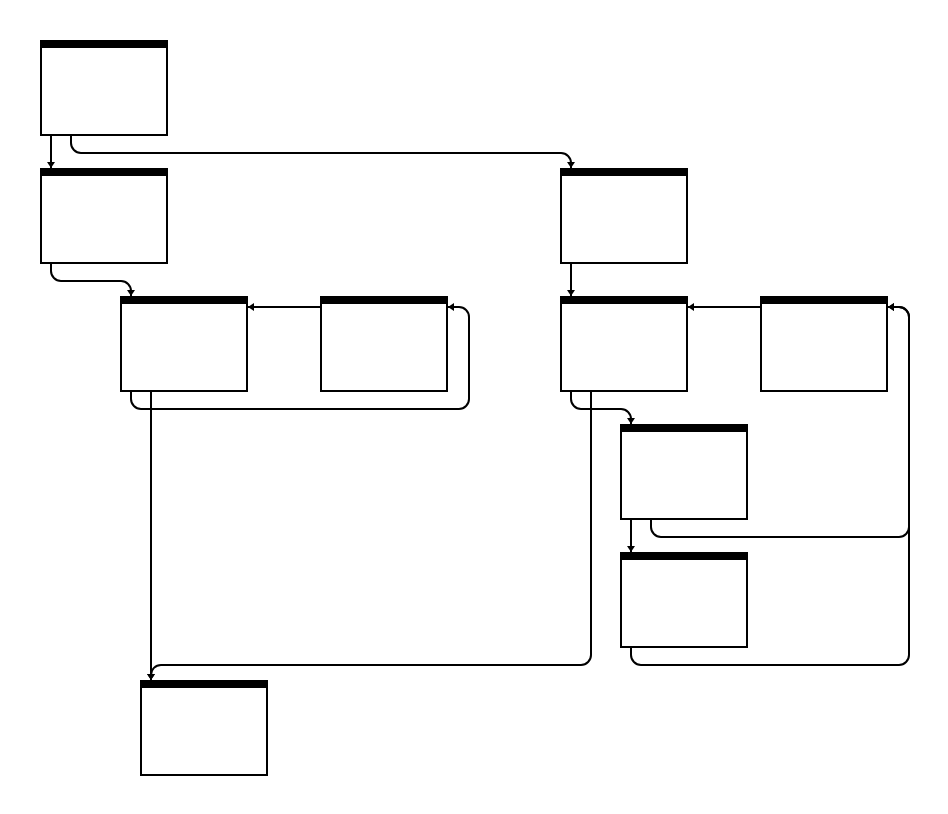
Exploring a new layout algorithm for control flow graphs.
notactuallytreyanastasio/deciduous
Decision graph tooling for AI-assisted development - track every choice, query your reasoning
Linear – The system for product development
Purpose-built for planning and building products with AI agents.
Planning - The Core Reason Why Gameplay Feels Good
In this post I dig into planning, and how it is a fundamental part of what makes a game engaging. Planning affects many aspects of what is s...


New tools for building agents

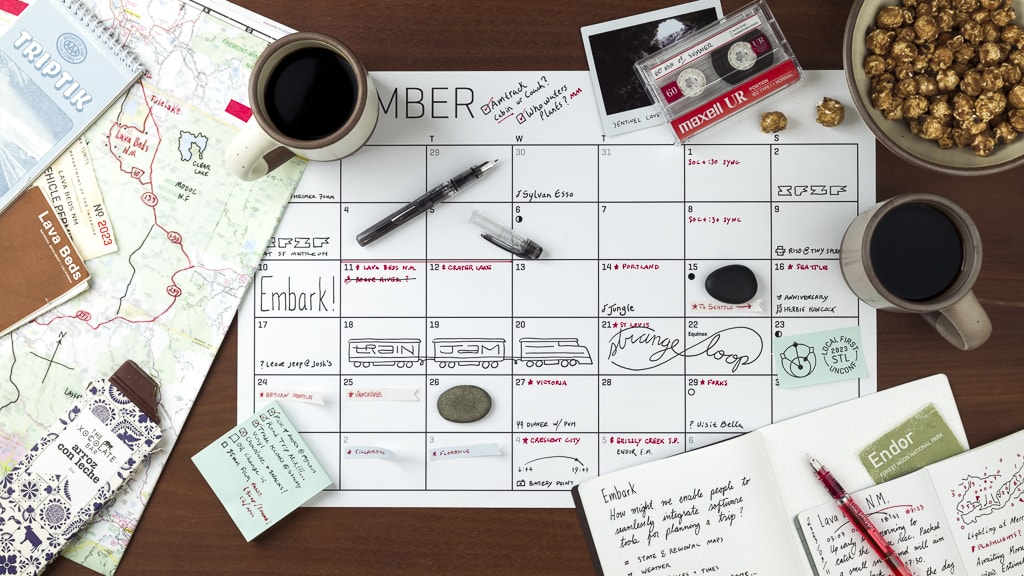
Embark: Dynamic documents for making plans
Gradually enriching a text outline with travel planning tools.
François Chollet on Twitter / X
Eventually, much of AI will converge towards intuition-guided symbolic world modeling, i.e. deep learning-guided program synthesis. It is inevitable. Symbolic modeling lets a system construct a compact, reusable, highly generalizable mental model of a problem space using minimal…— François Chollet (@fchollet) July 2, 2026
Plans & Pricing | Claude by Anthropic
Choose the Claude plan that fits how you solve problems. Free, Pro, Max, Team, and Enterprise tiers, plus API pricing for developers.

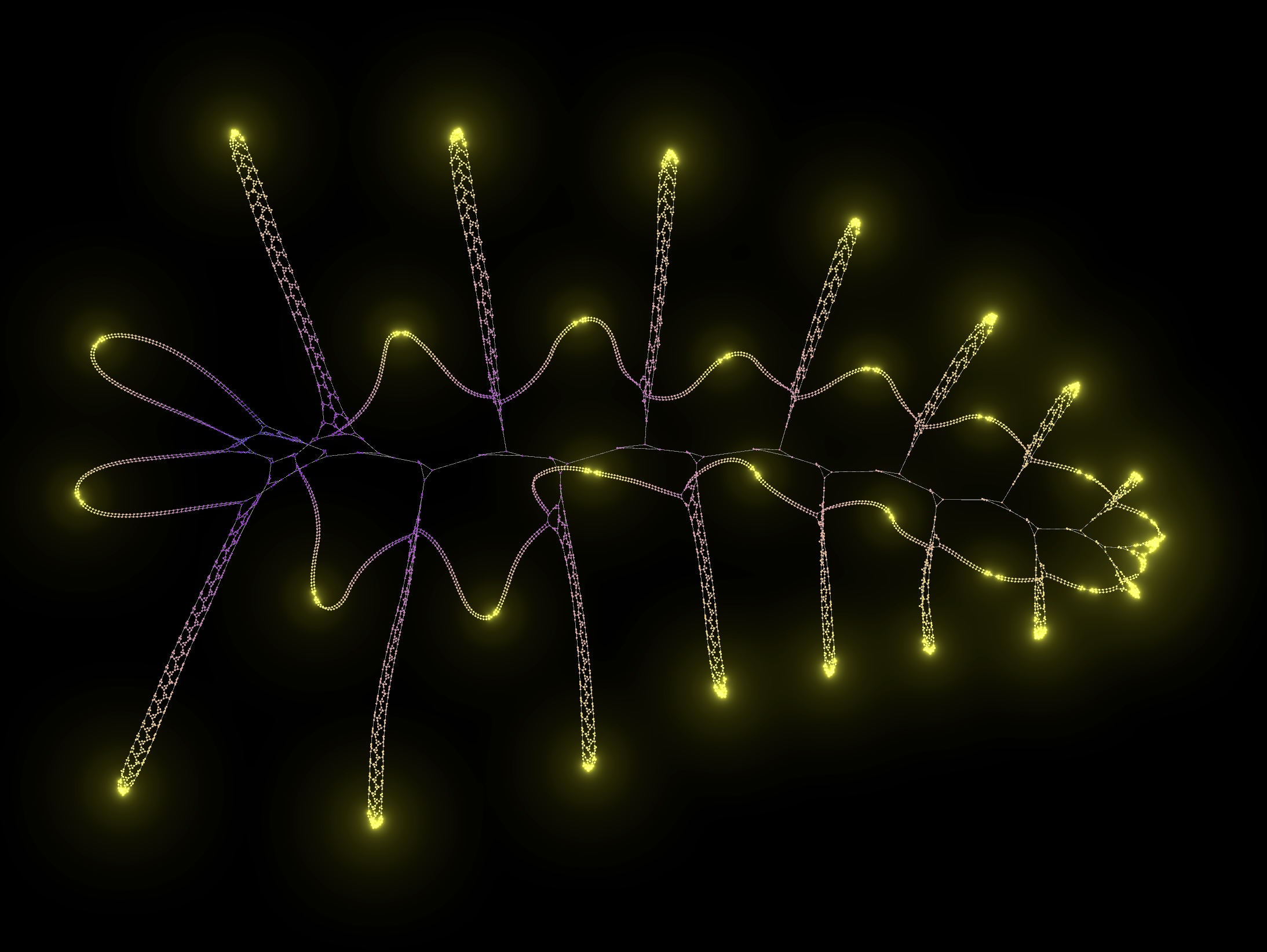
Growing Graphs
Experimental simulation of emergent complexity through graph-rewriting automata.
Specification of graph translators with triple graph grammars
Data integration is a key issue for any integrated set of software tools. A typical CASE environment, for instance, offers tools for the manipulation of requirements and software design documents, and it provides more or less sophisticated assistance for keeping these documents in a consistent state. Up to now, almost all data consistency observing or preserving integration tools are hand-crafted due to the lack of generic implementation frameworks and the absence of adequate specification formalisms. Triple graph grammars are intended to fill this gap and to support the specification of interdependencies between graph-like data structures on a very high level. Furthermore, they are the fundamentals of a new machinery for the production of batch-oriented as well as incrementally working data integration tools.

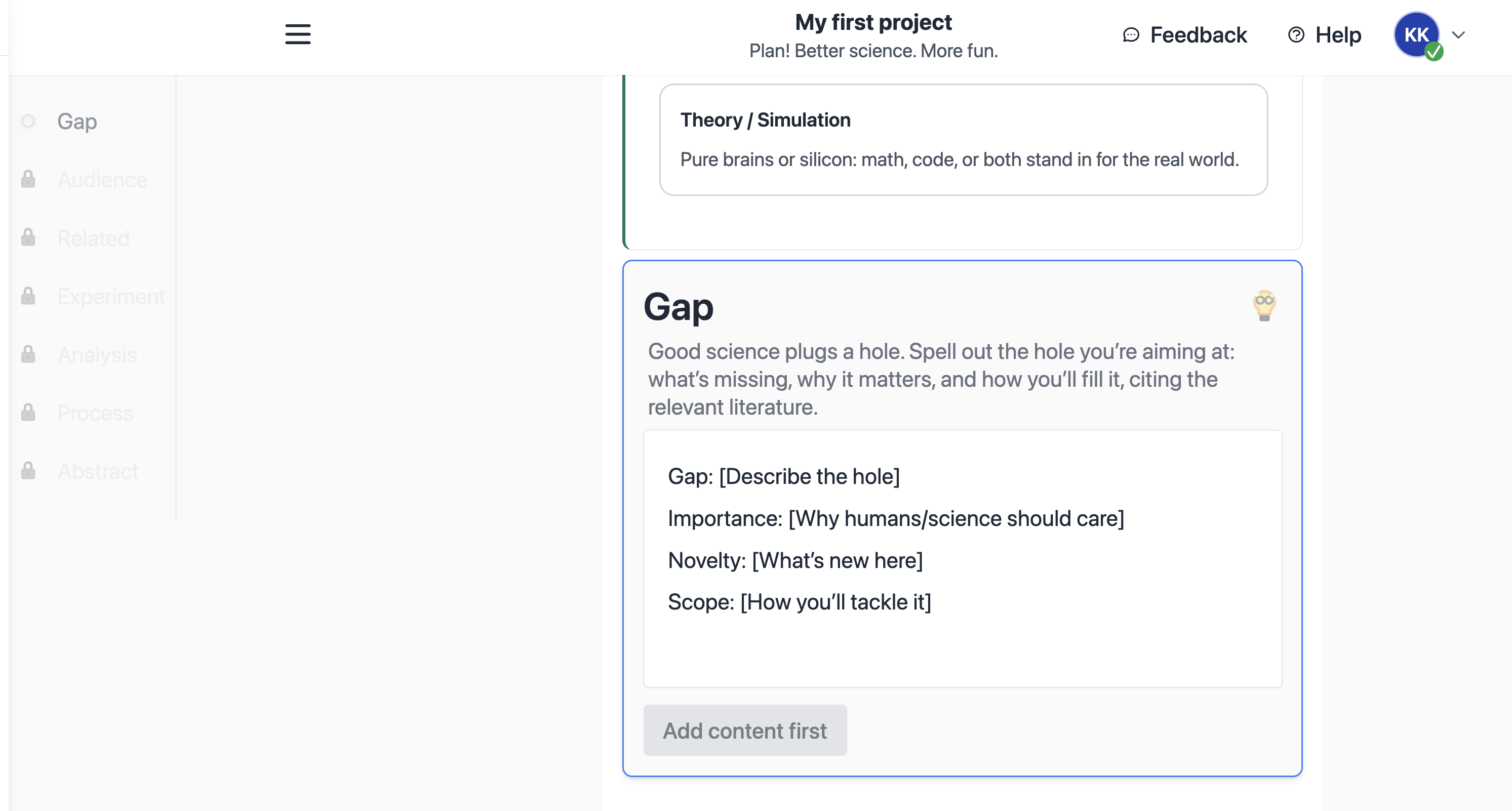
Scientific Paper Planner - AI Research Planning
Structure your scientific research with AI-powered guidance
A Local-First Task Planner On ATProto - tyler's blog