

Sustainable polyculture gardens thrive more effectively when they are designed with an awareness of other gardens in the community, as opposed to as individual gardens. However, the complex characteristics of plants, and their relations to other plant species in terms of needs and capacities, require a complex knowledge base not easily acquired by novice gardeners. We contribute a demonstration of our project, called the Software for Agricultural Ecosystems (SAGE) Community Coordinator, that helps manage the complexities of plant relationships and provides planting suggestions based on existing plants in adjacent garden sites. The research team collected the requirements and developed a preliminary demonstration of this system. This demonstration shows the feasibility of the idea and lays the foundation for a more comprehensive implementation of the SAGE Community Coordinator. By doing so, this paper explores the use of technology to foster the establishment of complex plant assemblages in urban and suburban areas to address the current and future limits of material resources derived from plants.
A social-ecological framework for analyzing and designing integrated crop–livestock systems from farm to territory levels
Integrated crop–livestock systems are often considered a promising way to address agricultural sustainability issues. Many authors claim that complementarities and synergies between crops and livestock can improve nutrient cycling and delivery of ecosystem services (ES) in agricultural systems. They have analyzed effects of interactions at the farm level and affirmed the potential advantage of developing crop–livestock interactions at the territory level. However, potential benefits of developing synergies beyond the farm level have not been clearly identified. Thus, we developed a conceptual framework that can be used to analyze, design and perform integrated assessment of crop–livestock systems at the territory level. To address crop–livestock interaction issues, we define it as a social-ecological system called the territorial crop–livestock system (TCLS). The ecological system is represented as three interacting components, crops, grasslands and animals, allowing description of various land uses and their potential effects on nutrient cycling and ES. The social system, represented as farmers interacting with natural-resource managers and agro-food chain actors, determines land use and the nature and intensity of ES delivered. We highlight the importance of coordination and learning among actors to support implementation of complex adaptive systems such as TCLSs. We illustrate the expressive power of our conceptual framework through development of a generic typology of crop–livestock systems. Then we show how our conceptual framework can be used as an intermediary object with stakeholders in participatory design approaches. We illustrate this process by representing four archetypal TCLSs. We provide an example of the design approach implemented in Southwestern France to address severe recurrent water shortages, which includes analysis of land use in the current crop–livestock system and the associated key metabolic and ES issues, identification of options for change and multi-criteria analysis of these options. We conclude that this framework shows great potential to support development of sustainable farming systems at the territory level.
Chatty Community Gardens
Group chat is fertile soil for low-stakes ideation. With tending, seeds of thought can grow into structured, evergreen knowledge.
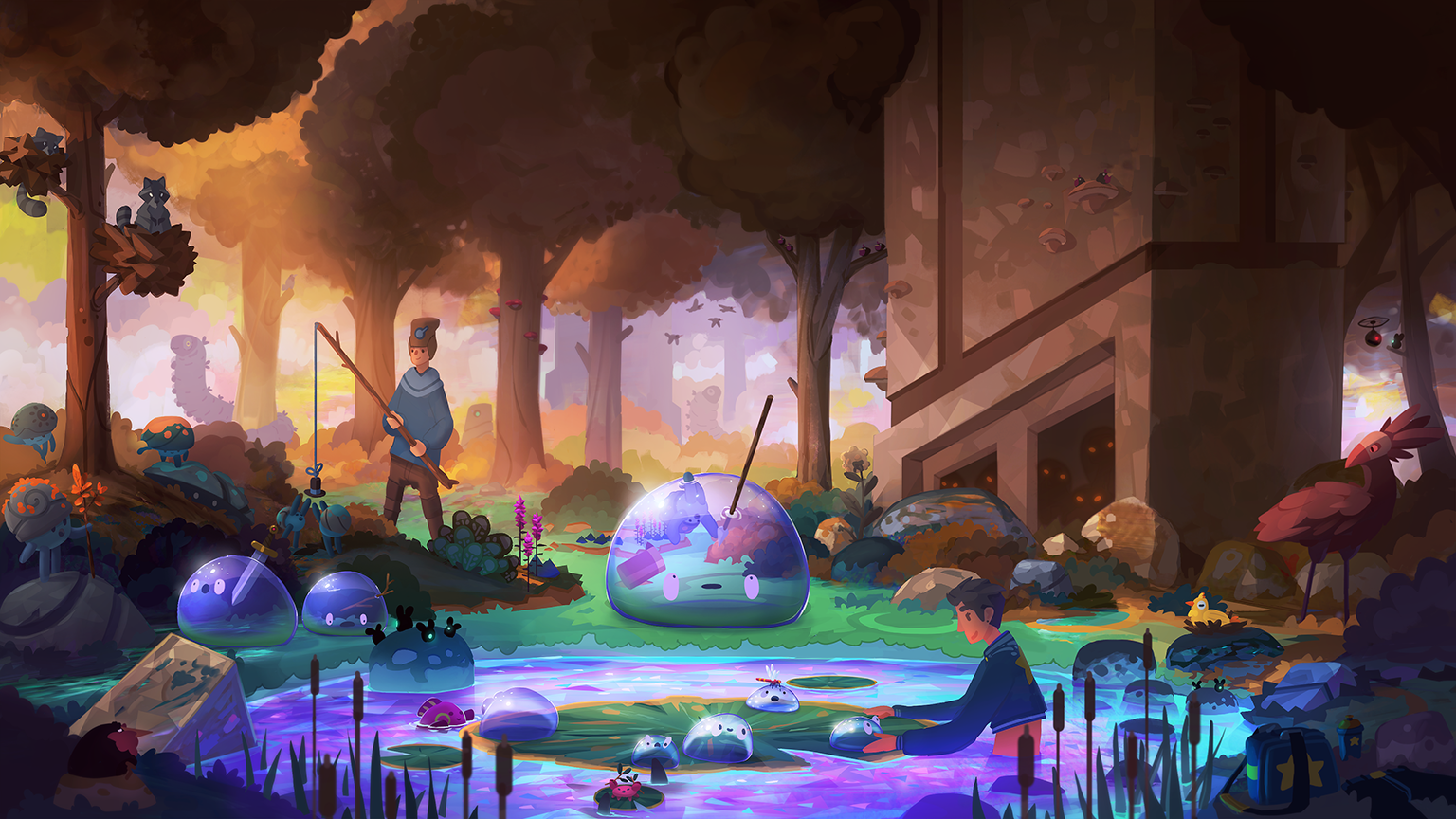

Digital gardening
I've been thinking about gardens this week. It started while reading the book Shopkeeping, which had a section entitled "Gardening": > A good shopkeeper will no...

Digital gardening
I've been thinking about gardens this week. It started while reading the book Shopkeeping, which had a section entitled "Gardening": > A good shopkeeper will no...
Soil Assembly
Soil Assembly brings together diverse communities working across ecology, culture, agriculture, research, and collective practice. We invite practitioners, learners, and communities to contribute to a growing network rooted in living soil, regenerative thinking, and shared ecological futures.
Digital Gardening for Non-Technical Folks
How to build a digital garden without touching code
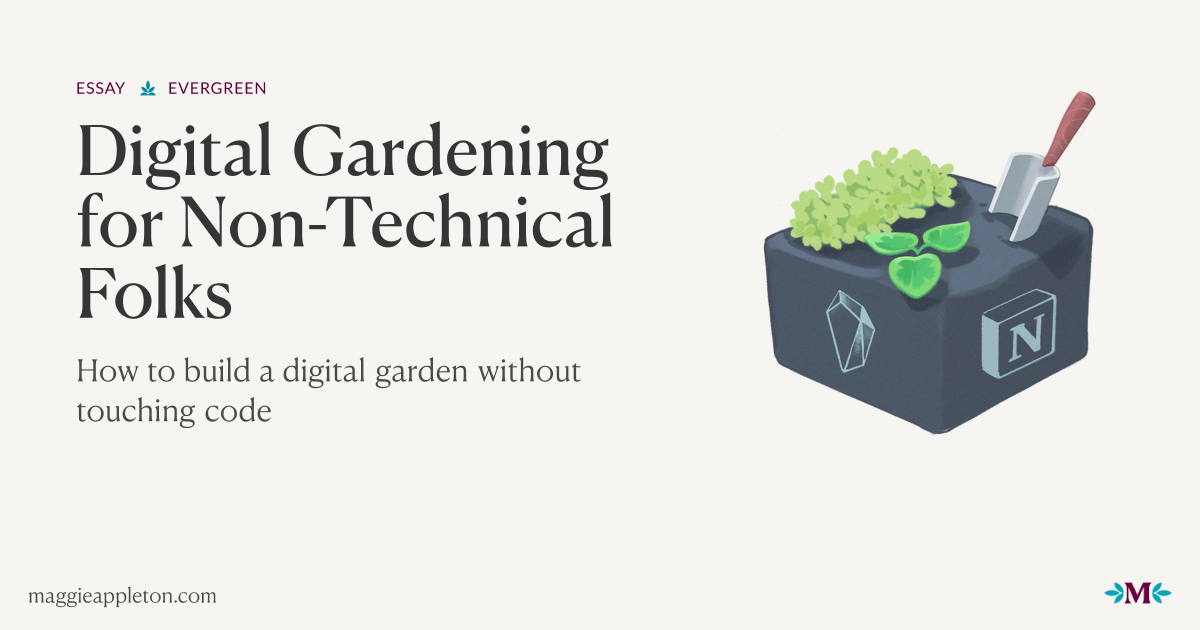
Digital Gardening for Non-Technical Folks
How to build a digital garden without touching code
Crop–livestock integration beyond the farm level: a review
AbstractParadoxically, the number of crop–livestock farms is declining across Europe, despite the fact that crop-livestock farms are theoretically optimal to improve the sustainability of agriculture. To solve this issue, crop–livestock integration may be organized beyond the farm level. For instance, local groups of farmers can negotiate land-use allocation patterns and exchange materials such as manure, grain, and straw. Development of such a collective agricultural system raises questions, rarely documented in the literature, about how to integrate crops and livestock among farms, and the consequences, impacts, and conditions of integrating them. Here, we review the different forms of crop–livestock integration beyond the farm level, their potential benefits, and the features of decision support systems (DSS) needed for the integration process. We identify three forms of crop–livestock integration beyond the farm level: local coexistence, complementarity, and synergy, each with increasingly stronger temporal, spatial, and organizational coordination among farms. We claim that the forms of integration implemented define the nature, area, and spatial configuration of crops, grasslands, and animals in farms and landscapes. In turn, these configurations influence the provision of ecosystem services. For instance, we show that the synergy form of integration promotes soil fertility, erosion control, and field-level biological regulation services through organizational coordination among farmers and spatiotemporal integration between crops, grasslands, and animals. We found that social benefits of the synergy form of integration include collective empowerment of farmers. We claim that design of the complementarity and synergy forms of crop–livestock integration can best be supported by collective participatory workshops involving farmers, agricultural consultants, and researchers. In these workshops, spatialized simulation modeling of crop–livestock integration among farms is the basis for achieving the upscaling process involved in integrating beyond the farm level. Facilitators of these workshops have to pay attention to the consequences on governance and equity issues within farmers groups.
Open Agroecology Laboratory – REGOSH
We build open tools and participatory processes to support agroecological transitions.
Atmosphere Community
A community space for coordinating, convening, and collaboration around ATProto
Home - Houston Botanic Garden
A wide variety of plant life and ecosystems, plus 2.5 miles of walking trails. Make memories at Houston Botanic Garden. Family friendly. Support. Educate.

I love this idea of "houseplant programming" and have long thought gardening was a great metaphor for a lot of what I do as a software developer. Nice to see Miren setting up a cozy home for plants in the garden <3 miren.dev/blog/garden-server

Everybody Could Use a Garden Server - Miren
miren.devDigital gardening

Digital gardens in theory and practice
oleeskild/obsidian-digital-garden
Tranquil PDS
Garden and the Stream - thoughts
Digital Gardens (by owais) — Semble
digital gardens (by treethought) — Semble

