With access control and encryption no longer capable of protecting privacy, laws and systems are needed that hold people accountable for the misuse of personal information, whether public or secret.
Privacy under attack: the NSA files revealed new threats to democracy
We now know the apparatus of repression has been attached to the democratic state, but our struggle for privacy is far from hopeless. By Eben Moglen

ĐApps: What Web 3.0 Looks Like
As we move into the future, we find increasing need for a zero-trust interaction system. Even pre-Snowden, we had realised that entrusting our information to arbitrary entities on the internet was fraught with danger. However, post-Snowden the argument plainly falls in the hand of those who believe that large organisations and governments routinely attempt to stretch and overstep their authority. Thus we realise that entrusting our information to organisations in general is a fundamentally broken model. The chance of an organisation not meddling with our data is merely the effort required minus their expected gains. Given they tend to have an income model that requires they know as much about people as possible the realist will realise that the potential for convert misuse is difficult to overestimate.
Who owns your data?
A Supreme Court case about a bank robbery could redefine your digital rights.

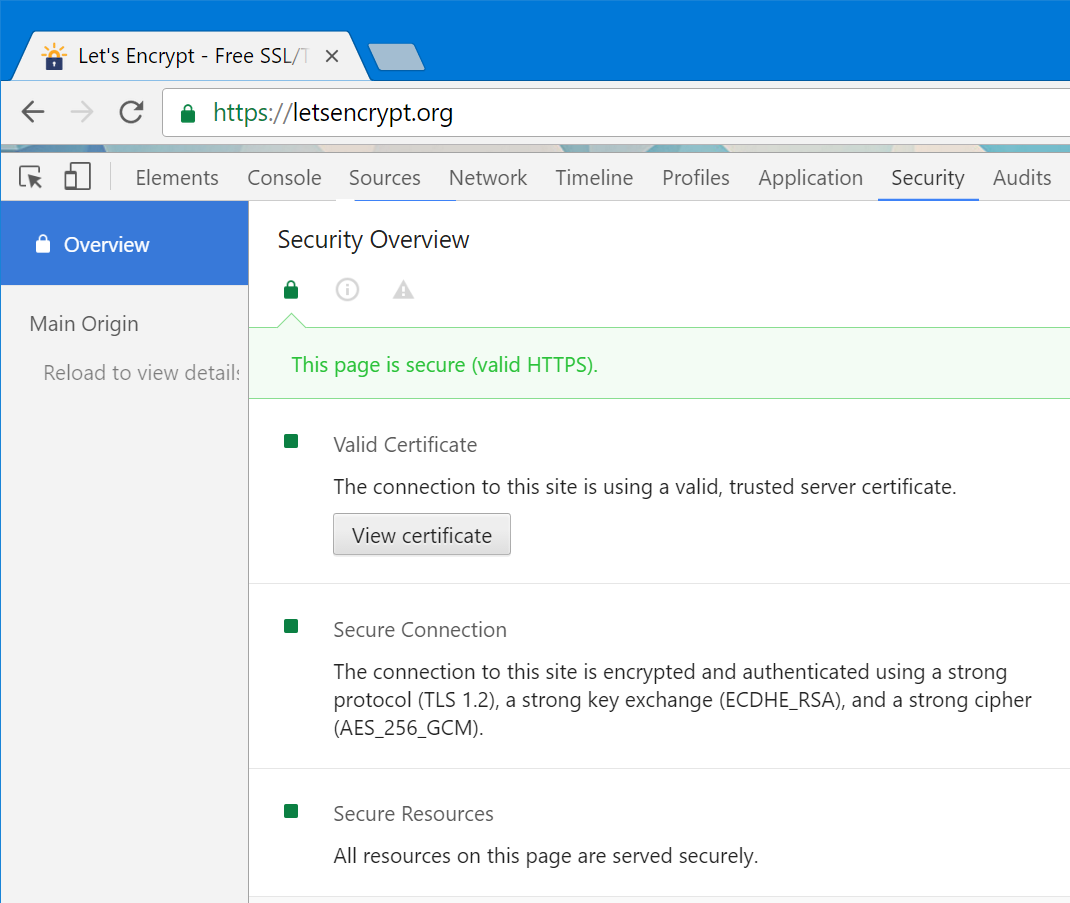
Let’s Encrypt Everything
I’ll admit I was late to the HTTPS party. But post Snowden, and particularly after the result of the last election here in the US, it’s clear that everything on the web should be encrypted by default. Why? 1. You have an inalienable right to privacy, both in
IACIS 2026 - OpenConf Abstract Submission, Peer Review, and Event Management System
As lawmakers across the United States move to require age verification for access to adult content online, new questions are emerging about the unintended risks these laws create. While intended to protect minors, many of these policies rely on systems that collect and store overly sensitive personal information such as government-issued IDs or biometric data without adequate safeguards. This introduces serious cybersecurity vulnerabilities, privacy concerns, and potential legal liability for platforms and users alike. Some major platforms have already withdrawn from certain states rather than comply, raising questions about the real-world feasibility of these laws. This study examines the intersection of digital privacy, cybersecurity, and legal compliance in the context of mandatory age verification. It analyzes the risks posed by identity-based and biometric systems, the role of third-party vendors, and the inconsistencies in how states define and enforce these requirements. The paper evaluates several age verification models and concludes that attribute-based verification systems that confirm age eligibility without revealing full identities offers the most secure and privacy-conscious path forward. The findings underscore a critical need for better-designed legislation that balances child protection with digital rights and security. This research provides targeted recommendations for policymakers, platform operators, and cybersecurity professionals, urging a shift toward transparent, accountable, and technically sound solutions before flawed systems become entrenched.
Introducing ONCE
Once upon a time you owned what you paid for, you controlled what you depended on, and your privacy and security were your own business. We think it’s that time again.
Know Your Rights
Last Updated October 2014. By Hanni Fakhoury and Dia Kayyali Your computer, phone, and other digital devices hold vast amounts of personal information about you and your family. This sensitive data
Accountability sinks
In The Unaccountability Machine, Dan Davies argues that organizations form “accountability sinks,” structures that absorb or obscure the consequences of a decision such that no one can be held dire...
Privacy and human behavior in the age of information
This Review summarizes and draws connections between diverse streams of empirical research on privacy behavior. We use three themes to connect insights from social and behavioral sciences: people's uncertainty about the consequences of privacy-related behaviors and their own preferences over those consequences; the context-dependence of people's concern, or lack thereof, about privacy; and the degree to which privacy concerns are malleable—manipulable by commercial and governmental interests. Organizing our discussion by these themes, we offer observations concerning the role of public policy in the protection of privacy in the information age.
How (Not) to Write a Privacy Law
After many years of failed starts, proposed information privacy legislation has begun moving forward in both houses of Congress. The docket in the recently ended 116th Congress was crowded, with a number of different proposals jostling for attention and no agreement on which deserved to be the front runner. Even so, as the 117th Congress begins, there is growing inside-the-Beltway consensus on the list of features that a successful bill will need to include. This paper critically assesses those zones of emerging consensus.
A Cypherpunk's Manifesto
Privacy is necessary for an open society in the electronic age. Privacy is not secrecy. A private matter is something one doesn't want the whole world to know, but a secret matter is something one doesn't want anybody to know. Privacy is the power to selectively reveal oneself to the world.
We Need A Massive Surveillance Program (Idle Words)
I am a privacy activist who has been riding a variety of high horses about the dangers of permanent, ubiquitous data collection since 2012.
Why Big Tech's Privacy Promises Are Lies
Privacy concerns with Google
Privacy concerns with Google include a wide range of issues and controversies related to collection, use, and sharing of user data across Google products, services, and platforms, including Google Search. Since the mid-2000s, civil liberties organizations and government regulators have criticized and taken action against Google related to Internet privacy issues in its data collection and data retention policies, web tracking practices, cooperation with intelligence agencies and law enforcement agencies, and other activities. These concerns are a frequent theme in criticism of Google.
Self-sovereign identity: the future of personal data ownership?
Despite the economic value of online identities, major concerns remain around privacy issues. Could the self-sovereign identity model be the solution?

Why Meta is retreating from encryption
In 2019, Mark Zuckerberg called privacy the future of social networking. Not anymore