Is My Toddler a Stochastic Parrot?
The world is racing to develop ever more sophisticated large language models while a small language model unfurls itself in my home.

Stochastic Parrots | Emily M. Bender - Professor of Computational Linguistics

Post by Paul Musgrave (@professormusgrave.bsky.social) on Bluesky — View on Aturi
I don't know, man, can a stochastic parrot take a half-remembered anecdote and systematically refine its internet searching to come up with *exactly* the resour
The Unpredictable Abilities Emerging From Large AI Models | Quanta Magazine
Large language models like ChatGPT are now big enough that they’ve started to display startling, unpredictable behaviors.
No, “AI” is not a Stochastic Parrot 🦜
I’ve recently come across a new flavor of AI denialism making the rounds.

Understanding Understanding: A Pragmatic Framework Motivated by...
Motivated by the rapid ascent of Large Language Models (LLMs) and debates about the extent to which they possess human-level qualities, we propose a framework for testing whether any agent (be it...

Are Emergent Abilities of Large Language Models a Mirage?
Recent work claims that large language models display emergent abilities, abilities not present in smaller-scale models that are present in larger-scale models. What makes emergent abilities...
The evolution of syntactic communication
Animal communication is typically non-syntactic, which means that signals refer to whole situations1,2,3,4,5,6,7. Human language is syntactic, and signals consist of discrete components that have their own meaning8. Syntax is a prerequisite for taking advantage of combinatorics, that is, “making infinite use of finite means”9,10,11. The vast expressive power of human language would be impossible without syntax, and the transition from non-syntactic to syntactic communication was an essential step in the evolution of human language12,13,14,15,16. We aim to understand the evolutionary dynamics of this transition and to analyse how natural selection can guide it. Here we present a model for the population dynamics of language evolution, define the basic reproductive ratio of words and calculate the maximum size of a lexicon. Syntax allows larger repertoires and the possibility to formulate messages that have not been learned beforehand. Nevertheless, according to our model natural selection can only favour the emergence of syntax if the number of required signals exceeds a threshold value. This result might explain why only humans evolved syntactic communication and hence complex language.

Polly Wants a Better Argument
The “Stochastic Parrot” Argument is Both Wrong and Actively Harmful
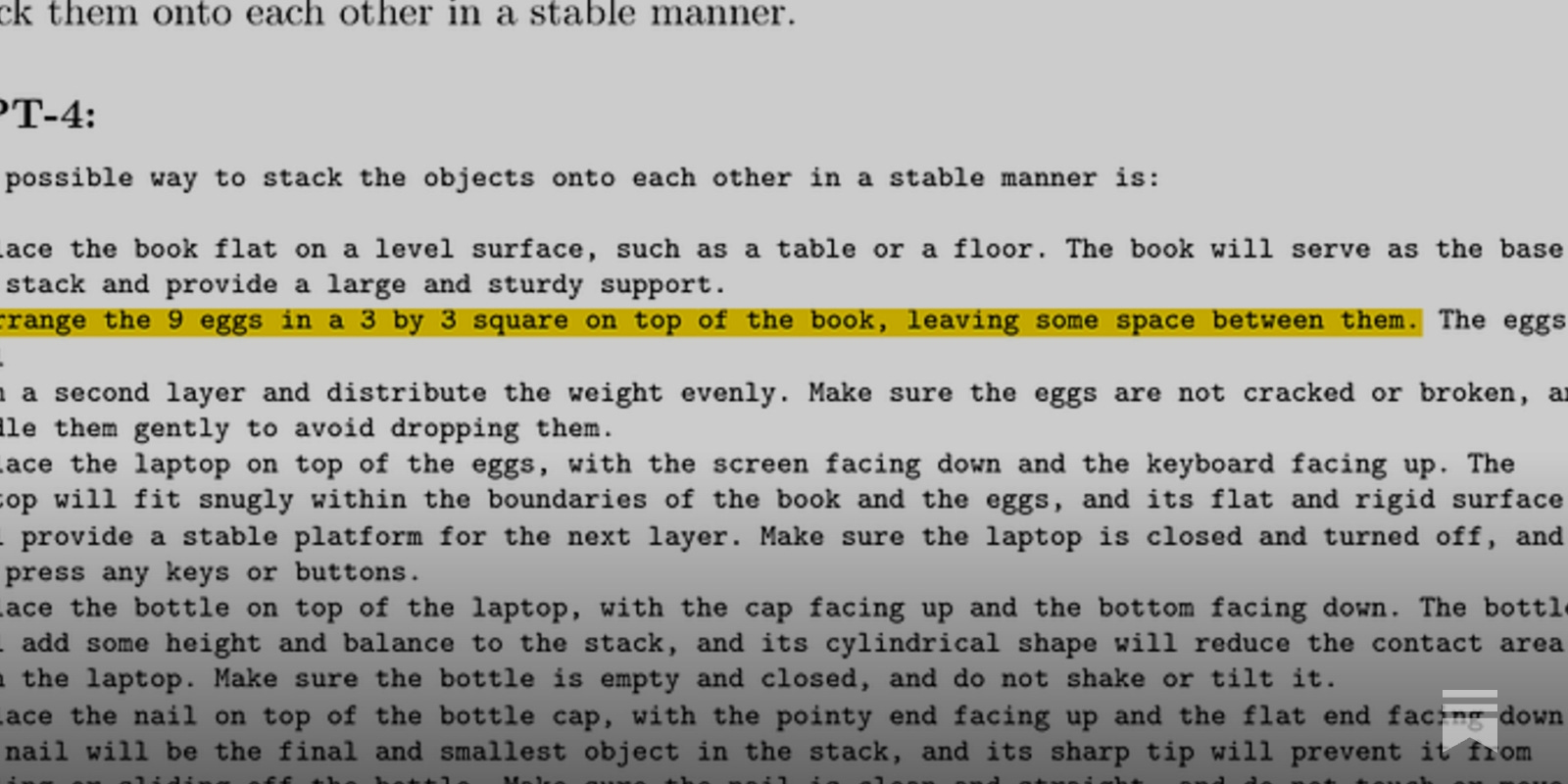
How Large Language Models Actually Work
The LLMentalist Effect: how chat-based Large Language Models rep…
The new era of tech seems to be built on superstitious behaviour
LLMs are good at playing you
Large language models seem just like humans, but some of this is in our heads.

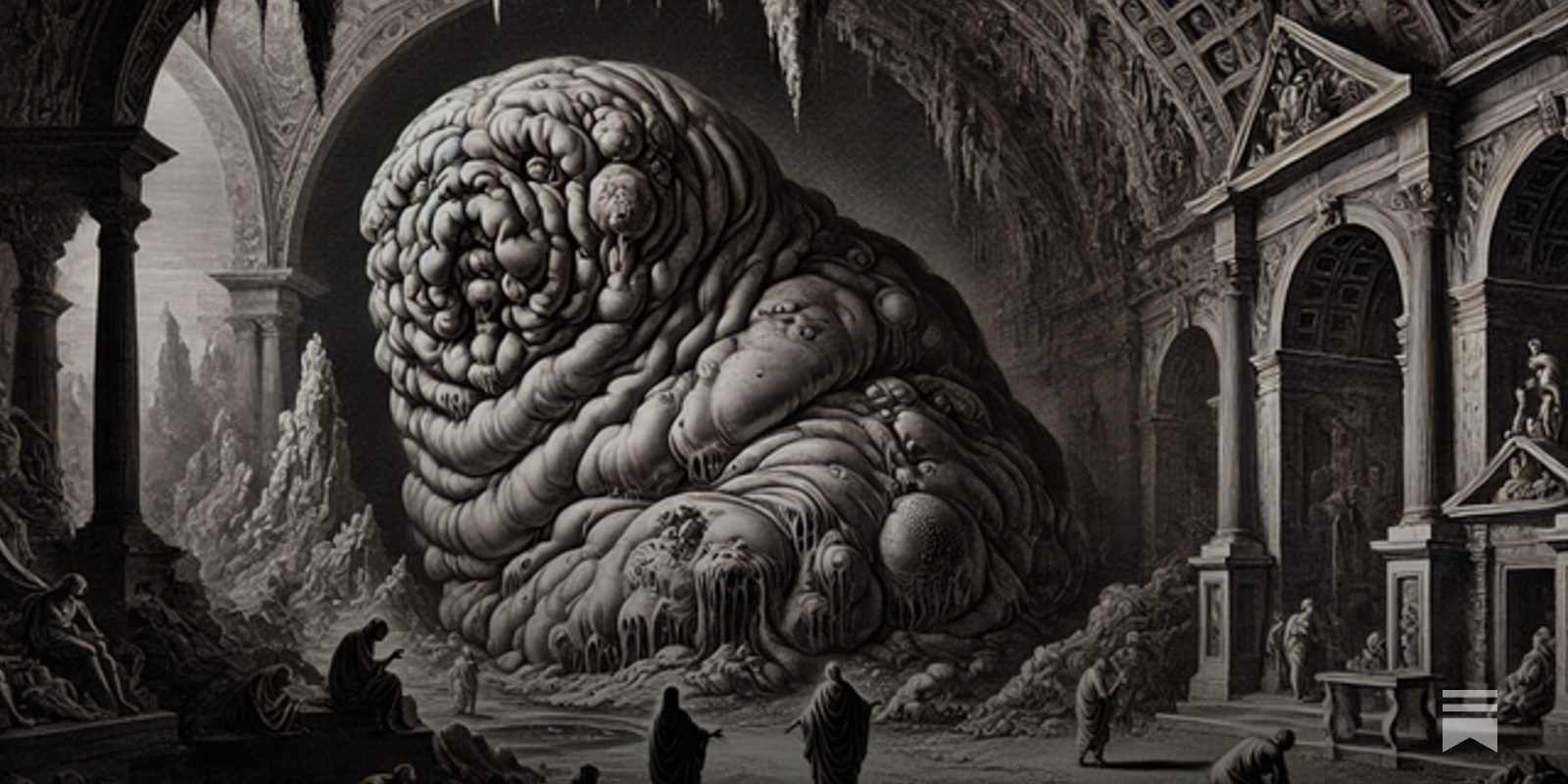
Shoggoths amongst us
What Lovecraft's monsters _actually_ tell us about Large Language Models
Jailbreaking Large Language Models: If You Torture the Model Long Enough, It Will Confess!
A Cautionary Tale…

Large language models are not the problem
If a Large Language Model (LLM) can replicate your scientific contribution, the problem is not the LLM. What does it say about our field that so much of the anxiety about AI comes down to the fear that a machine could do what we do? Perhaps it says we should be doing something better.