

Check the availability of your desired Brand Name through our social media username checker (name checker). Claim your online identity across Social Media!
W Social (@wsocial.eu)
1/5 We’ve upgraded W’s verified badge to give you more context about the person behind the keyboard. Real humans. More trust. Your real name stays optional.

Internet Handle
Every time you sign up for a new social app, you have to rush to claim your username. If someone else got there first, too bad. And that username only works on that one app anyway.
Internet Handle
Every time you sign up for a new social app, you have to rush to claim your username. If someone else got there first, too bad. And that username only works on that one app anyway.
Public by Design: How W Social Makes Their Verified Users’ Personal Details Visible on the Open Web
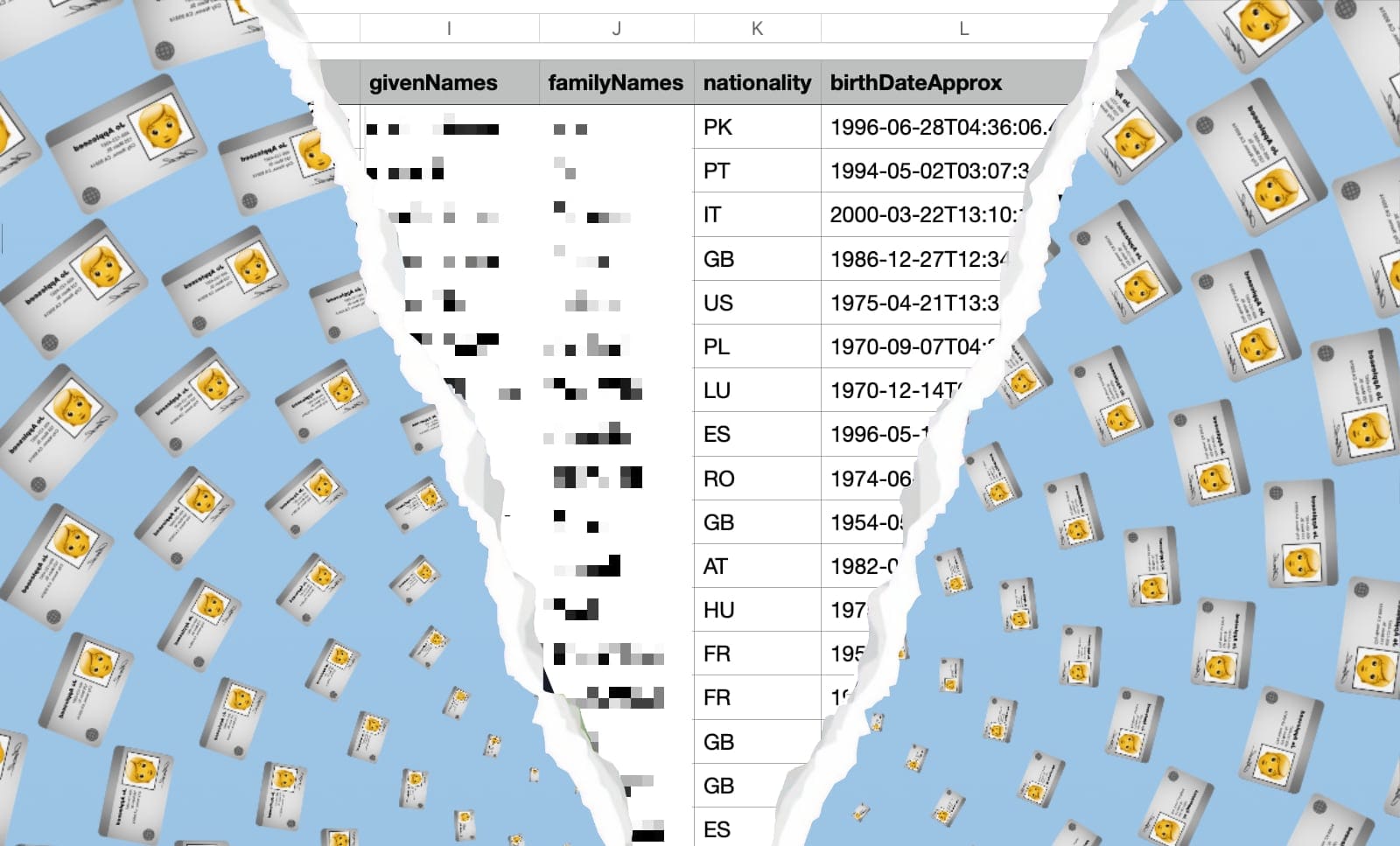
A blog post explaining how the social network W Social is publishing as a record on the open social web the full names, nationalities and approximate birthdays of their verified users - who may be unaware this information is available for all to see, outside of the social network.
Building the world's trusted identity platform • Yoti
Our comprehensive suite of customer verification tools make it easy for businesses to be compliant and safe for people to prove who they are.
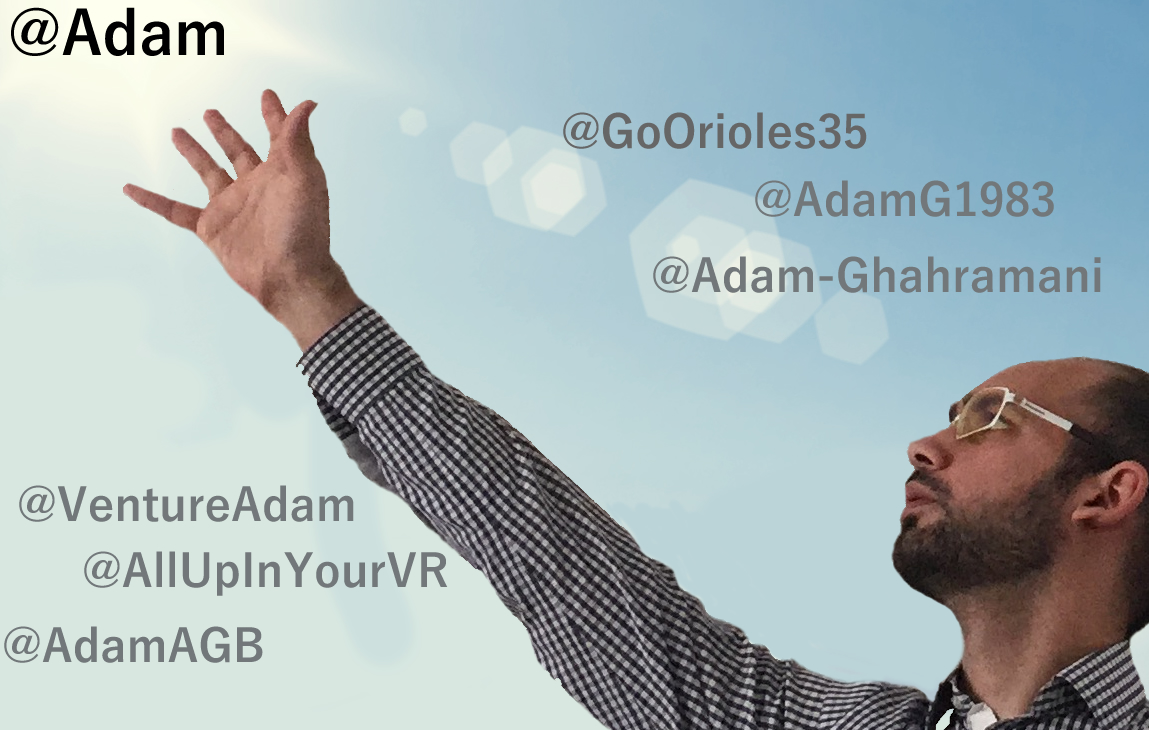
We need a new username system
What do Twitter, YouTube, Pinterest, Instagram and a gazillion other digital platforms have in common? They all treat usernames like a baby treats a diaper instead of the precious and lucrative resource they are.
Anonymity, pseudonymity, and the agency of online identity: Examining the social practices of r/Gonewild
A debate is currently raging regarding the value of anonymity online. On one side of the debate is Facebook, the world’s largest social network site. Facebook demands that people use their real names and is one of the leading forces behind the push towards a “real name” Internet. On the other side of the debate are scholars such as danah boyd and Bernie Hogan and sites such as 4chan and Reddit that view anonymity and pseudonymity as important to how people construct identity online. While much has been written about the benefits of anonymity and pseudonymity, there is a lack of published research examining specific practices enabled by pseudonyms. This paper provides a detailed account of the behaviors enabled through pseudonymous identity construction through a case study of the subreddit r/gonewild. The main contribution of the article is to provide a specific account of the costs of a totalizing embrace of the “real name” Internet.
Anonymity, pseudonymity, and the agency of online identity: Examining the social practices of r/Gonewild
A debate is currently raging regarding the value of anonymity online. On one side of the debate is Facebook, the world’s largest social network site. Facebook demands that people use their real names and is one of the leading forces behind the push towards a “real name” Internet. On the other side of the debate are scholars such as danah boyd and Bernie Hogan and sites such as 4chan and Reddit that view anonymity and pseudonymity as important to how people construct identity online. While much has been written about the benefits of anonymity and pseudonymity, there is a lack of published research examining specific practices enabled by pseudonyms. This paper provides a detailed account of the behaviors enabled through pseudonymous identity construction through a case study of the subreddit r/gonewild. The main contribution of the article is to provide a specific account of the costs of a totalizing embrace of the “real name” Internet.
Personal data from verification process public: W Social downplays
Social network W Social wants to set itself apart from the competition by verifying all accounts. The fact that some collected data is public is not a mistake.

Constructing and enforcing "authentic" identity online: Facebook, real names, and non-normative identities
Despite the participatory and democratic promises of Web 2.0, many marginalized individuals with fluid or non-normative identities continue to struggle to represent themselves online. Facebook users, in particular, are told to use “authentic identities,” an idea reinforced throughout the site’s documentation, “real name” and other policies, and in public statements by company representatives. Facebook’s conception of authenticity and real names, however, has created problems for certain users, as demonstrated by the systematic deactivation of many accounts belonging to transgender and gender variant users, drag queens, Native Americans, abuse survivors, and others. In view of the struggles of marginalized users, Facebook policy appears paradoxical: the site simultaneously demands authenticity yet proscribes certain people from authentic self-presentation. In this work, we examine Facebook’s construction of “authenticity” and show how it excludes multifaceted, fluid, or non-normative identities. Using content analysis and close reading, we analyze site documentation and data from The Zuckerberg Files (an online archive of Facebook founder and CEO Mark Zuckerberg’s public remarks) to understand the platform’s mechanisms for enforcing authenticity. We find that Facebook positions itself as a type of administrative identity registrar, raising vital questions regarding the ethics and consequences of identity enforcement online today.
Constructing and enforcing "authentic" identity online: Facebook, real names, and non-normative identities
Despite the participatory and democratic promises of Web 2.0, many marginalized individuals with fluid or non-normative identities continue to struggle to represent themselves online. Facebook users, in particular, are told to use “authentic identities,” an idea reinforced throughout the site’s documentation, “real name” and other policies, and in public statements by company representatives. Facebook’s conception of authenticity and real names, however, has created problems for certain users, as demonstrated by the systematic deactivation of many accounts belonging to transgender and gender variant users, drag queens, Native Americans, abuse survivors, and others. In view of the struggles of marginalized users, Facebook policy appears paradoxical: the site simultaneously demands authenticity yet proscribes certain people from authentic self-presentation. In this work, we examine Facebook’s construction of “authenticity” and show how it excludes multifaceted, fluid, or non-normative identities. Using content analysis and close reading, we analyze site documentation and data from The Zuckerberg Files (an online archive of Facebook founder and CEO Mark Zuckerberg’s public remarks) to understand the platform’s mechanisms for enforcing authenticity. We find that Facebook positions itself as a type of administrative identity registrar, raising vital questions regarding the ethics and consequences of identity enforcement online today.
Making Social Media Social
As some of you might know, I am part of a team of people moderating a Mastodon server. And as so many of those servers we’ve been having some problems with fake signups lately. This is about how we mitigated the issue and how it was beneficial beyond that. So for those who don’t know […]

Kirsten Fiedler (@kiki.eurosky.social)
🤦♀️ #WSocial is posting legal names, nationalities and approx. birthdays of verified users as a public record on the Atmosphere. Confronted, they claim it's "by design" 🤯

Privacy company called privacy.com uses Persona for identity verification You can't make this shit up

Privacy.com Virtual Cards – Secure, Temporary Cards
privacy.comWhat's verification on the open social web for? With @gui.do and @emily.space we put together a draft statement and roadmap for democratic account verification. For everyone, without IDs. The draft is here, please contribute and comment. Open until 31 May tangled.org/sherif.eurosky.social/atmosph…
✅ @jcsalterego.bsky.social has been verified by @bsky.app.


