To understand how software will change, we can benefit from studying how technology has changed other industries. History tends to rhyme, if you listen. Before the internet, media behaved very differently—it was expensive to create. You had to pay people to make content, edit it, and distribute ...
Part I: The Next Great Online Community
There’s a lack of innovation in community software. Let's dive into internet history, and get inspired!

The Software Revolution
In human history, there have been three great technological revolutions and many smaller ones. The three great ones are the agricultural revolution, the industrial revolution, and the one we are...
How open-source software took over the world | TechCrunch
It was just five years ago that there was an ample dose of skepticism from investors about the viability of open source as a business model. Fast-forward to today and we’ve witnessed the growing excitement in the space.
Historical pragmatism and the internet
This article argues that the literature describing the internet revolution in the 1990s was characterized by the rhetoric of the technological sublime. This rhetoric suffered from three fatal flaws: (1) it was not sufficiently grounded in the historical development of technology; (2) it viewed the internet in isolation, failing to consider the wider technological context; and (3) it failed to examine the internet in view of the social, economic, religious and political circumstances of its users. Several examples from history are cited, demonstrating that changes in various systems for the production, dissemination and preservation of cultural information both border and deborder the world. The article suggests that if internet researchers take a pragmatic, historically grounded approach, they will discover that the introduction of internet technology can be seen to have similar consequences. While the technology overcomes many boundaries (of space and time, politics and economics), other social borders may be created at the same time. It is easier to see old boundaries coming down than to see new ones being erected. Rather than being swept by utopian or dystopian enthusiasms, the article insists that the really interesting discoveries are to be made in locating the subtle social shifts taking place, relatively unnoticed, as a consequence of technological change.

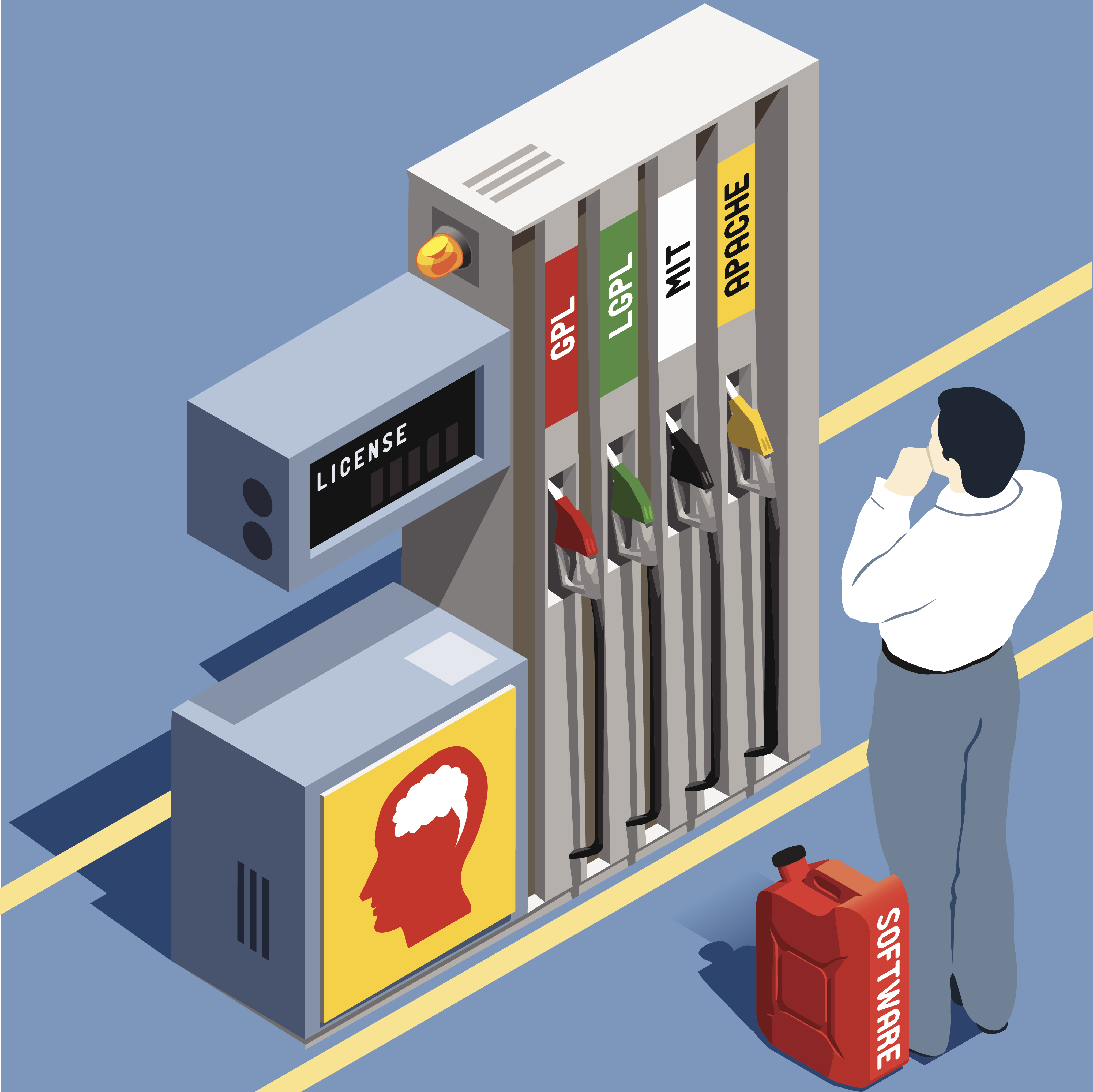
Open Sources: Voices from the Open Source Revolution
The typical computer user owns lots of software that he bought years ago and no longer uses today. He may have upgraded his computer or changed brands, and then the program wouldn't work any longer. The software might have become obsolete. The program may simply not do what he needs. He may have bought two or more computers, and doesn't want to pay for a second copy of the software. Whatever the reason, the software that he paid for years ago isn't up to the task today. Does that really need to happen?
A People’s History of Tech
A collective storytelling project to build a more representative history that reflects the human impacts of technology.

The Fathers of the Internet Revolution Urge Today’s Software Engineers to Reinvent the Web
Tim Berners-Lee, Vint Cerf, and other Internet pioneers issue a challenge on a day that just might go down in tech history

History of free and open-source software
The history of free and open-source software begins at the advent of computer software in the early half of the 20th century. In the 1950s and 1960s, computer operating software and compilers were delivered as a part of hardware purchases without separate fees. At the time, source code—the human-readable form of software—was generally distributed with the software, providing the ability to fix bugs or add new functions. Universities were early adopters of computing technology. Many of the modifications developed by universities were openly shared, in keeping with the academic principles of sharing knowledge, and organizations sprung up to facilitate sharing.

The Evolution of Software
Last week Chris Paik published a Google Doc titled, The End of Software, where he articulates the lowering cost of software development and potential implications. He ends the piece with a provocative statement: "Majoring in computer science today will be like majoring in journalism in the late...

My journey to the heart of the forgotten internet
Slowly but surely, huge swaths of the internet are vanishing. But the artefacts of the early web are still out there, and they have lessons for the future.

The Git-ification of the World — Tim Morrissey
Why AI conquered software first, and what that tells us about which industries are next.

About Us
Around the world, building the internet’s operating system—and a better way to work. In a world of tech companies fighting for growth at any cost, imagine one that gives away its most successful pr…

AI Slop and the End of Knowledge
As an early fan of the internet, I was amazed that all the knowledge of the world was becoming available to everyone, everywhere, all the time. But things have changed.

The Social Meaning of the Personal Computer: Or, Why the Personal Computer Revolution Was No Revolution
This essay presents a processual model of the personal computing movement that depicts the PC's birth within the context of complex and often contradictory social strategies, each of which used the meaning of computer technology in a distinctive way. It suggests that innovators are constrained by such processes to depict new artifacts in culturally meaningful ways, so that it is difficult for them to conceive of their technologies in radical terms. The rhetoric of "revolution" aside, innovators found it expedient to draw from the stock of meanings at hand as they created new meaning-frameworks for their artifacts. The result is that the new artifacts did not express a coherent or effective political vision and failed to have the intended social effects. This study implies that new technologies frequently reproduce existing social and meaning systems; if they do bring about social change, the changes may differ from those intended by the innovators.
The Social Meaning of the Personal Computer: Or, Why the Personal Computer Revolution Was No Revolution
This essay presents a processual model of the personal computing movement that depicts the PC's birth within the context of complex and often contradictory social strategies, each of which used the meaning of computer technology in a distinctive way. It suggests that innovators are constrained by such processes to depict new artifacts in culturally meaningful ways, so that it is difficult for them to conceive of their technologies in radical terms. The rhetoric of "revolution" aside, innovators found it expedient to draw from the stock of meanings at hand as they created new meaning-frameworks for their artifacts. The result is that the new artifacts did not express a coherent or effective political vision and failed to have the intended social effects. This study implies that new technologies frequently reproduce existing social and meaning systems; if they do bring about social change, the changes may differ from those intended by the innovators.
Digital Art Enters the Museum Age — Social Software
We explore code and systems as a medium for creating new forms of art. We consider "software" in an expanded sense, examining the ways that we are programmed by technology around us and the ways we can write software to make change in the world.