


THE INVISIBLE OS – Every massive consumer technology business is selling the same thing: the removal of thought. In the end, convenience always wins. Dishwashers automated hours of domestic chores. GPS externalized our spatial memory. Calculators offloaded routine arithmetic. The pattern acceler...
The Invisible OS
THE INVISIBLE OS – Every massive consumer technology business is selling the same thing: the removal of thought. In the end, convenience always wins. Dishwashers automated hours of domestic chores. GPS externalized our spatial memory. Calculators offloaded routine arithmetic. The pattern acceler...

What Even Is An OS Now?
Computers now work the way I thought they did when I was 8. What does computing look like when most applications have an audience of 1-2 people? I'm leaving Fly.io to build a phone for that world.
Ideal OS: Rebooting the Desktop Operating System Experience — josh.earth
Twitter user ekse has graciously translated this blog to Chinese. Thanks! TL;DR: By the end of this essay I hope to convince you of the following facts. First, that modern desktop operating systems are anything but. They are bloated, slow, and layered with legacy cruft that still functions only thanks to Moore's Law. Second, that innovation in desktop operating systems stopped about 15 years ago and the major players are unlikely to heavily invest in them again. And finally, I hope to convince you that we can and should start over from scratch, learning the lessons of the past.
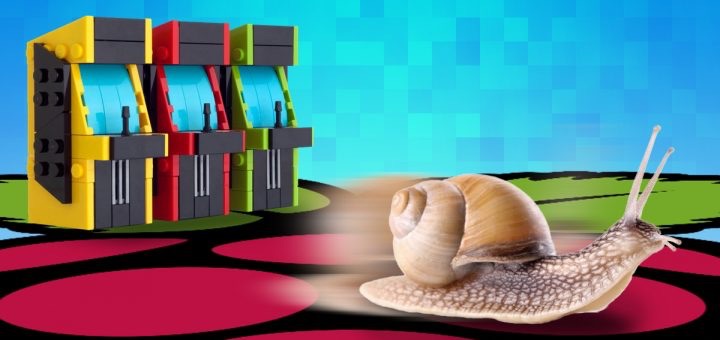
The Interfaces With Which We Think
The concepts in modern operating systems — apps, windows, desktops, notifications, and so on — have so permeated our understanding of personal computing, it’s hard to imagine anything else, let alone believe there could be anything better.
Hello, Operator!
Part of the WonderOS project, this is presented as the operating manual that would come with the reader’s first machine running WonderOS. It is an exercise in exploring how people familiar with mainstream personal computing devices and systems would become computer literate in an itemized environment. It is written as though the reader is familiar with today’s mainstream operating systems, and is exploring their first itemized OS.

Why build Dusk OS?
Most modern operating systems can do whatever we want them to do. Why do we need another one? Simplicity.
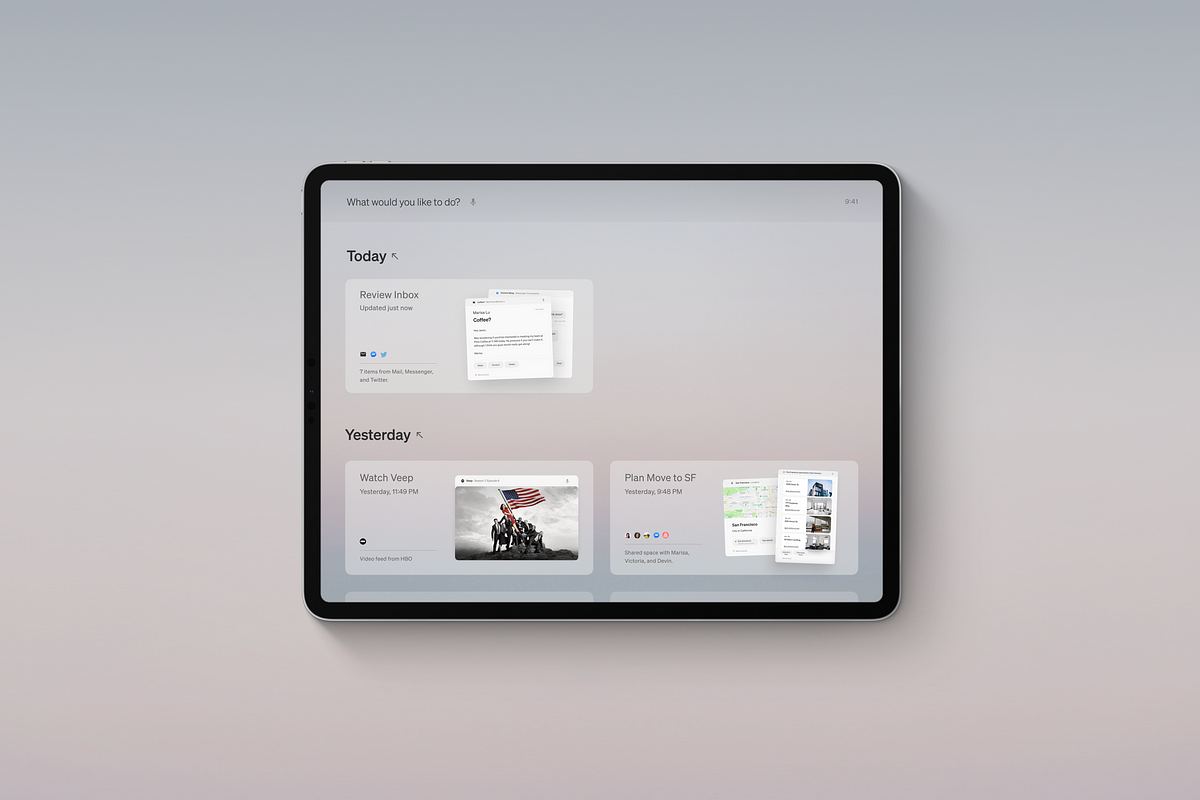
Introducing Mercury OS
A speculative vision of the operating system, driven by humane design principles.
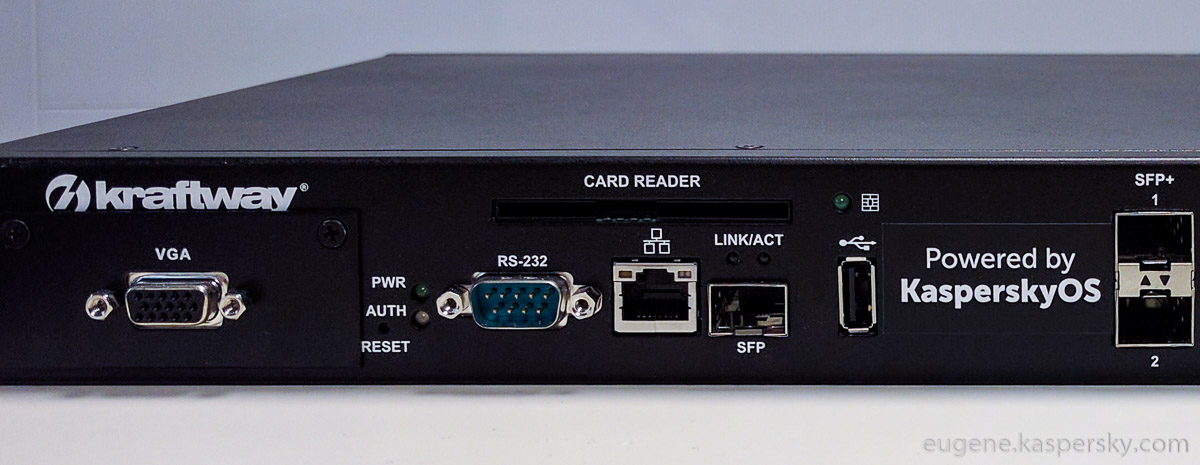
Finally, Our Own OS – Oh Yes!
At last – we’ve done it! I’ve anticipated this day for ages – the day when the first commercially available mass market hardware device based our own secure operating system landed on my desk.
Retrocomputing as a Model for Sustainable and Cognitive Computing: Lessons from Low-Resource Systems
This paper argues that retrocomputing constitutes a conceptually productive model for rethinking sustainability in contemporary computing. Early computing systems operated under strict hardware constraints, necessitating efficiency, clarity, and minimalism in both software and interaction design. In contrast, contemporary systems are frequently characterised by computational excess, software bloat, and attention-fragmenting interfaces. Drawing on examples from early home computing and command-line environments, this paper analyses how low-resource systems make visible forms of computational minimalism with relevance to present-day design challenges. A central theoretical contribution is the distinction between interface-level and system-structure-level design analysis, which demonstrates that cognitive effects arise not only from visual and interactional surface features but from deeper computational organisation. The discussion integrates perspectives from human-computer interaction and cognitive science, particularly in relation to attention, cognitive load, and user experience. The paper adopts a conceptual and exploratory approach grounded in systematic literature review, aiming to identify design-relevant patterns rather than to provide empirical validation. It introduces the concepts of computational minimalism and cognitive sustainability as complementary analytical frameworks, and derives five principles for sustainable system design. Crucially, the paper also address

Substrates via Accessibility
The social model of disability holds that disability is produced by environments, not by bodies — that when software fails to accommodate a person’s needs, the environment is disabling them. We argue that the dominant organization of computing produces such interaction mismatches structurally: the commodity form of software requires a standardized consumer, and everyone whose needs diverge from this imagined subject is disabled by the software environment. The substrates research community has identified properties — disclosure, composability, malleability — that would address this, but the commodity form actively selects against these properties because they dissolve the boundaries on which exchange value depends. This raises a question: how can infrastructure organized against the grain of commodity logic be made durable? We find a precedent in accessibility infrastructure — sustained not by patronage but by the organized counter-power of disability rights movements. Through Allio, a system for cross-application augmentation built on accessibility APIs, we illustrate both what this foundation makes possible and where its limits lie. We argue that the accessibility case reframes the substrates programme’s central challenge as political-economic: the question of who sustains substrate infrastructure, and through what social mechanisms, is as important as the question of what properties it should have.
Substrates via Accessibility
The social model of disability holds that disability is produced by environments, not by bodies — that when software fails to accommodate a person’s needs, the environment is disabling them. We argue that the dominant organization of computing produces such interaction mismatches structurally: the commodity form of software requires a standardized consumer, and everyone whose needs diverge from this imagined subject is disabled by the software environment. The substrates research community has identified properties — disclosure, composability, malleability — that would address this, but the commodity form actively selects against these properties because they dissolve the boundaries on which exchange value depends. This raises a question: how can infrastructure organized against the grain of commodity logic be made durable? We find a precedent in accessibility infrastructure — sustained not by patronage but by the organized counter-power of disability rights movements. Through Allio, a system for cross-application augmentation built on accessibility APIs, we illustrate both what this foundation makes possible and where its limits lie. We argue that the accessibility case reframes the substrates programme’s central challenge as political-economic: the question of who sustains substrate infrastructure, and through what social mechanisms, is as important as the question of what properties it should have.
Malleable software: Restoring user agency in a world of locked-down apps
The original promise of personal computing was a new kind of clay. Instead, we got appliances: built far away, sealed, unchangeable. In this essay, we envision malleable software: tools that users can reshape with minimal friction to suit their unique needs.

Dusk OS
Dusk OS is a 32-bit Forth and big brother to Collapse OS. Its primary purpose is to be maximally useful during the first stage of civilizational collapse, that is, when we can't produce modern computers anymore but that there's still many modern computers around.