


A Transformative Justice Reading Primer Assembled for a Chicago Gathering of Transformative Justice Activists August 27th, 2011 Hosted by Institute for Research on Race and Public Policy University of Illinois at Chicago Table of Contents Section I Overview of Transformative Justice Communitie...
Transformative Justice
The Paper Pilot's digital garden of thoughts on philosophy, politics, and sociology. Reading time: ~3 minute read | Published: Apr 13, 2025 | Updated: Nov 13, 2026

Restorative Justice
The Paper Pilot's digital garden of thoughts on philosophy, politics, and sociology. Reading time: ~1 minute read | Published: Apr 13, 2025 | Updated: Oct 4, 2026
A Letter on Justice and Open Debate
July 7, 2020 The below letter will be appearing in the Letters section of the magazine’s October issue. We welcome responses at letters@harpers.org Our cultural institutions are facing a moment of trial. Powerful protests for racial and social justice are leading to overdue demands for police reform, along with wider calls for greater equality and […]
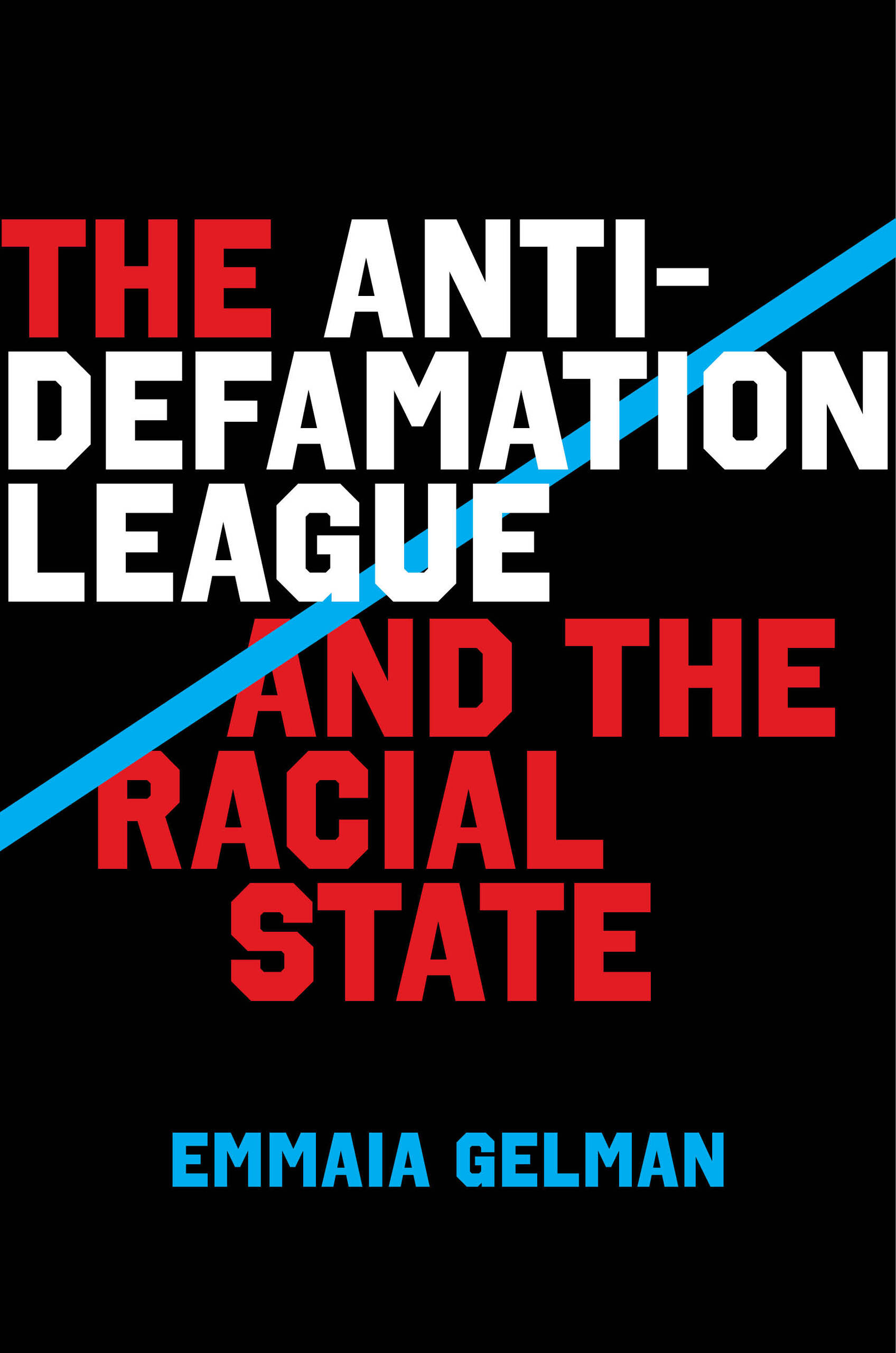
The Anti-Defamation League and the Racial State by Emmaia Gelman - Hardcover
Scholarship is a powerful tool for changing how people think, plan, and govern. By giving voice to bright minds and bold ideas, we seek to foster understanding and drive progressive change.
Restorative Justice in the Bible | The Paper Pilot
The Paper Pilot's digital garden of thoughts on philosophy, politics, and sociology
Every Space is Political - Dscout
Transformative justice is more crucial than ever. Sarah Fathallah believes researchers are primed to assist in this critical moment if we can "move at the speed of trust."

We Do This 'Til We Free Us
New York Times Bestseller “Organizing is both science and art. It is thinking through a vision, a strategy, and then figuring out who your targets are, always being concerned about power, always being concerned about how you’re going to actually build power in order to be able to push your issues, in order to be able to get the target to actually move in the way that you want to.” What if social transformation and liberation isn’t about waiting for someone else to come along and save us? What if ordinary people have the power to collectively free ourselves? In this timely collection of essays and interviews, Mariame Kaba reflects on the deep work of abolition and transformative political struggle. With a foreword by Naomi Murakawa and chapters on seeking justice beyond the punishment system, transforming how we deal with harm and accountability, and finding hope in collective struggle for abolition, Kaba’s work is deeply rooted in the relentless belief that we can fundamentally change the world. As Kaba writes, “Nothing that we do that is worthwhile is done alone.”

White Allies, Let’s Be Honest About Decolonization - YES! Magazine Solutions Journalism
Explore a diverse range of articles in the YES! Media archive. From justice to sustainability, discover insightful perspectives on shaping a better world. #YESMedia

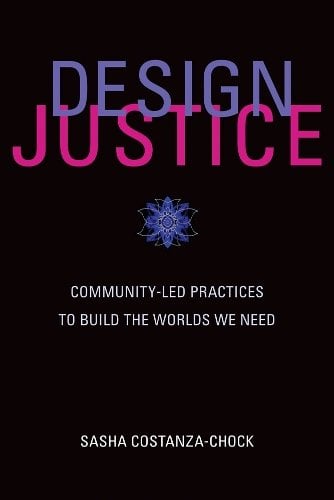
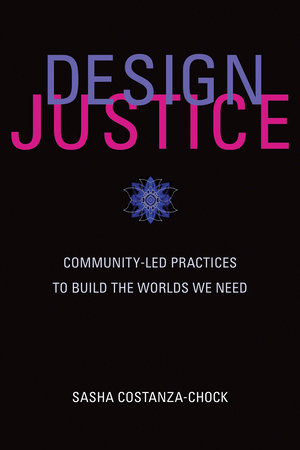
Design Justice: Community-Led Practices to Build the Worlds We Need
Community-Led Practices to Build the Worlds We Need
The Road to Resegregation by Alex Schafran - Paper
Scholarship is a powerful tool for changing how people think, plan, and govern. By giving voice to bright minds and bold ideas, we seek to foster understanding and drive progressive change.

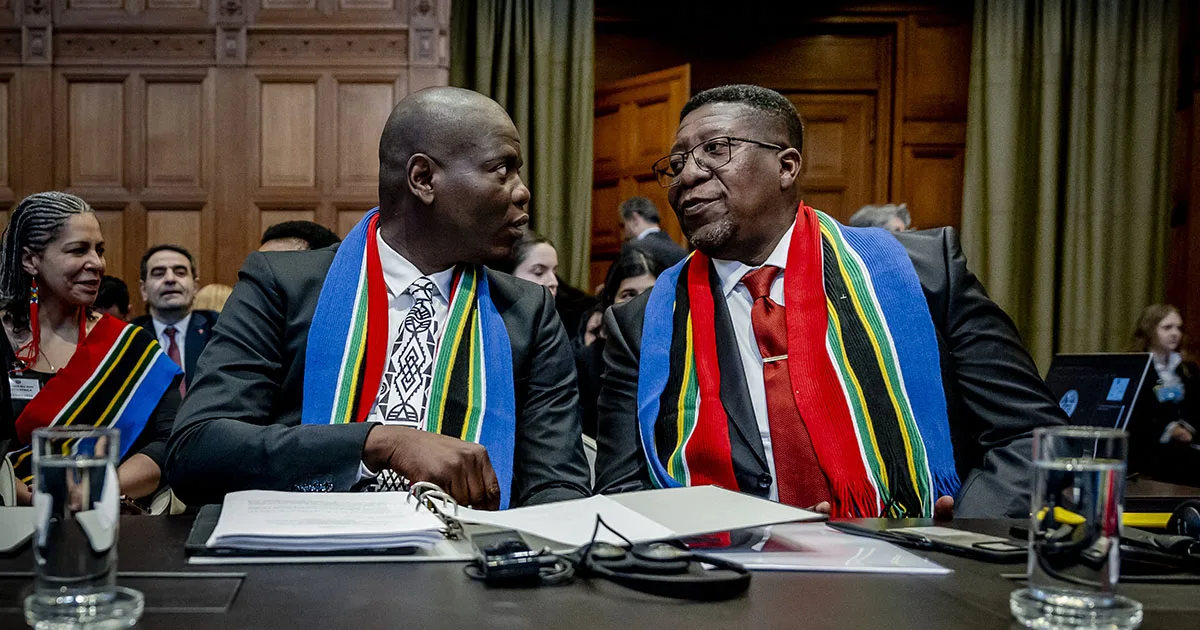
The Charge of Genocide - Dissent Magazine
South Africa’s willingness to file a case with the International Court of Justice is a sign that the old tactics used to police discourse about genocide have lost much of their power.
Detroit Digital Justice Coalition - Allied Media Projects
The Detroit Digital Justice Coalition (DDJC) is comprised of people and organizations in Detroit who believe that communication is a fundamental human right. We are…Read more
Design Justice: Community-Led Practices to Build the Worlds We Need
An exploration of how design might be led by marginalized communities, dismantle structural inequality, and advance collective liberation and ecological survival. What is the relationship between design, power, and social justice? “Design justice” is an approach to design that is led by marginalized communities and that aims expilcitly to challenge, rather than reproduce, structural inequalities. It has emerged from a growing community of designers in various fields who work closely with social movements and community-based organizations around the world. This book explores the theory and practice of design justice, demonstrates how universalist design principles and practices erase certain groups of people—specifically, those who are intersectionally disadvantaged or multiply burdened under the matrix of domination (white supremacist heteropatriarchy, ableism, capitalism, and settler colonialism)—and invites readers to “build a better world, a world where many worlds fit; linked worlds of collective liberation and ecological sustainability.” Along the way, the book documents a multitude of real-world community-led design practices, each grounded in a particular social movement. Design Justice goes beyond recent calls for design for good, user-centered design, and employment diversity in the technology and design professions; it connects design to larger struggles for collective liberation and ecological survival. The open access edition of this book was made possible by generous funding from Knowledge Unlatched and the MIT Press Frank Urbanowski Memorial Fund.
MediaJustice is Shifting the Terrain
Our methodology
We expose injustice and spark change. Help change the world by becoming a Bureau Insider
