


This form is for signing yourself or your organisation on to the joint civil society letter against Bill C-22. Read the letter in French or in English. This letter was submitted to government on April 21, but remains open to endorsement and will be submitted to the Public Safety parliamentary Committee (tasked with reviewing Bill C-22) with a broader list of endorsements in May. The letter is closed for edits. If you have any questions or concerns, contact matt@openmedia.org.
Letter — NEW CIVIC FUTURE
Whether you’re rooted locally or approaching this work nationally, we invite you to join us by reading & signing onto this letter.
Government Bill (House of Commons) C-34 (45-1) - First Reading - Safe Social Media Act - Parliament of Canada
Government Bill (House of Commons) C-34 (45-1) - First Reading - Safe Social Media Act - Parliament of Canada

Government Bill (House of Commons) C-22 (45-1) - First Reading - Lawful Access Act, 2026 - Parliament of Canada
Government Bill (House of Commons) C-22 (45-1) - First Reading - Lawful Access Act, 2026 - Parliament of Canada
Kiss your online privacy goodbye with Bill C-22, Canada
Civil liberties groups, legal experts and the Canadian Chamber of Commerce have been sounding the alarm for months on the privacy and cybersecurity issues contained in the Carney government’s Lawful Access Act, or Bill C-22. In a not-so-surprising twist, American lawmakers have now also added their voice to those warning about the bill.

Stop Bill C-22. Stop surveillance in Canada.
Make your voice heard! Explore the Justice Centre's petitions advocating for Canadian rights and freedoms. Join fellow citizens in supporting important causes.
Home - Canadian Constitution Foundation
Bill C-22 seeks to expand government surveillance and turn your cell phone into a tracking device.

An Open Letter to the UK Government: Reconsider the Online Safety Act
To the Prime Minister, Members of Parliament, and the Secretary of State for Science, Innovation and Technology,
Pornhub sends letter to lawmakers over 'dangerous' age verification
The tube site says constituents deserve better.

Bill C-22’s Groundhog Day: Why the Government’s Dismissal of Signal, Apple and the U.S. Congress Concerns Runs Back the Disastrous Online News Act Playbook - Michael Geist
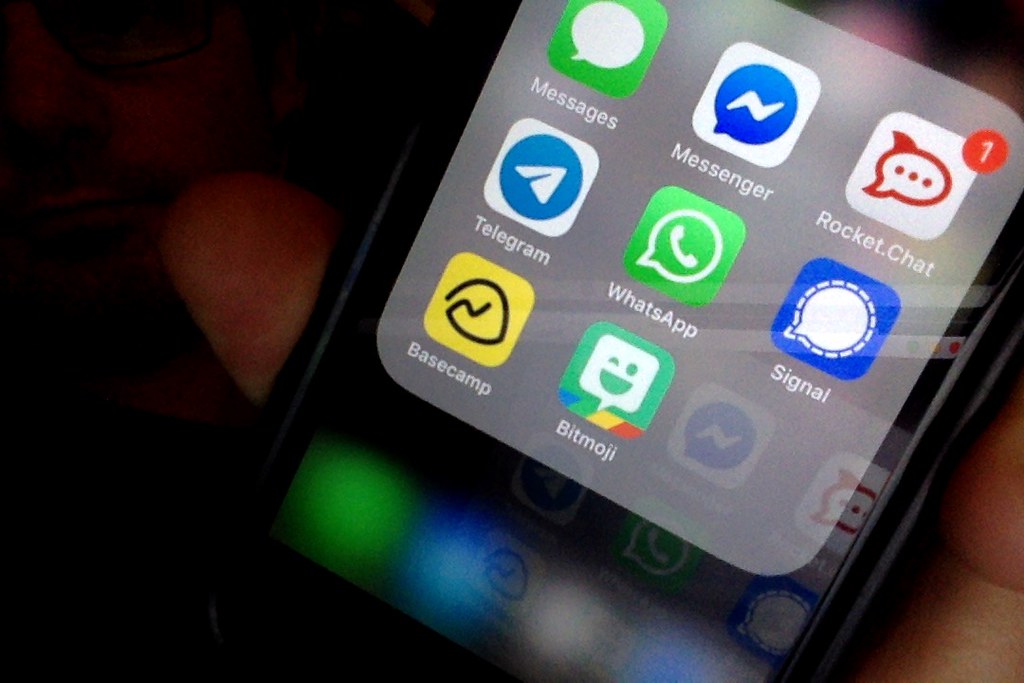
Secure messaging service Signal yesterday became the latest company to warn that Bill C-22, the lawful access bill, could force it to leave the Canadian market rather than comply with provisions it says would compromise its end-to-end encryption and create new cybersecurity risks. Signal vice-president Udbhav Tiwari told the Globe and Mail that the company “would rather pull out of the country than be compelled to compromise on the privacy promises we have made to our users.” The comments are part of a steady stream of similar warnings from Apple, Meta, the Canadian Chamber of Commerce, the Cybersecurity Advisors Network, and the chairs of the U.S. House Judiciary and Foreign Affairs Committees. Despite growing concern, the government’s response has been to launch a misleading social media campaign and repeatedly insist that the experts and companies are mistaken.
How NSPM-7 Seeks to Use "Domestic Terrorism" to Target Nonprofits and Activists | ACLU
What President Donald Trump’s latest memorandum targeting civil society does, does not, and cannot do.

Encyclical Letter of His Holiness Leo XIV Magnifica Humanitas (15 May 2026)
ENCYCLICAL LETTER MAGNIFICA HUMANITAS OF HIS HOLINESS POPE LEO XIV ON SAFEGUARDING THE HUMAN PERSON IN THE TIME OF ARTIFICIAL INTELLIGENCE [ Multimedia ] ___________________________
Unsent letter to my parents
> I found this unsent in my email archives. It's a response to my parents sending me a [2018 Stephen B. Levine paper](https://www.tandfonline.com/doi/full/10...
The Lawful Access Two-Headed Surveillance Monster: How Bill C-22 Went Off the Rails - Michael Geist
The government’s plans for lawful access have gone off the rails. In recent days, Signal has warned it would pull out of the Canadian market rather than comply with Bill C-22. Windscribe, the Toronto-headquartered VPN provider, has said it would relocate its headquarters out of Canada and NordVPN has warned it would consider following suit. Apple and Meta have both raised public concerns about the bill’s effect on encryption and cybersecurity. The Canadian Chamber of Commerce, the Cybersecurity Advisors Network, civil liberties groups, and a long line of legal and security experts have all called for changes. The chairs of the U.S. House Judiciary and Foreign Affairs Committees have written to Public Safety Minister Gary Anandasangaree warning that the bill threatens U.S. national security and the integrity of cross-border data flows. Even the bill’s own oversight body, the National Security and Intelligence Review Agency, has told the SECU committee it does not have the access it needs for effective oversight. If the government thought it could push through the bill largely unnoticed, it has been proven painfully wrong as there are now trade frictions with the U.S., the prospect of leading companies exiting the Canadian market, and weaker cybersecurity protections for ordinary users. How did Canada’s lawful access plan go awry so quickly?
We will discuss this paper in the civic participation journal club. Cannot wait to read it at lunchtime tomorrow🍎

Brihi Joshi
Reasoning about the "why" behind user behavior can improve LLM personas! ✨🧠📈 📝Excited to share our new work: Improving LLM Personas via Rationalization with Psychological Scaffolds 🔗 arxiv.org/abs/2504.17993 🧵 (1/n)
Attending my first #IC2S2 at Burlington, VT! I’ll be presenting my poster on July 30 (Thursday), 1:15-2:15 pm at Davis Center @uvmvermont.bsky.social If you are attending @ic2s2.bsky.social & interested in bias auditing, please stop by. Thanks @vcsi.bsky.social for sponsoring registration #ic2s22026

