


Updated List of Criminal DHS Agents_08172026

Walkinshaw Introduces Bill to Require DHS to Report Serious Injuries & Deaths Caused by Federal Agents
The Official Website of the House Committee on Homeland Security

Department of Homeland Security AI Use Case Inventory
All data presented in this tracker is drawn directly from the DHS AI Use Case Inventory published by the Department of Homeland Security. The information is reproduced as provided in the source file and has not been independently verified, including statements on safety and impact. This presentation may contain errors or omissions. Users should consult the original DHS source file for authoritative data. The comparison view identifies differences between the 2024 Inventory July Revision and 2025 Inventory releases; some field differences reflect changes in the reporting format rather than substantive changes to the use cases.
Exclusive: FBI’s New Political Pre-Crime Center
Are your views on the list of 'domestic terrorism' indicators?

Records Reveal How Homeland Security Agents Surveilled ICE Protesters
Spokane police documents show a DHS task force officer tracing protesters’ cars, identities, and whereabouts without alleging any wrongdoing.

NYPD Arrest More Than a Dozen Protesting Homeland Security Agents in Tense Confrontation
Dozens of masked federal agents were gathered inside a parking lot when a group of protesters got word of their presence. The NYPD helped clear a path for the agents to leave the area.

Man sues DHS after agents tracked him down for sending a scathing email to ICE
Federal agents tried to track David Streever to his home and hotel, and left him a warning notice that a critical email he sent the former head of ICE may have been illegal. Now he's suing.
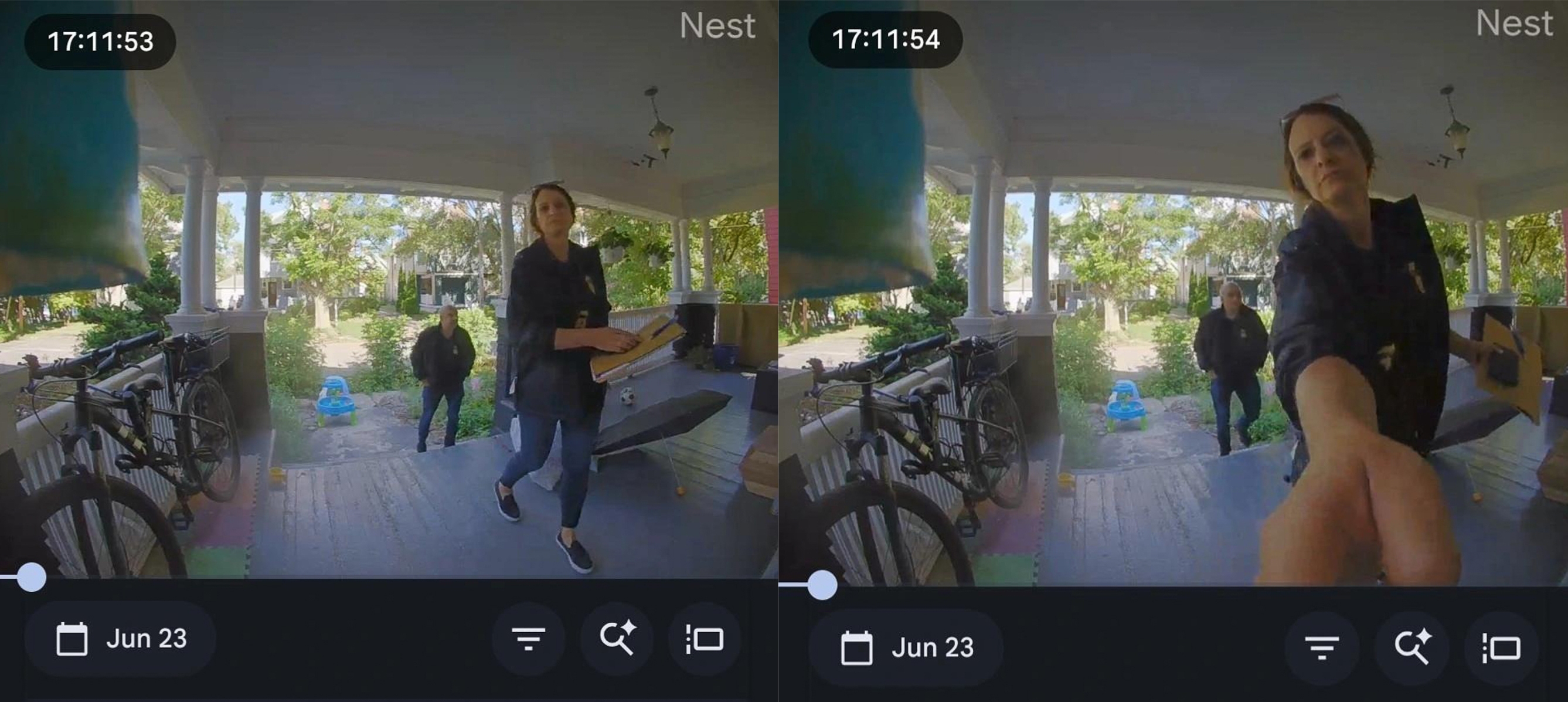
Just 2% of Immigration Court Filings Based on Alleged Criminal Activity in February 2026
Numbers are also lower now than they were a year earlier when President Trump returned to office. One year ago in February 2025, DHS filed NTAs on 821 individuals based on claims of criminal activity compared with 741 today. This represented 4 percent of the cases filed a year ago, rather than just 2 percent now.
Security Update: Suspected Supply Chain Incident | liteLLM
As of 2:00 PM ET on March 24, 2026

Attorney: Homeland Security spied on Minnesotans who spoke out against ICE
Defense attorney Kevin Riach alleges that just four days after Alex Pretti was shot and killed by federal agents, that Homeland Security Investigations launched Operation Puppet Master. The agency couched this program in language about rooting out people they describe as “violent opportunists.”
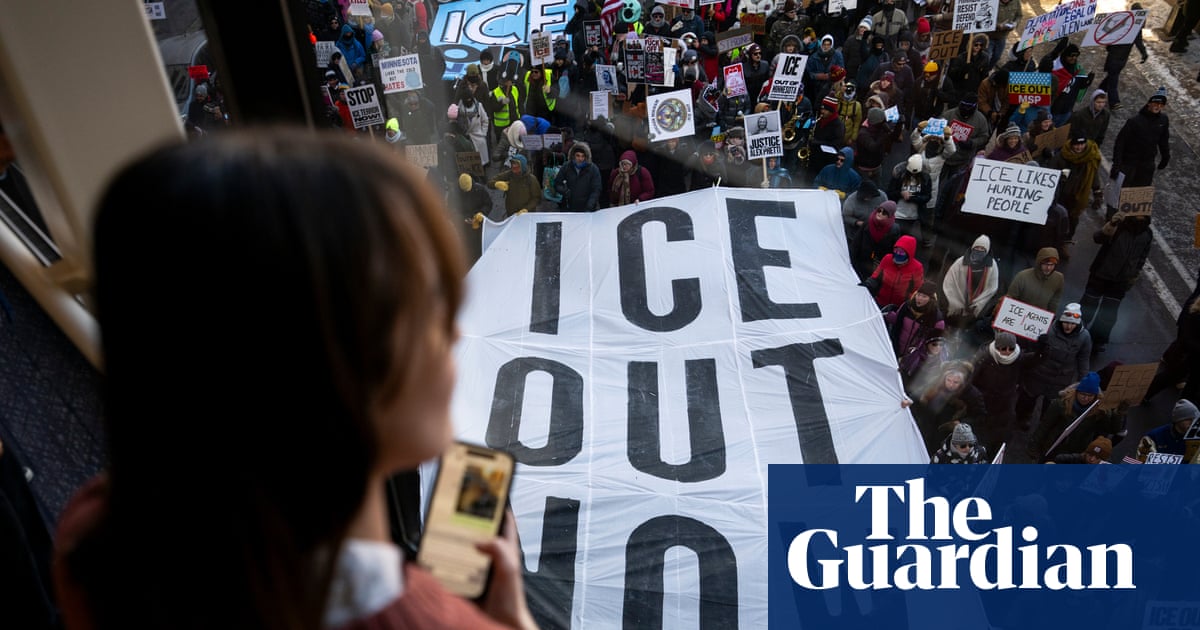
Revealed: How undercover agents spied on anti-ICE protesters in Minnesota
DHS officers posed as concerned citizens, joining Signal groups and taking photos of community meetings
DHS Demanded Google Surrender Data on Canadian’s Activity, Location Over Anti-ICE Posts
Using a 1930s trade law, Homeland Security targeted the man—who hasn’t entered the US in more than a decade—following posts on X condemning the killings of Renee Good and Alex Pretti.

ICE agents are making house calls for online critics
DHS keeps accusing people of ‘doxing’ its agents/

They Walk Among Us - Criminal ICE and Border Agents — Ohio Immigrant Alliance
The Ohio Immigrant Alliance released “They Walk Among Us: A List of 59 Sexually and Physically Abusive ICE and Border Agents,” an analysis of sexual and violent crimes committed by ICE and Border Patrol agents. It report documents 59 cases of violent and/or sexual criminal acts by DHS employees.

Section 702 of the Foreign Intelligence Surveillance Act (FISA): 2026 Resource Page
The following Brennan Center and coalition resources provide detailed information on Section 702, how it has been used to gain warrantless access to Americans’ communications, proposals for reforming the law, and the 2026 reauthorization process.

NEW: DHS's Inspector General releases a scathing report about the Everglades detention camp known as "Alligator Alcatraz." The OIG finds that the now-closed camp, violated multiple ICE standards. The OIG also confirms detainees were punished with placement in a metal cage in the Florida heat.🧵
