

What is Layers?
Presentation layer
In the seven-layer OSI model of computer networking, the presentation layer is layer 6 and serves as the data translator for the network.[2][3][4] It is sometimes called the syntax layer.[5]
Layered protocols
Layering is a special form of modularity that restricts interactions between modules. A module assigned to a layer can use any of the modules in the same or in a lower layer; however, it cannot use a module belonging to a higher layer.
Organize Layers
Organizes all layers on the current page based on layer name; useful for organizing a page of components. Optionally customize how layers are grouped, and set the space between layers. Fund my work on Figma plugins →
The Web Needs a Context Layer Built on a Shared Protocol
Context is a new, developing layer of the internet, write Mallory Knodel, Evan Friedman and Brad Friedman.

4-Layers, A Narrative Design Approach
Introduction This blog post will be about a new way to approach narrative design in games - the 4 Layers Approach. It is based on a GDC ...

Wardley Maps & Pace Layering for Senior Tech Leads and Engineering Leaders
Intro to both tools, why they exist, how they overlap and pragmatic tips how to use them and when
Pace Layers 02025 Annual Journal
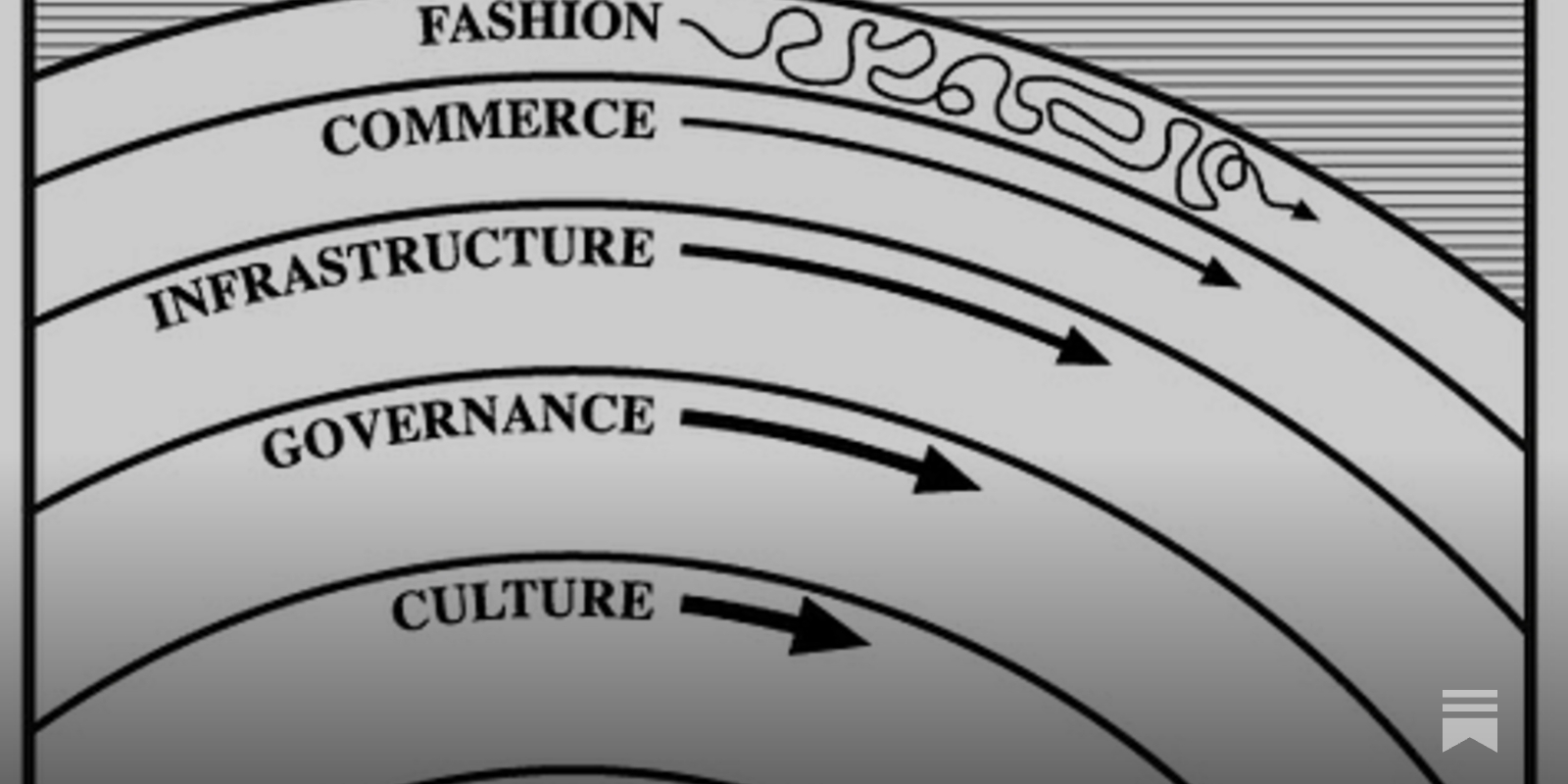
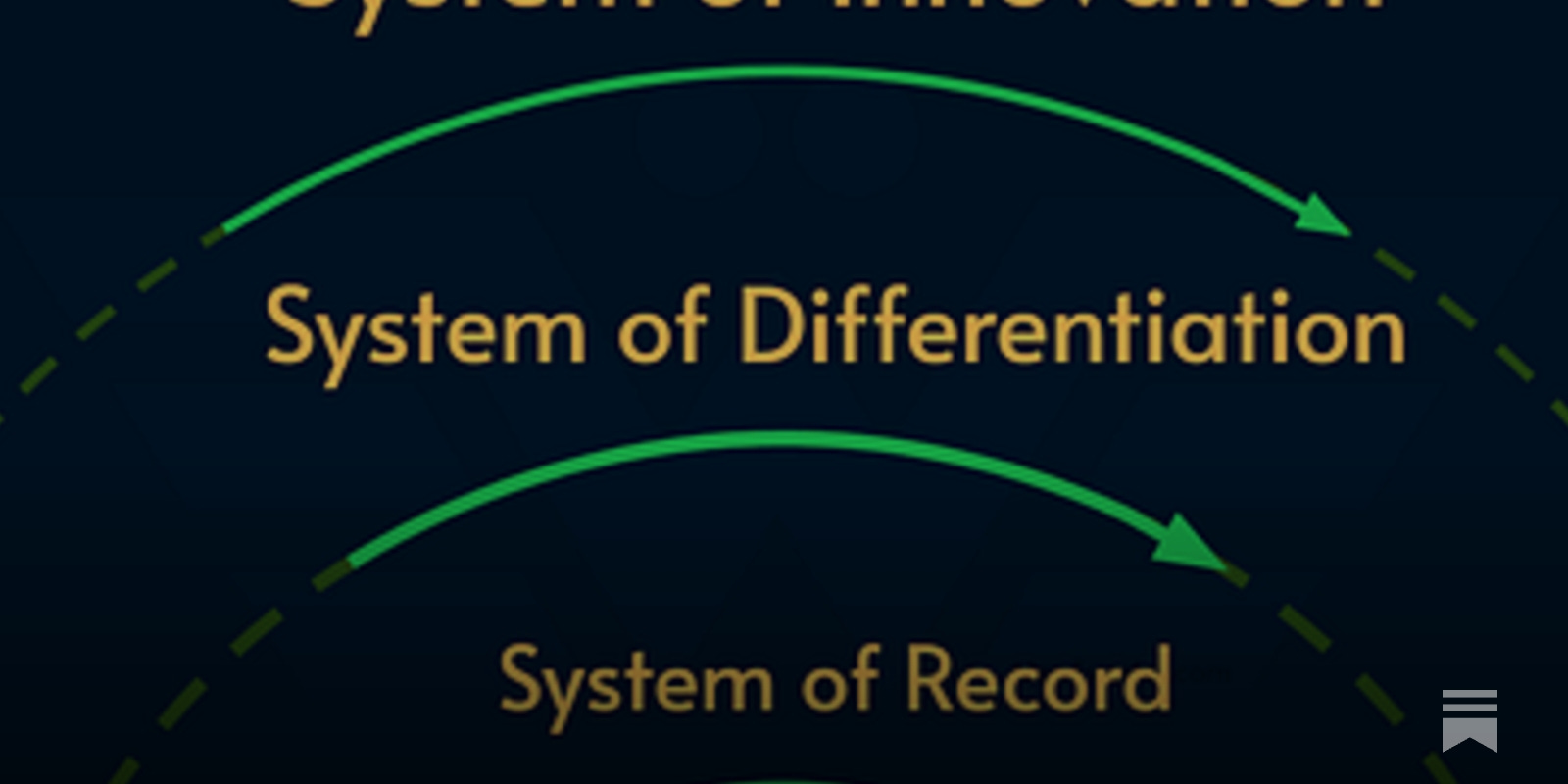
Long Now’s annual print journal explores the ancient past and distant future of the present moment through essays, interviews, fiction, poetry, and visual art. The journal takes its name and shape from Long Now cofounder Stewart Brand’s pace layers framework — a tool for thinking about how civilizations work. [Learn more about Pace Layers](https://longnow.org/pacelayers/)

Find Variables
Find Variables helps you find what variables are being used in your file and easily select the layers using them. Features: Displays all the variables being used in a given page.Shows all the layer types using a variable (frame, text, etc.)Select all layers by type or all the layers using a give...
Announcing Pace Layers
The inaugural issue of Long Now’s new annual print journal synthesizes the most important learnings of our first quarter-century.

The layer that decides the final pixels has the most power
In platforms, higher layers often have more opinion, and also typically have more power, because they have more control over the final output the user sees. This means that the layer that legitimately

Strukto · The Structured Layer for AI Agents
Strukto is the structured layer that makes AI agents actually do work. A Lite Agent OS and a Unified Virtual Filesystem Workspace.

The Ultimate Guide To Software Architecture Documentation
This guide shows you how to write, structure, visualize and manage software architecture documentation using appropriate documentation tools.

Article: Pace Layering: How Complex Systems Learn and Keep Learning
Boris Mann's digital garden and personal site.

Things That Don't Seem Like Documentation
When developers think of documentation, we often tend to think of walls of texts or verbose reference guides. However, the purpose of documentation is to be the UI layer for an API or code library: when you’re learning something new, documentation is the frontend that you spend most of your time interacting with.
Layers (v0.5.0) now has a pub.layers.changelog lexicon for targeted semantic versioning of all data and metadata components in the pub.layers namespace. docs.layers.pub/lexicons/changelog We've also documented plans for developing an AppView. docs.layers.pub/appview/ Discussion welcome.
pub.layers.changelog | Layers Documentation
docs.layers.pubLayers is a set of ATProto lexicons for representing and interlinking linguistic data across modalities. We're hoping to get feedback on a draft proposal for the lexicons. docs.layers.pub github.com/layers-pub/layers

GitHub - layers-pub/layers: Composable ATProto lexicons for linguistic annotation
github.com