


Scope Dietary fibers capable of modifying gut barrier and microbiota homeostasis affect the progression of type 1 diabetes (T1D). Here, we aim to compare modulatory effects of inulin‐type fructans (ITFs), natural soluble dietary fibers with different degrees of fermentability from chicory root, on T1D development in nonobese diabetic mice. Methods and results Female nonobese diabetic mice were weaned to long‐ and short‐chain ITFs [ITF(l) and ITF(s), 5%] supplemented diet up to 24 weeks. T1D incidence, pancreatic‐gut immune responses, gut barrier function, and microbiota composition were analyzed. ITF(l) but not ITF(s) supplementation dampened the incidence of T1D. ITF(l) promoted modulatory T‐cell responses, as evidenced by increased CD25 + Foxp3 + CD4 + regulatory T cells, decreased IL17A + CD4 + Th17 cells, and modulated cytokine production profile in the pancreas, spleen, and colon. Furthermore, ITF(l) suppressed NOD like receptor protein 3 caspase‐1‐p20‐IL‐1β inflammasome in the colon. Expression of barrier reinforcing tight junction proteins occludin and claudin‐2, antimicrobial peptides β‐defensin‐1, and cathelicidin‐related antimicrobial peptide as well as short‐chain fatty acid production were enhanced by ITF(l). Next‐generation sequencing analysis revealed that ITF(l) enhanced Firmicutes/Bacteroidetes ratio to an antidiabetogenic balance and enriched modulatory Ruminococcaceae and Lactobacilli . Conclusion Our data demonstrate that ITF(l) but not ITF(s) delays the development of T1D via modulation of gut‐pancreatic immunity, barrier function, and microbiota homeostasis.
Dietary Fiber and Bacterial SCFA Enhance Oral Tolerance and Protect against Food Allergy through Diverse Cellular Pathways
Tan et al. examine the beneficial roles of dietary fiber in peanut allergy using mice. The authors find that this effect involves reshaping of the gut microbiota as well as increased levels of short-chain fatty acids and activity of their receptors GPR43 and GPR109a. High-fiber feeding also increased tolerogenic CD103+ DCs activity, leading to increased Treg cell differentiation.

The Microbial Metabolites, Short-Chain Fatty Acids, Regulate Colonic T<sub>reg</sub> Cell Homeostasis
Protecting the Guts Regulatory T cells (T regs ) in the gut are important sentinels in maintaining the peace between our gut and its trillions of resident bacteria and have been shown to be regulated by specific strains of bacteria in mouse models. Smith et al. (p. 569 , published online 4 July; see the Perspective by Bollrath and Powrie ) asked whether metabolite(s) generated by resident bacterial species may regulate T regs in the gut. Indeed, short-chain fatty acids (SCFAs), bacterial fermentation products of dietary fibers produced by a range of bacteria, restored colonic T reg numbers in mice devoid of a gut microbiota and increased T reg numbers in colonized mice. The effects of SCFAs on T regs were mediated through GPCR43, a receptor for SCFAs, which is expressed on colonic T regs . Mice fed SCFAs were protected against experimentally induced colitis in a manner that was dependent on GPR43-expressing T regs . , Bacterial fermentation products regulate the number and function of regulatory T cells in the mouse colon. [Also see Perspective by Bollrath and Powrie ] , Regulatory T cells (T regs ) that express the transcription factor Foxp3 are critical for regulating intestinal inflammation. Candidate microbe approaches have identified bacterial species and strain-specific molecules that can affect intestinal immune responses, including species that modulate T reg responses. Because neither all humans nor mice harbor the same bacterial strains, we posited that more prevalent factors exist that regulate the number and function of colonic T regs . We determined that short-chain fatty acids, gut microbiota–derived bacterial fermentation products, regulate the size and function of the colonic T reg pool and protect against colitis in a Ffar2 -dependent manner in mice. Our study reveals that a class of abundant microbial metabolites underlies adaptive immune microbiota coadaptation and promotes colonic homeostasis and health.

Activation of Gpr109a, Receptor for Niacin and the Commensal Metabolite Butyrate, Suppresses Colonic Inflammation and Carcinogenesis
Commensal gut microflora and dietary fiber protect against colonic inflammation and colon cancer through unknown targets. Butyrate, a bacterial product from fermentation of dietary fiber in the colon, has been implicated in this process. GPR109A (encoded by Niacr1) is a receptor for butyrate in the colon. GPR109A is also a receptor for niacin, which is also produced by gut microbiota and suppresses intestinal inflammation. Here we showed that Gpr109a signaling promoted anti-inflammatory properties in colonic macrophages and dendritic cells and enabled them to induce differentiation of Treg cells and IL-10-producing T cells.

Regulation of Intestinal Barrier Function by Microbial Metabolites
The human gastrointestinal tract (GI) harbors a diverse population of microbial life that continually shapes host pathophysiological responses. Despite readily available abundant metagenomic data, the functional dynamics of gut microbiota remain to be explored in various health and disease conditions. Microbiota generate a variety of metabolites from dietary products that influence host health and pathophysiological functions. Since gut microbial metabolites are produced in close proximity to gut epithelium, presumably they have significant impact on gut barrier function and immune responses.

Commensal microbe-derived butyrate induces the differentiation of colonic regulatory T cells
The gut microbial metabolite butyrate is shown to induce the differentiation of colonic T regulatory cells in mice and to ameliorate the development of colitis; it also increases histone H3 acetylation at the Foxp3 promoter.

Mucus barrier, mucins and gut microbiota: the expected slimy partners?
The gastrointestinal tract is often considered as a key organ involved in the digestion of food and providing nutrients to the body for proper maintenance. However, this system is composed of organs that are extremely complex. Among the different parts, the intestine is viewed as an incredible surface of contact with the environment and is colonised by hundreds of trillions of gut microbes. The role of the gut barrier has been studied for decades, but the exact mechanisms involved in the protection of the gut barrier are various and complementary. Among them, the integrity of the mucus barrier is one of the first lines of protection of the gastrointestinal tract. In the past, this ‘slimy’ partner was mostly considered a simple lubricant for facilitating the progression of the food bolus and the stools in the gut. Since then, different researchers have made important progress, and currently, the regulation of this mucus barrier is gaining increasing attention from the scientific community. Among the factors influencing the mucus barrier, the microbiome plays a major role in driving mucus changes. Additionally, our dietary habits (ie, high-fat diet, low-fibre/high-fibre diet, food additives, pre- probiotics) influence the mucus at different levels. Given that the mucus layer has been linked with the appearance of diseases, proper knowledge is highly warranted. Here, we debate different aspects of the mucus layer by focusing on its chemical composition, regulation of synthesis and degradation by the microbiota as well as some characteristics of the mucus layer in both physiological and pathological situations.
Metabolites produced by commensal bacteria promote peripheral regulatory T-cell generation
In mice, provision of butyrate—a short-chain fatty acid produced by commensal microorganisms during starch fermentation—facilitates extrathymic generation and differentiation of Foxp3+ regulatory T cells, demonstrating that metabolic by-products are sensed by cells of the immune system and affect the balance between pro- and anti-inflammatory cells.

The pleiotropic effects of prebiotic galacto-oligosaccharides on the aging gut
Prebiotic galacto-oligosaccharides (GOS) have an extensively demonstrated beneficial impact on intestinal health. In this study, we determined the impact of GOS diets on hallmarks of gut aging: microbiome dysbiosis, inflammation, and intestinal barrier defects (“leaky gut”). We also evaluated if short-term GOS feeding influenced how the aging gut responded to antibiotic challenges in a mouse model of Clostridioides difficile infection. Finally, we assessed if colonic organoids could reproduce the GOS responder—non-responder phenotypes observed in vivo.

Interactions between gut microbiota and skeletal muscle
The gut microbiota is now recognized as a major contributor to the host’s nutrition, metabolism, immunity, and neurological functions. Imbalanced microbiota (ie, dysbiosis) is linked to undernutrition-induced stunting, inflammatory and metabolic diseases, and cancers. Skeletal muscle also takes part in the interorgan crosstalk regulating substrate metabolism, immunity, and health. Here, we review the reciprocal influence of gut microbiota and skeletal muscle in relation to juvenile growth, performance, aging, and chronic diseases. Several routes involving the vascular system and organs such as the liver and adipose tissue connect the gut microbiota and skeletal muscle, with effects on fitness and health. Therapeutic perspectives arise from the health benefits observed with changes in gut microbiota and muscle activity, further encouraging multimodal therapeutic strategies.

The contribution of gut bacterial metabolites in the human immune signaling pathway of non-communicable diseases
The interaction disorder between gut microbiota and its host has been documented in different non-communicable diseases (NCDs) such as metabolic syndrome, neurodegenerative disease, and autoimmune ...

Epithelial Barrier Function in Gut-Bone Signaling
The intestinal epithelial barrier plays an essential role in maintaining host homeostasis. The barrier regulates nutrient absorption as well as prevents the invasion of pathogenic bacteria in the host. It is composed of epithelial cells, tight junctions, and a mucus layer. Several factors, such as cytokines, diet, and diseases, can affect this barrier. These factors have been shown to increase intestinal permeability, inflammation, and translocation of pathogenic bacteria. In addition, dysregulation of the epithelial barrier can result in inflammatory diseases such as inflammatory bowel disease. Our lab and others have also shown that barrier disruption can have systemic effects including bone loss. In this chapter, we will discuss the current literature to understand the link between intestinal barrier and bone. We will discuss how inflammation, aging, dysbiosis, and metabolic diseases can affect intestinal barrier-bone link. In addition, we will highlight the current suggested mechanism between intestinal barrier and bone.
Prebiotics Enhance Magnesium Absorption and Inulin‐based Fibers Exert Chronic Effects on Calcium Utilization in a Postmenopausal Rodent Model
Abstract: Age‐related changes in calcium metabolism play a role in the development of osteoporosis. A 4‐wk feeding study was conducted in 5‐mo‐old ovariectomized (OVX) Sprague‐Dawley rats to assess the effect of various dietary fibers on mineral metabolism and bone health parameters. There were 6 treatment groups: sham‐Control, OVX‐Control, OVX rats receiving daily estradiol (E 2 ) injections, and OVX rats receiving an AIN‐93M diet supplement with either an inulin‐based fiber (Synergy1® or Fruitafit HD®) or a novel fiber (polydextrose) at 5% wt. of diet. Calcium and magnesium metabolic balances were performed after early (3 d) and late exposure (4 wk) to dietary treatments. Rats receiving polydextrose had significantly higher net calcium absorption efficiency and retention than all control groups and a trend ( P ≤ 0.10) for higher calcium absorption when compared to inulin‐based fibers after early exposure but the advantage did not persist over long‐term exposure. The inulin‐based fibers had positive chronic effects on calcium metabolism that were related to changes in the gut, that is, production of short chain fatty acids and higher cecal wall weights. All fibers improved magnesium absorption and retention in early and late metabolic balances; effects on magnesium metabolism were more pronounced than for calcium. Practical Application: Steady growth in US middle‐aged and elderly populations has led to higher incidences of several chronic diseases including osteoporosis, a bone disease that primarily affects postmenopausal women. Recent research suggests that certain dietary fibers (prebiotics) enhance mineral absorption and may impart bone health benefits. This work examines the impact of prebiotic supplementation on mineral metabolism and bone health using a postmenopausal rat model. Study findings will aid future investigations in ascertaining the factors related to potential bone health benefits of prebiotic which will aid in developing an effective prebiotics food product/supplement that will address the bone health needs of consumers.

Relationships between type 2 diabetes, cell dysfunction, and redox signaling: A meta‐analysis of single‐cell gene expression of human pancreatic α‐ and β‐cells
Abstract Background Type 2 diabetes mellitus (T2DM) is a chronic disease characterized by insulin resistance and failure of β‐cells to meet the metabolic demand for insulin. Recent advances in single‐cell RNA sequencing (sc‐RNA‐Seq) have allowed for in‐depth studies to further understand the underlying cellular mechanisms of T2DM. In β‐cells, redox signaling is critical for insulin production. A meta‐analysis of human pancreas islet sc‐RNA‐Seq data was conducted to evaluate how T2DM may modify the transcriptomes of α‐ and β‐cells. Methods Annotated sc‐RNA‐Seq data from six studies of human pancreatic islets from metabolically healthy and donors with T2DM were collected. α‐ and β‐cells, subpopulations of proliferating α‐cells, immature, and senescent β‐cells were identified based on expression levels of key marker genes. Each dataset was analyzed individually before combining, using weighted comparisons. Pathways of significant genes and individual redox‐related gene expression were then evaluated to further understand the role that redox signaling may play in T2DM‐induced β‐cell dysfunction. Results α‐ and β‐cells from T2DM donors modified genes involved in energy metabolism, immune response, autophagy, and cellular stress. α‐ and β‐cells also had an increased nuclear factor erythroid 2‐related factor 2 (NFE2L2)‐mediated antioxidant response in T2DM donors. The proportion of immature and senescent β‐cells increased in T2DM donors, and in immature and senescent β‐cells, genes regulated by NFE2L2 were further upregulated. Conclusions These findings suggest that NFE2L2 plays a role in β‐cell maturation and dysfunction. Redox singling maybe a key pathway for β‐cell restoration and T2DM therapeutics. , 摘要 背景 2型糖尿病(T2D)是一种以胰岛素抵抗和β细胞无法满足胰岛素代谢需求为特征的慢性疾病。近年来在单细胞RNA测序(sc‐RNA‐Seq)方面的进展为进一步深入研究T2D的细胞机制奠定了基础。在β细胞中, 氧化还原信号对胰岛素的产生至关重要。本研究对人胰岛sc‐RNA‐Seq数据进行 meta 分析, 以评估T2D如何调控α‐和β‐细胞的转录组。 方法 收集6项研究的sc‐RNA‐Seq数据, 这些数据来自代谢正常的人胰岛和T2D供者。根据关键标记基因的表达水平鉴定α‐细胞和β‐细胞、增殖中的α‐细胞亚群、未成熟和衰老的β‐细胞。在使用加权比较进行组合之前, 每个数据集都被单独分析。然后评估重要基因的通路和单个氧化还原相关基因的表达, 以进一步了解氧化还原信号在T2D诱导的β‐细胞功能障碍中可能扮演的角色 结果 来自T2D供者的α‐和β‐细胞修饰了与能量代谢、免疫反应、自噬和细胞应激相关的基因, 在T2D供者中α‐和β‐细胞NFE2L2介导的抗氧化反应增强。在T2D供者中, 未成熟和衰老的β‐细胞比例增加, 并且在未成熟和衰老的β‐细胞中, 受NFE2L2调控的基因进一步上调。 结论 这些发现提示NFE2L2在β‐细胞成熟和功能障碍中起作用。氧化还原信号通路可能是β‐细胞修复和T2D治疗的关键途径。

A contributory citizen science project reveals the impact of dietary keys to microbiome health in Spain
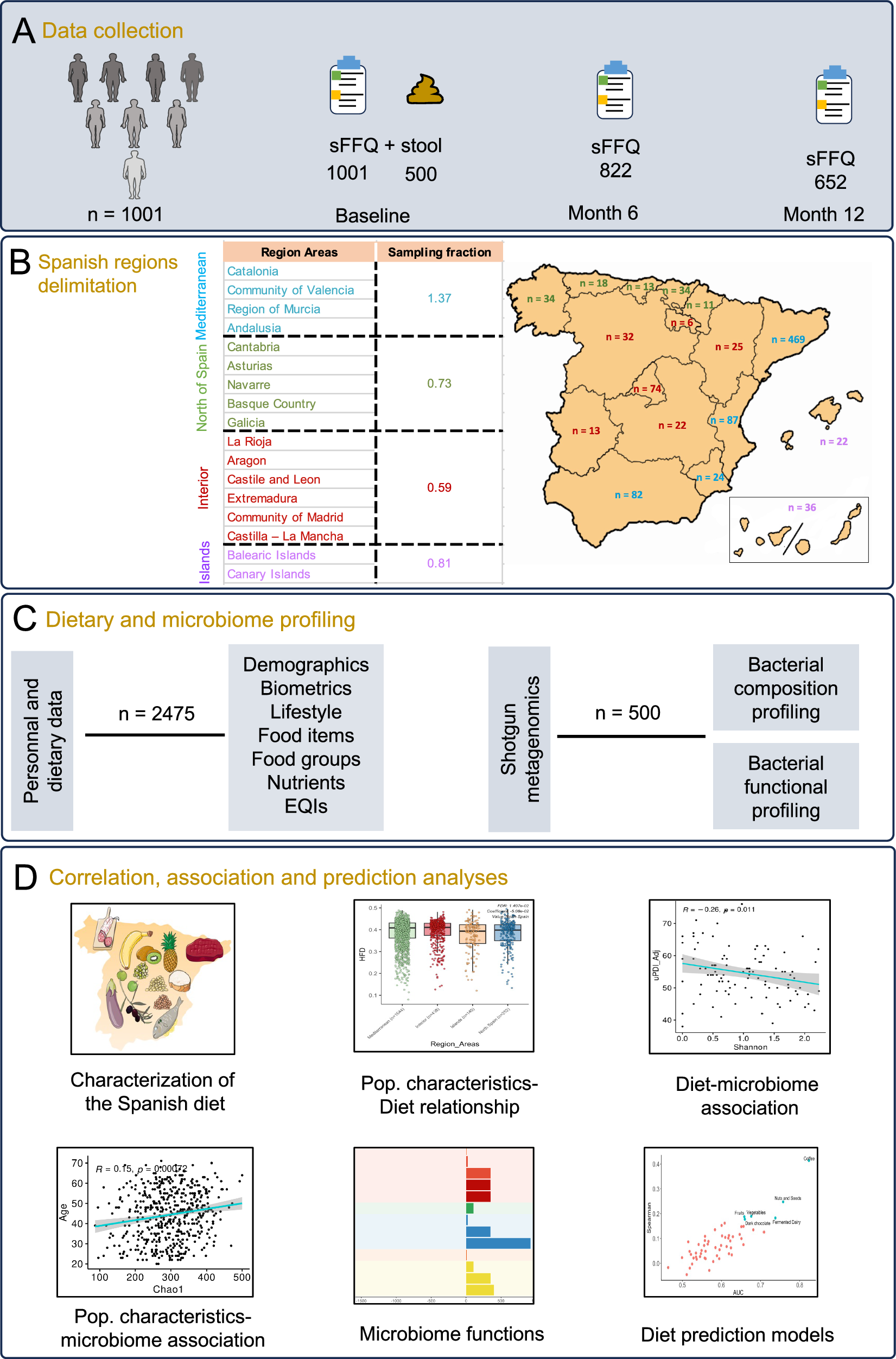
Low consumption of whole grains, fruits, and vegetables has been identified as dietary risks for non-communicable diseases such as inflammatory bowel diseases (IBDs). We explore how individual and lifestyle factors influence these risks by shaping gut microbiome composition. 1001 healthy participants from all Spanish regions provided personal and dietary data at baseline, six, and twelve months, yielding 2475 responses. Gut microbiome data were analyzed for 500 healthy participants and 321 IBD patients. Our findings reveal that adherence to national dietary guidelines—characterized by diets rich in nuts, seeds, fruits, and vegetables—was associated with greater microbial diversity and reduced IBD-related dysbiosis. Finally, we observed variations in dietary patterns and microbiome diversity and composition across age groups, genders, regions, seasons, and transit time. This study is among the first to uncover dietary intake associated with IBD-related dysbiosis and to propose an interactive website for participants (https://manichanh.vhir.org/POP/en).
The mycobiome as integral part of the gut microbiome: crucial role of symbiotic fungi in health and disease
The gut mycobiome significantly affects host health and immunity. However, most studies have focused on symbiotic bacteria in the gut microbiome, whereas less attention has been given to symbiotic fungi. Although fungi constitute only 0.01%-0.1% of the gut microbiome, their larger size and unique immunoregulatory functions make them significant. Factors like diet, antimicrobials use, and age can disrupt the fungal community, leading to dysbiosis. Fungal-bacterial-host immune interactions are critical in maintaining gut homeostasis, with fungi playing a role in mediating immune responses such as Th17 cell activation. This review highlights methods for studying gut fungi, the composition and influencing factors of the gut mycobiome, and its potential in therapeutic interventions for intestinal and hepatic diseases. We aim to provide new insights into the underexplored role of gut fungi in human health.

A combination of prebiotic short- and long-chain inulin-type fructans enhances calcium absorption and bone mineralization in young adolescents