Abstract This scientific briefing reports preliminary 5‐year recovery outcomes from COVID‐19‐associated smell loss in a nationwide cohort. Adults with confirmed COVID‐19 infection and self‐reported smell loss since January 2020 were surveyed through a longitudinal web‐based questionnaire, and a follow‐up survey was distributed to participants who had completed a prior 2‐year study. Among 419 respondents (mean age 45.7 ± 13.7 years; 79.0% female; 84.5% white), 44.2% reported complete smell recovery, 48.4% partial recovery, and 7.4% no recovery or worsening smell. Complete recovery was significantly higher in participants younger than 40 years ( P < .001) but did not differ by gender ( P = .51). Compared with 2‐year outcomes, the rate of complete recovery increased from 38.4% to 44.3%. These findings indicate that while modest additional recovery occurs beyond 2 years, olfactory dysfunction persists in more than half of patients 5 years after COVID‐19‐associated smell loss. While a much larger analysis is currently in progress, this report represents the longest‐term results published to date.
Five Year Recovery From COVID‐19 Smell Loss: Preliminary Report from a Nationwide Survey
Abstract This scientific briefing reports preliminary 5‐year recovery outcomes from COVID‐19‐associated smell loss in a nationwide cohort. Adults with confirmed COVID‐19 infection and self‐reported smell loss since January 2020 were surveyed through a longitudinal web‐based questionnaire, and a follow‐up survey was distributed to participants who had completed a prior 2‐year study. Among 419 respondents (mean age 45.7 ± 13.7 years; 79.0% female; 84.5% white), 44.2% reported complete smell recovery, 48.4% partial recovery, and 7.4% no recovery or worsening smell. Complete recovery was significantly higher in participants younger than 40 years ( P < .001) but did not differ by gender ( P = .51). Compared with 2‐year outcomes, the rate of complete recovery increased from 38.4% to 44.3%. These findings indicate that while modest additional recovery occurs beyond 2 years, olfactory dysfunction persists in more than half of patients 5 years after COVID‐19‐associated smell loss. While a much larger analysis is currently in progress, this report represents the longest‐term results published to date.

In a nationwide survey on COVID-19 smell loss, over 50% of respondents still have symptoms after five years
In a nationwide survey on COVID-19 smell loss, over 50% of respondents
The VCU-led study highlights the pervasiveness of COVID-19 smell loss as a chronic condition rather than just a temporary symptom of infection.
Even Mild Covid is Linked To Brain Damage, Scans Show - Slashdot
During at least the first few months following a coronavirus infection, even mild cases of Covid-19 are associated with subtle tissue damage and accelerated losses in brain regions tied to the sense of smell, as well as a small loss in the brain's overall volume, a new British study finds. Having mi...

Extensive study finds small drop in brain volume after COVID-19
The changes are focused in areas linked to the olfactory system.

Long-COVID recovery varies sharply by symptoms, study finds
Fewer than one in five people with multiple body systems impacted experience sustained improvement within three years of infection, a study found.

New research shows younger and middle-aged adults have worse long COVID symptoms than older adults
New study from Northwestern Medicine finds symptoms occurred regardless of mild or severe COVID-19 infection

Do Older People Have a Different Smell? (Published 2019)
Even scientists who study scent are divided.

Overnight olfactory enrichment using an odorant diffuser improves memory and modifies the uncinate fasciculus in older adults
Objective: Cognitive loss in older adults is a growing issue in our society, and there is a need to develop inexpensive, simple, effective in-home treatments. This study was conducted to explore the use of olfactory enrichment at night to improve cognitive ability in healthy older adults.Methods: Male and female older adults (N=43), age 60-85, were enrolled in the study and randomly assigned to an Olfactory Enriched or Control group. Individuals in the enriched group were exposed to 7 different odorants a week, one per night, for 2 hours, using an odorant diffuser. Individuals in the control group had the same experience with de minimis amounts of odorant. Neuropsychological assessments and fMRI scans were administered at the beginning of the study and after 6 months.Results: A statistically significant improvement was observed in the enriched group compared to the control group on the Rey Auditory Verbal Learning Test and improved functioning was observed in the left uncinate fasciculus, as assessed by mean diffusivity.Minimal olfactory enrichment administered at night produces improvements in both cognitive and neural functioning. Thus, olfactory enrichment may provide an effective and low-effort pathway to improved brain health.

Timing of Long COVID Improvement in Prospectively Followed RECOVER-Adult Participants
Background: Long COVID (LC) is widespread; however, limited information has been reported on the likelihood that symptoms remit over time. Objective: To evaluate the likelihood of improvement among persons with likely LC. Design: Prospective, multisite cohort study (RECOVER-Adult [Researching COVID to Enhance Recovery]). Setting: 83 U.S.-based sites across 33 states; Washington, DC; and Puerto Rico. Participants: 1019 persons in RECOVER-Adult with likely LC (LC Research Index [LCRI] ≥11) 12 months after first SARS-CoV-2 infection. Measurements: The primary outcome was time until 2 consecutive study visits with LCRI less than 11. Secondary outcomes were time until LCRI measure reduced 50% or more and quality of life was good or better, and LCRI decreased to 0. Unadjusted estimates of cumulative incidence and adjusted marginal cumulative incidence by age, sex, SARS-CoV-2 wave, and LC subtype were reported across all follow-up time points. Results: An estimated 36.2% (95% CI, 33.0% to 39.5%) met the primary outcome by 24 months after infection, and 50.1% (CI, 46.1% to 54.0%) met the primary outcome by 36 months. An estimated 56.4% (CI, 52.2% to 60.4%) and 26.9% (CI, 23.3% to 30.5%), respectively, met the 2 secondary outcomes by 36 months. Among persons who still reported likely LC at 18 months and 24 months after first infection, relative timing of subsequent symptom improvement was similar. Limitation: Findings in this observational cohort are interpretable in a population with prevalent likely LC and do not address causal relationships between individual characteristics and symptom improvement. Conclusion: Among persons with likely LC 12 months after initial SARS-CoV-2 infection, one half experience meaningful reductions in symptoms by 36 months, whereas a quarter experience complete remission of symptoms. These findings underscore both the potential for natural recovery and the urgent need for placebo-controlled therapeutic intervention trials. Primary Funding Source: National Institutes of Health.
Long-haul COVID-19: 1 in 5 still battle symptoms two years post-infection
Up to two years after infection, around 18% of unvaccinated individuals experience post-COVID-19 condition, highlighting higher symptom risk compared to controls. Effective interventions are crucial in mitigating the burden of this condition, and comprehensive clinical trial design considering multiple outcome measures, recovery rates, and symptom heterogeneity is essential for accurate interpretation.

People With Multisystem Long Covid See Lower Recovery, Research Finds
People whose long Covid affects multiple body systems are far less likely to improve than overall recovery estimates suggest, with fewer than one in five experiencing sustained improvement within three years of infection, according to a US study.
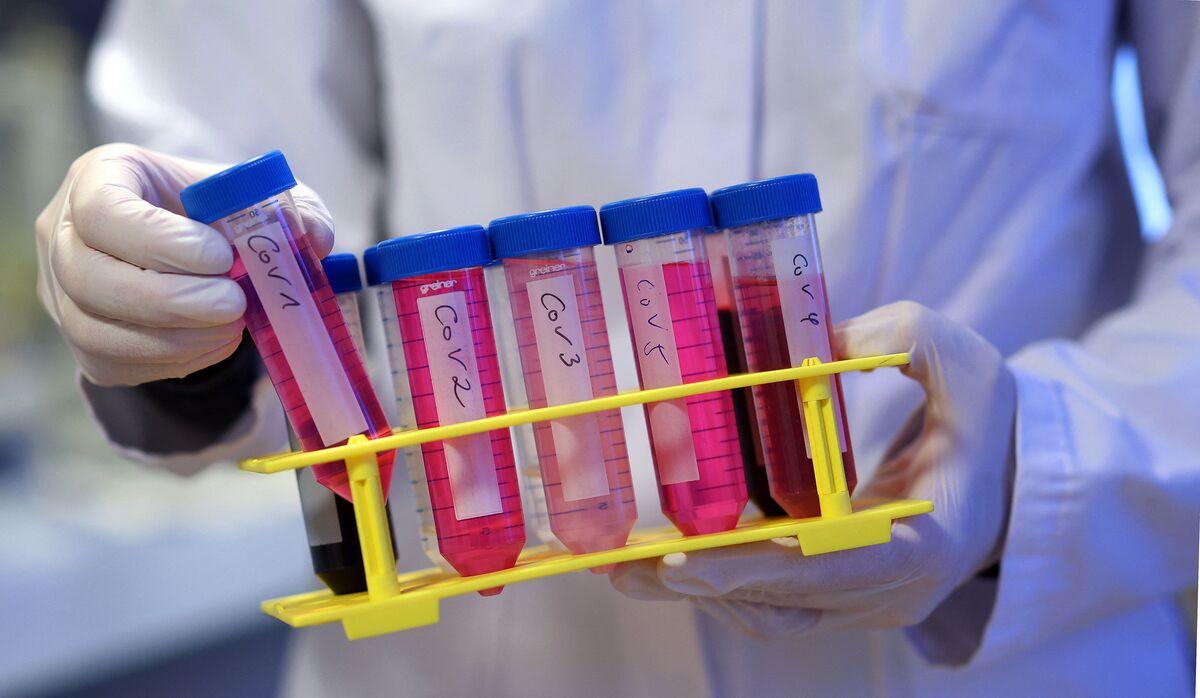
These diseases can be diagnosed by smell
It's not hard to tell when you've walked into a room, or a house, in which a person is sick with with a flu or a bad cold. There's an immediate smell of

One Day, a Machine Will Smell Whether You’re Sick (Published 2017)
Researchers are perfecting technology that sniffs out signs of disease in breath, blood and urine.

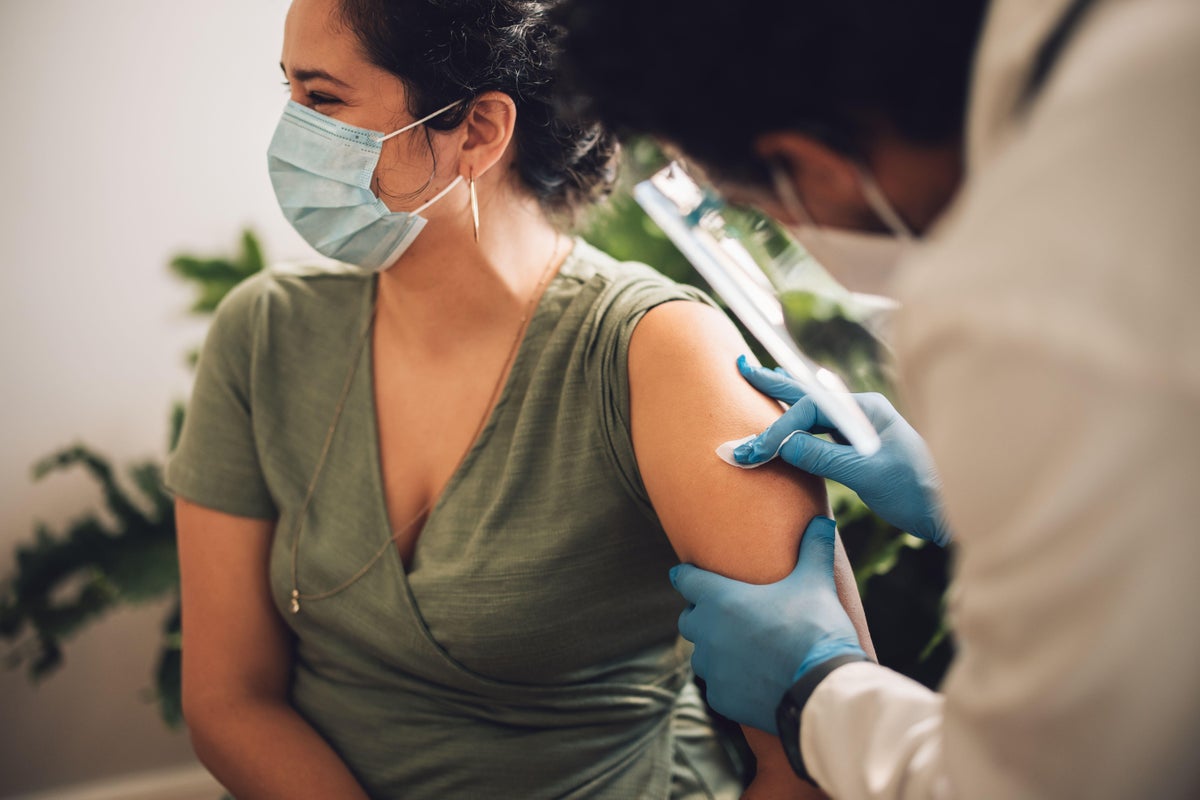
Vaccination Dramatically Lowers Long COVID Risk
Several new studies reveal that getting multiple COVID vaccine doses provides strong protection against lingering symptoms